2026 Top Crane Rigging Techniques and Innovations for Safe Lifting?
In 2026, crane rigging continues to evolve with new techniques and innovations. The global construction industry is projected to reach $10 trillion by 2025, highlighting the critical role of safe lifting practices. Effective crane rigging enhances safety and efficiency on job sites, reducing accident rates.
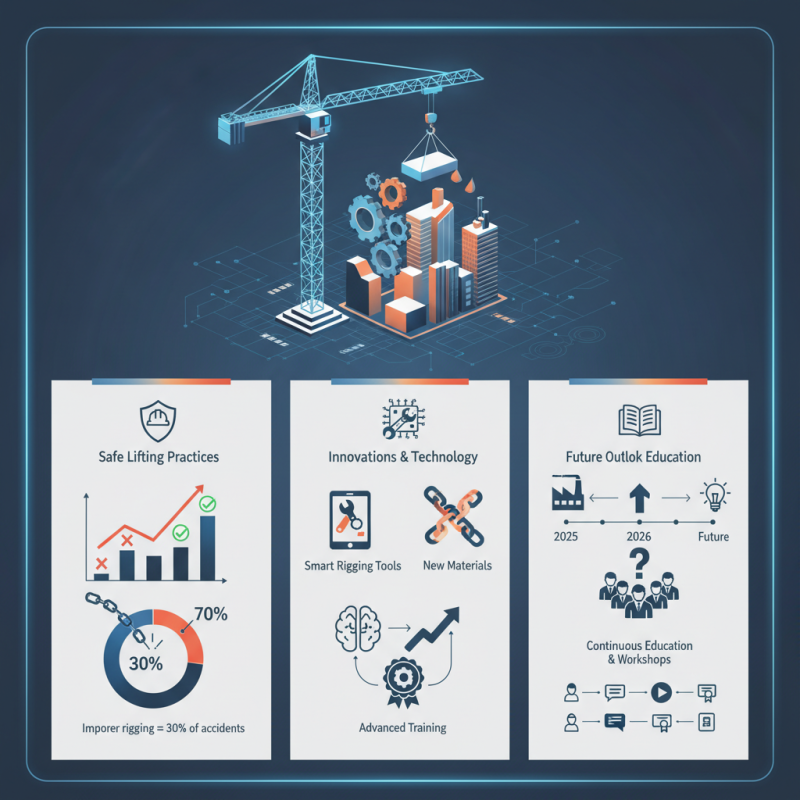
Industry reports indicate that improper rigging accounts for about 30% of crane-related accidents. This statistic underscores the need for advanced training and proper equipment. Innovations like smart rigging tools and new materials promise to enhance safety. However, challenges remain. Many workers still lack adequate training and resources.
The importance of continuous education cannot be overstated. Regular workshops and certifications are keys to improving skill sets in crane rigging. Companies must reflect on their training programs. Are they keeping pace with technological advancements? As we move forward, it is crucial to prioritize safety while embracing innovation.
Current Trends in Crane Rigging Techniques for Enhanced Safety
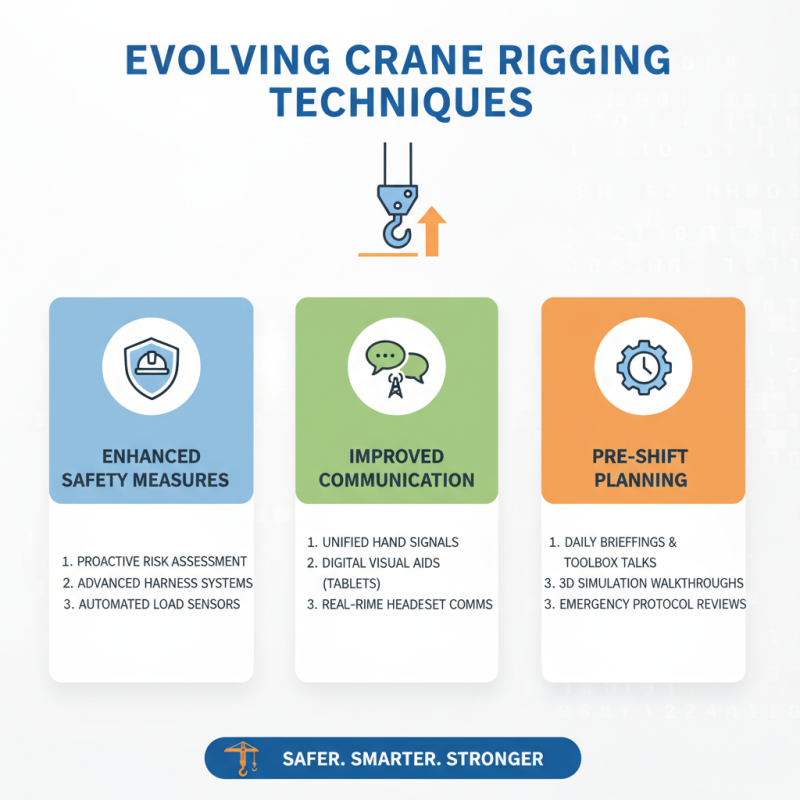
Crane rigging techniques are evolving rapidly. New safety measures are at the forefront of these changes. Operators are now focused on improved communication methods. Using signals and visual aids can reduce misunderstanding. Rigging teams often meet before shifts to discuss plans. This proactive approach helps in identifying potential risks.
One current trend is the integration of technology. Remote monitoring systems provide real-time data. This enhances decision-making during lifts. However, reliance on technology can create challenges. Not all operators are tech-savvy, leading to possible errors. There is also the issue of equipment malfunctions, which can occur without warning.
Enhanced training programs are crucial for safe lifting. Regular workshops ensure that operators are updated. Practical exercises reinforce theoretical knowledge. Yet, not all companies prioritize ongoing education. This gap can result in unsafe practices. Rigging teams need strong leadership to promote safety. Encouraging open dialogue can also improve safety culture.
Innovative Technology Integration in Crane Rigging Systems
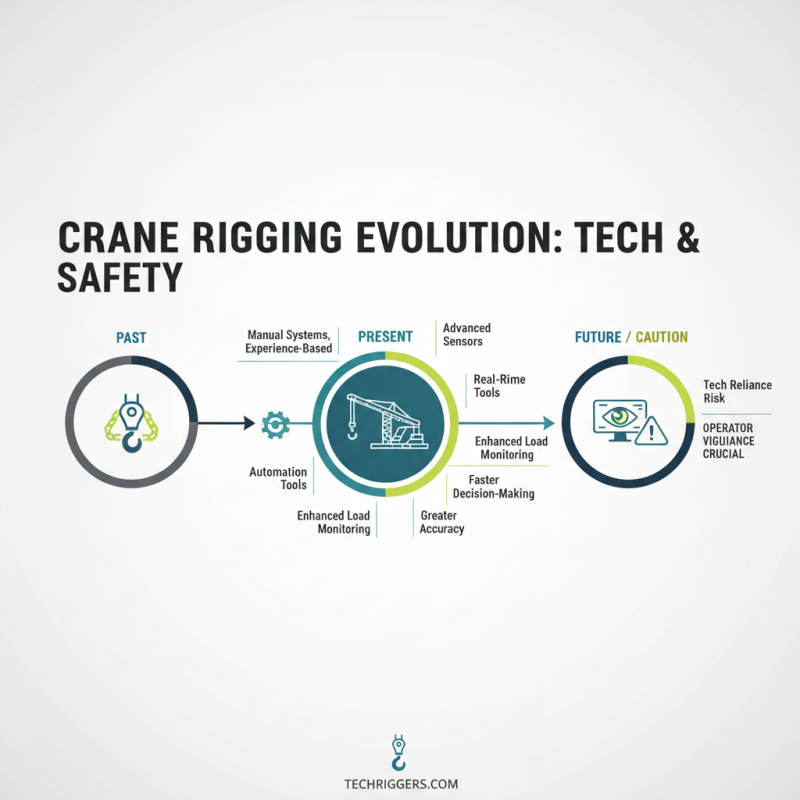
The evolution of crane rigging systems is deeply intertwined with innovative technology. Modern cranes now incorporate advanced sensors and automation tools. These technologies enhance load monitoring and provide real-time data to operators. As a result, decision-making becomes faster and more accurate. However, reliance on technology can lead to overconfidence. Operators must remain vigilant.
Additionally, integrating AI and machine learning into rigging systems opens new possibilities. Predictive analytics can forecast potential issues before they arise. Yet, the technology is not foolproof. System failures can occur unexpectedly, reminding us that human oversight is critical. Safety protocols should always accompany technological advancements.
Moreover, user-friendly interfaces are becoming standard in rigging systems. Simple designs make it easier for operators to understand complex data. However, there's a risk of oversimplifying important information. This can lead to misunderstandings and mistakes on-site. Balancing technology's benefits with the need for clear communication is essential in lifting operations.
Best Practices for Assessing Load Stability and Weight Distribution
Load stability is crucial in crane rigging. According to the Occupational Safety and Health Administration (OSHA), improper load distribution accounts for 60% of lifting accidents. It is essential to assess the load’s center of gravity before lifting. Identifying this point helps ensure the load remains balanced during the entire operation. Operators should frequently check load hooks and slings. Any signs of wear can lead to catastrophic failures.
Weight distribution plays a significant role in crane safety. A study by the National Institute for Occupational Safety and Health (NIOSH) indicates that only 40% of operators adequately consider weight distribution during lifting. Load charts should be consulted rigorously. Miscalculating weight can cause equipment to tip over. Additionally, using a crane with inadequate capacity can exacerbate safety risks.
Moreover, visual inspections are necessary. Operators must examine the lifting environment thoroughly. Slopes, uneven ground, and obstacles can affect stability. Operators often overlook these factors, leading to hazards. Effective communication among crew members is vital. Clear signals ensure everyone understands the load's stability status. Constant evaluation of techniques can improve safety on-site. This ongoing reflection is essential for developing safe lifting practices.
Training and Certification Standards for Rigging Professionals
Rigging professionals play a crucial role in ensuring safe lifting operations. Their expertise is vital in various industries, and proper training is essential. Training programs must cover both theoretical and practical aspects of rigging. This includes load calculations, equipment handling, and safety protocols. Courses should emphasize the importance of understanding different rigging techniques and lifting gear.
Certification standards for riggers are evolving. They now require more hands-on experience and skill assessments. Many organizations are updating their criteria to reflect current industry needs. This shift aims to ensure that all riggers possess the necessary skills. However, not all training programs meet these new standards. Some may lack practical components or updated content, leading to potential safety risks.
Riggers must also keep up with innovations in lifting technology. New equipment is constantly being developed, and staying informed is essential. The challenge lies in adapting quickly and effectively. Some professionals may struggle with this, leading to gaps in knowledge. Continuous education and training are vital to meet changing demands. Challenges will always exist, but vigilance can help overcome them.
Future Innovations in Crane Rigging to Improve Operational Efficiency
The future of crane rigging is full of exciting innovations. New technologies are designed to enhance operational efficiency. Smart sensors can now monitor load weights in real-time, preventing overloading. This feature not only improves safety but also decreases the likelihood of accidents.
Understanding the importance of training is crucial. Workers need to be familiar with advanced rigging techniques. Regular training sessions will help bridge the gap between tech and practical skills. Having a well-trained team can minimize errors and enhance overall productivity.
Tip: Always check equipment before use. A small oversight can lead to major consequences. Conducting daily inspections can prevent equipment failure.
Innovations like automation will soon play a bigger role. Wireless communication between cranes and operators can streamline processes. However, operators must adapt to these changes. Embracing new technology may feel challenging, but it’s essential for progress.
2026 Top Crane Rigging Techniques and Innovations for Safe Lifting
| Technique/Innovation |
Description |
Benefits |
Implementation Year |
| Smart Load Monitoring |
Use of sensors to provide real-time data on load weight and stability. |
Enhanced safety, reduced risk of overload, improved decision-making. |
2026 |
| Automated Rigging Systems |
Automation in rigging processes to enhance precision and reduce manual errors. |
Increased efficiency and reduced labor costs. |
2026 |
| Lightweight Synthetic Ropes |
High-strength synthetic ropes that replace traditional steel cables. |
Easier handling, reduced weight, and increased load capacity. |
2025 |
| Augmented Reality (AR) for Training |
Use of AR technology to simulate rigging scenarios for training purposes. |
Improved training outcomes and reduced on-site errors. |
2026 |
| Dynamic Load Control Systems |
Systems that adjust rigging parameters in real-time based on environmental changes. |
Greater adaptability and safety during lifting operations. |
2026 |