Top 10 Benefits of Using a Large Truck Crane for Your Construction Projects
In the ever-evolving world of construction, the use of heavy machinery is paramount to achieving efficiency and safety. A prominent figure in the industry, Dr. Michael Anderson, a leading expert in construction equipment, emphasizes the significance of utilizing advanced machinery. He asserts, “A large truck crane can make or break a project's success, offering unparalleled strength and mobility in challenging environments.” With a large truck crane at the forefront of construction technology, projects can not only be completed faster but also adhere to higher safety standards.
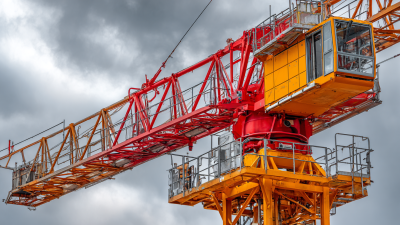
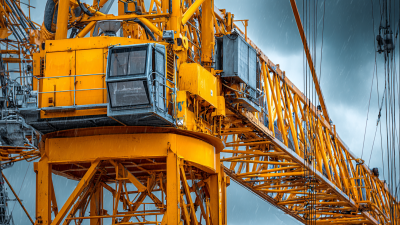
As we delve into the numerous advantages of employing a large truck crane for construction endeavors, it's essential to recognize how this powerful equipment enhances overall workflow. From lifting heavy materials to reaching incredible heights, a large truck crane provides versatility that is unmatched in the construction sector. Furthermore, its robust design ensures that even the most demanding tasks can be executed efficiently, making it a vital asset for project managers and construction teams alike.
In the following sections, we will explore the top ten benefits of integrating a large truck crane into your construction projects. These benefits, grounded in industry expertise and technological advancements, illuminate why investing in this machinery is a strategic decision for construction companies aiming for success in 2025 and beyond.
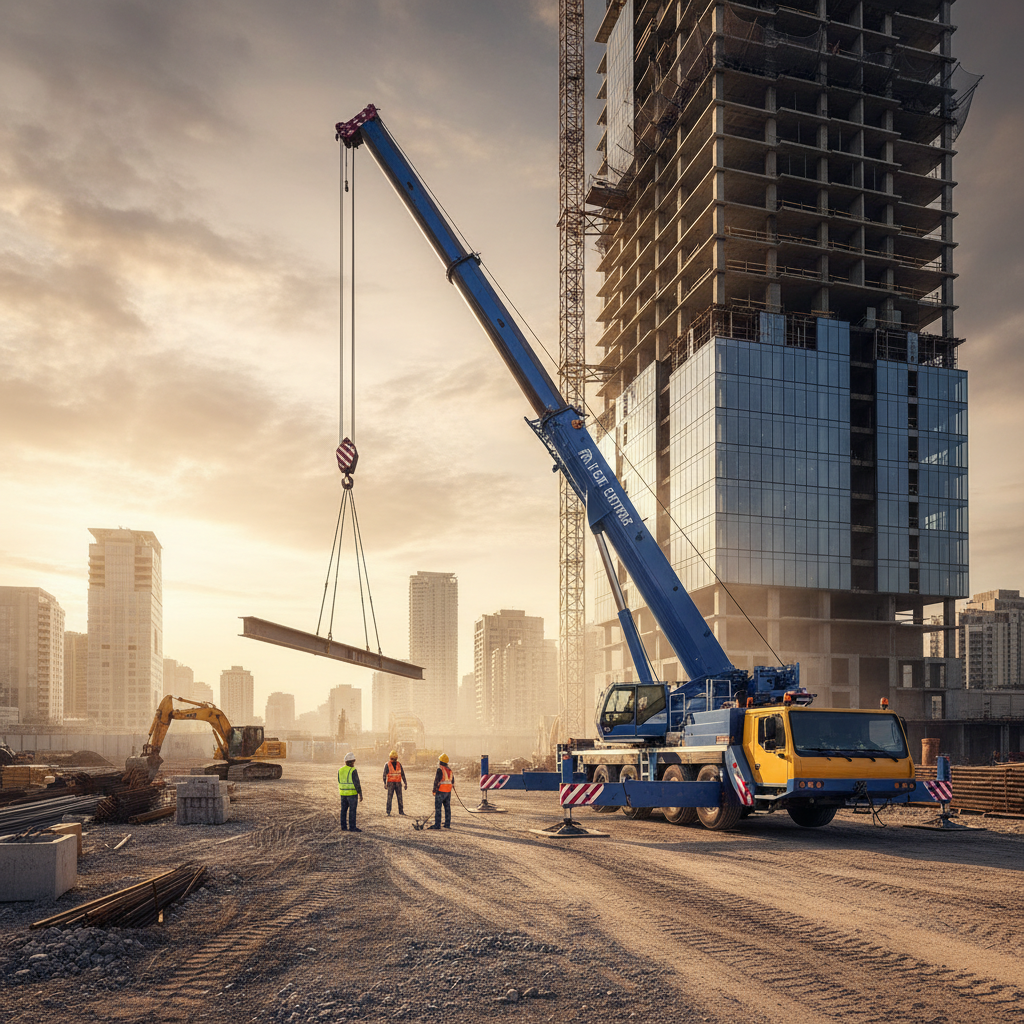
Advantages of Enhanced Lifting Capacity with Large Truck Cranes in Construction
The adoption of large truck cranes in construction projects provides significant benefits, primarily due to their enhanced lifting capacity. With the crane and hoist industry poised to grow to a valuation of $41.56 billion by 2030, the demand for advanced lifting solutions is evident. Large truck cranes boast exceptional lifting capabilities that enable them to handle heavier loads and reach greater heights, making them indispensable for complex construction tasks. Their versatility allows contractors to tackle a wider range of projects efficiently, thereby improving productivity.
Moreover, the growing emphasis on sustainability is reflected in the latest advancements in mobile cranes, including the introduction of hybrid all-terrain crane concepts. As the mobile crane market is forecasted to reach $36.1 billion by 2035—exhibiting a remarkable 6.7% CAGR between 2025 and 2035—contractors can leverage both power and reduced emissions through these innovative solutions. By utilizing large truck cranes, construction firms not only optimize performance but also align with modern environmental standards, reinforcing their commitment to sustainable practices.
Efficiency Gains: How Large Truck Cranes Reduce Project Timelines by Up to 30%
When it comes to construction projects, time is money, and utilizing a large truck crane can significantly reduce project timelines by up to 30%. These cranes allow for the swift and efficient movement of heavy materials, enabling construction teams to complete tasks that would traditionally take days or even weeks in a matter of hours. With the ability to lift and place large components with precision, project delays due to material handling are minimized, leading to faster completion rates and enhanced productivity on-site.
Tip: To maximize the efficiency gains from using a large truck crane, ensure proper planning and coordination among your team. Schedule crane operations during off-peak hours to avoid congestion and allow for a smooth workflow. Furthermore, conduct thorough training for all personnel involved in crane operations to ensure safety and efficiency.
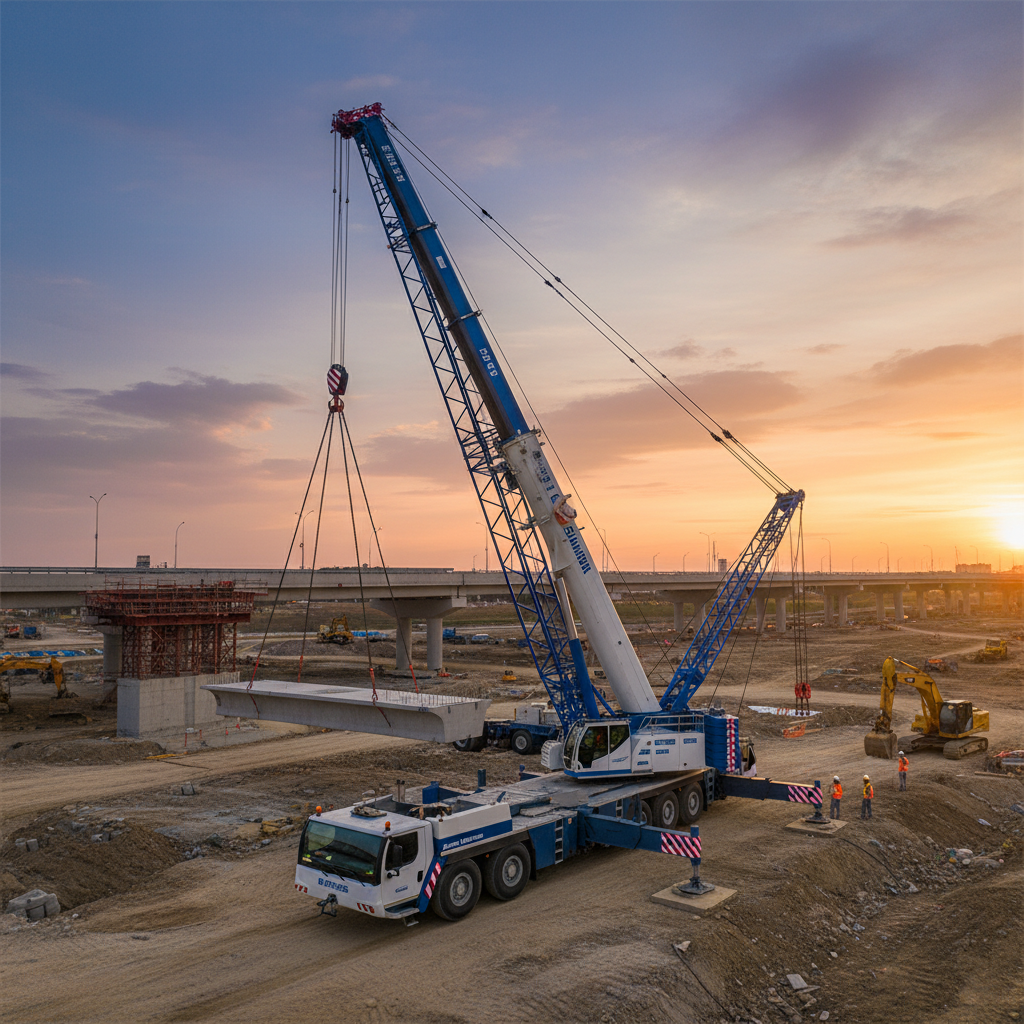
Integrating large truck cranes into your construction strategy also enhances flexibility. Whether you are lifting steel beams, precast slabs, or other heavy materials, these cranes can be adapted for various tasks, which keeps the project moving forward despite changes in operational needs. This adaptability not only streamlines processes but also fosters a more agile construction environment.
Tip: Regular maintenance and inspections prior to crane operations can prevent any potential delays caused by equipment failure. Keeping a well-maintained fleet will support continuous operation and contribute further to the overall efficiency of your construction projects.
Safety Improvements: Integrated Technologies in Large Truck Cranes that Reduce Workplace Accidents
Modern construction sites often rely on large truck cranes for their heavy lifting needs, and one of the standout features of these machines is the integrated safety technologies designed to minimize workplace accidents. Large truck cranes are now equipped with advanced systems such as load monitoring, anti-collision sensors, and automated positioning systems. These technologies not only enhance the safety of the operators but also protect those working in proximity to the crane, significantly reducing the risk of injuries on site.
Tips for improving safety with large truck cranes include ensuring all operators are trained in the latest safety protocols and familiar with the crane's integrated technologies. Regular maintenance checks should also be conducted to ensure that safety systems are fully operational. Additionally, implementing a clear communication plan on-site can help coordinate activities around the crane's operation, further safeguarding workers.
Furthermore, incorporating visible signage and marked zones can enhance awareness of crane movements and areas under the crane's operation. Utilizing these strategies in conjunction with advanced crane technology creates a much safer working environment, allowing construction projects to proceed with confidence and efficiency.
Cost-Effectiveness of Large Truck Cranes: Maximizing ROI in Heavy Lifting Operations
The cost-effectiveness of large truck cranes plays a pivotal role in maximizing return on investment (ROI) in heavy lifting operations. According to the "Construction Equipment Market Analysis" report by Mordor Intelligence, the global crane market is expected to grow by approximately 5.4% between 2021 and 2026. This growth indicates the increasing reliance on advanced lifting machinery such as large truck cranes, which offer significant savings in labor and time through their enhanced lifting capacities.
Large truck cranes not only streamline operations but also reduce costs associated with equipment rental and maintenance. A study by the American Rental Association highlighted that utilizing such cranes can decrease project duration by up to 30%, translating into a substantial reduction in overall project costs. Furthermore, the advanced features of modern large truck cranes, including improved operational efficiency and automation, lead to fewer man-hours required on-site, lowering labor expenses further. Thus, investing in large truck cranes can yield impressive financial benefits, making them an integral component of successful construction projects.
Versatility of Large Truck Cranes: Adapting to Various Construction Scenarios and Challenges
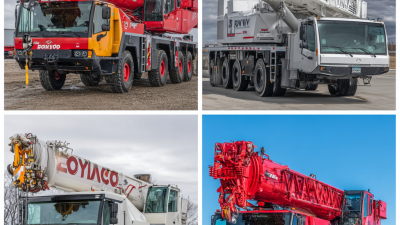
Large truck cranes are the unsung heroes of the construction industry, particularly due to their versatility in adapting to various scenarios and challenges. With the ability to maneuver in tight spaces and accommodate different load capacities, they prove invaluable for various tasks such as lifting heavy materials, placing structural components, or even assisting in demolition projects. Their all-terrain capabilities allow them to operate across diverse landscapes, making them suitable for both urban settings and more rugged conditions.
When utilizing a large truck crane, it's crucial to assess the site conditions and load requirements before beginning your project. Always check the crane's specifications and ensure it can handle the weight and height requirements of the job. Additionally, consider scheduling lifts for early morning or late afternoon when winds are typically calmer, as this will enhance safety and efficiency.
Tip: Regular maintenance checks on the crane can prevent unexpected breakdowns and ensure optimal performance. Keeping an eye on wear and tear, particularly on cables and hydraulic systems, will safeguard your project timeline and budget. Being proactive in planning and executing crane operations will not only enhance safety but also maximize productivity on the job site.
Top 10 Benefits of Using a Large Truck Crane for Your Construction Projects
| Benefit |
Description |
Application Scenario |
| High Lifting Capacity |
Can lift heavy materials up to several tons. |
Building high-rise structures or lifting steel beams. |
| Mobility |
Easily transportable to different job sites. |
Construction projects spread over multiple locations. |
| Versatility |
Adaptable for different types of lifts and tasks. |
Can be used for lifting, hoisting, and moving materials. |
| Increased Efficiency |
Reduces time taken to complete lifting tasks. |
High productivity on tight schedules. |
| Easy Operation |
Operated through advanced controls for precision. |
Precision lifting in complex construction environments. |
| Safety Features |
Equipped with safety technology to prevent accidents. |
Critical infrastructure projects where safety is paramount. |
| Remote Operation |
Can be operated remotely ensuring operator safety. |
Hazardous locations where operator exposure is risky. |
| Cost-Effective |
Reduces labor costs and time delays associated with lifting. |
Large projects with budget constraints. |
| Improved Access |
Can reach difficult locations that other equipment cannot. |
Construction in urban settings with limited space. |
| Durability |
Robust construction to withstand harsh job site conditions. |
Long-term projects with adverse weather conditions. |