Top 10 Benefits of Using a Truck with a Crane for Your Business Needs
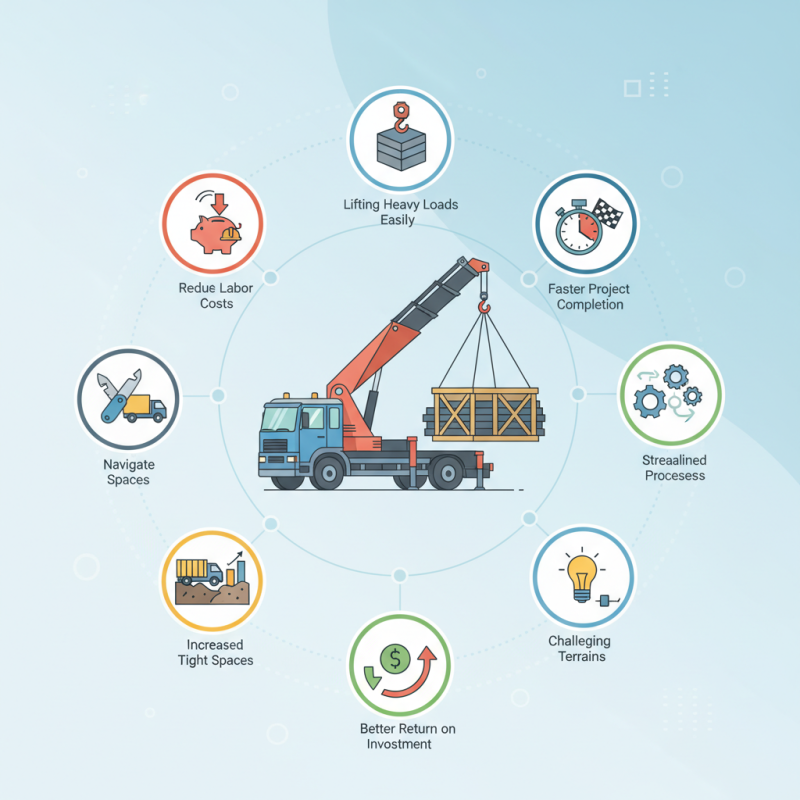
In today's fast-paced business environment, efficiency is key. A truck with a crane can transform your operations. Imagine lifting heavy loads with ease, reducing labor costs, and speeding up projects. Such vehicles not only carry goods but also perform tasks that often require multiple machines.
This versatility comes with unique advantages. With a truck with a crane, businesses can navigate tight spaces and challenging terrains. It streamlines processes, allowing you to complete jobs faster than ever. However, there are challenges too. Maintenance can be an ongoing concern. Operators must be properly trained to ensure safety and efficiency.
Investing in a truck with a crane is not without its complexities. There are choices to make and costs to consider. Yet, the benefits often outweigh the drawbacks. Think about how much easier your projects could become with this powerhouse at your side. Consider the balance of investment versus return in your operational strategy.
Advantages of Enhanced Load Capacity with Crane Trucks
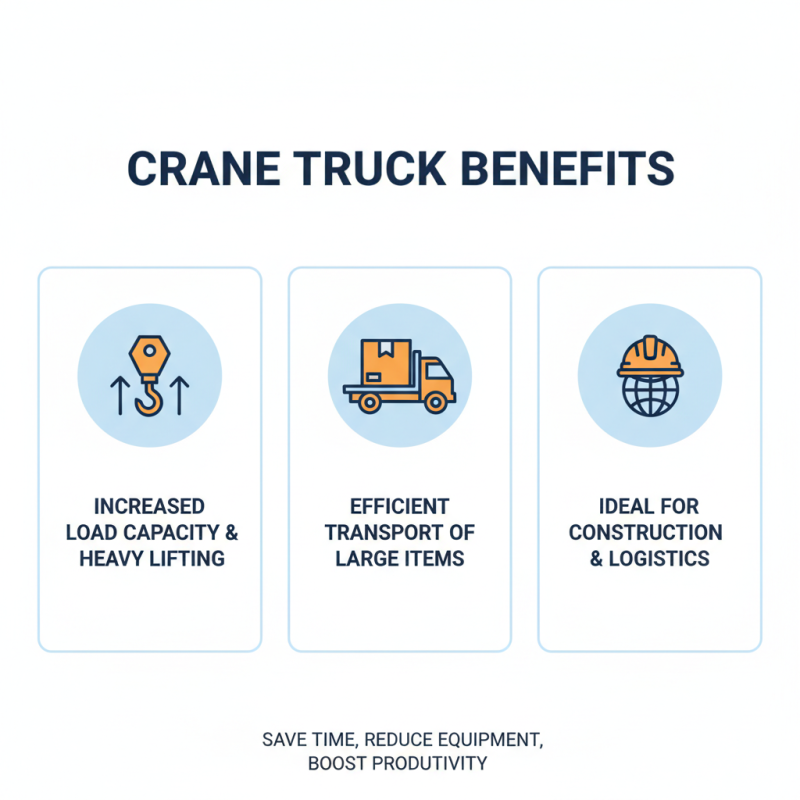
A crane truck can significantly enhance your business's load capacity. The combination of a truck and crane allows for heavy lifting and transporting large items with ease. This can be particularly beneficial in construction and logistics. You can move materials that would normally require multiple trips or additional equipment.
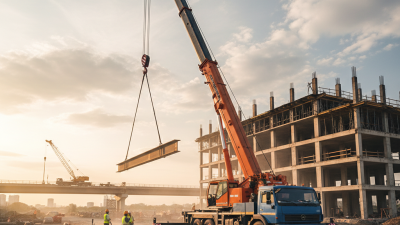
Imagine needing to lift steel beams onto a high-rise building. A crane truck can do this in one swift motion. This saves time and reduces labor costs, which is crucial for any business. However, there are challenges. Sometimes, operators may not be fully trained, leading to potential hazards. Mistakes can happen, and it's important to reflect on safety protocols.
The flexibility of a crane truck is another advantage. It can be used in various industries, from construction to shipping. However, this versatility can also lead to overloading. Operators must always know their truck's limits. Otherwise, the benefits of enhanced load capacity can quickly turn into liabilities. Proper training and awareness can improve operations and safety.
Improved Efficiency in Material Handling and Transportation
Using a truck with a crane can significantly enhance efficiency in material handling and transportation. These versatile vehicles are designed to lift, move, and transport goods with ease. This means your team spends less time on transportation tasks and can focus on other important areas of the business. Imagine loading heavy equipment directly onto the truck in one smooth motion. This not only saves time but also reduces the risk of workplace injuries.
When operating a truck with a crane, safety should be a priority. Always check the equipment before use. Ensure that everything is in working order. It’s wise to train your team on best practices for load handling. Misjudging load limits can lead to accidents. Awareness is key.
Consider the logistics of your operations. Using a truck with a crane can open new avenues for transporting materials. It's beneficial for construction sites, delivery services, and other industries. However, keep in mind that it requires regular maintenance. Ignoring this can lead to mechanical failures, and those can be costly. Reflect on your current needs and see if this investment aligns with your long-term goals.
Top 10 Benefits of Using a Truck with a Crane for Your Business Needs
Versatility for Various Industries and Applications
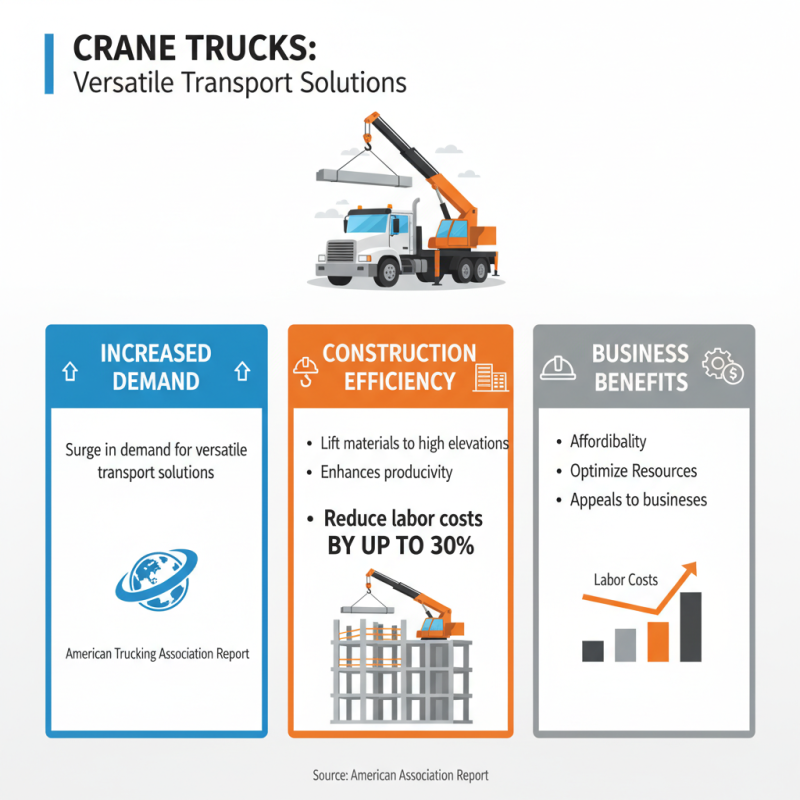
The use of trucks equipped with cranes has become increasingly important across various sectors. According to a recent report by the American Trucking Association, the demand for versatile transport solutions has surged. In construction, these trucks can efficiently lift materials to high elevations, enhancing productivity. Reports show that projects utilizing cranes can reduce labor costs by up to 30%. This affordability appeals to businesses looking to optimize resources.
In the logistics industry, the ability to load and unload heavy items on-site saves time. A study from the Transportation Research Board highlighted a decrease in freight handling time by 40% with crane-equipped trucks. Moreover, emergency services often rely on these trucks for rescue operations. Their versatility allows them to navigate tricky urban environments, providing swift responses to crises. However, some operators note that the complex mechanics of cranes can lead to maintenance challenges if not properly managed.
These multifaceted vehicles do not come without challenges. There can be safety risks if operators lack sufficient training. Misjudgment during operation can lead to equipment failure or accidents. Investing in training is essential to mitigate these risks. It appears that while the benefits are significant, businesses must carefully address the operational complexities that come with crane trucks.
Cost Savings through Reduced Labor and Time
Using a truck equipped with a crane can significantly cut costs for businesses. A report by the American Trucking Association indicates that using specialized trucks can reduce labor costs by up to 30%. This is due to the ability to complete tasks with fewer workers. For lifting and moving heavy objects, this efficiency is crucial. With a crane, one operator can do what usually requires three or four workers. This reduction in workforce not only saves on wages but also on training and insurance costs.
Time efficiency is another critical factor. According to a study from the National Association of Manufacturers, businesses using cranes see a 25% decrease in project completion times. Projects that once took days can now be finished in hours. This speed allows companies to take on more work. Additionally, it improves client satisfaction. Delivery speed is vital in today’s competitive market. However, this does require an upfront investment, and companies must ensure proper maintenance to avoid downtime.
While there are clear benefits, some businesses hesitate to switch. Investing in new equipment and training staff can feel daunting. It’s essential to weigh those concerns against the potential growth opportunities. With proper analysis, the long-term savings and enhanced productivity provided by a truck with a crane can be undeniable.
Top 10 Benefits of Using a Truck with a Crane for Your Business Needs - Cost Savings through Reduced Labor and Time
| Benefit |
Description |
Estimated Cost Savings (%) |
Time Efficiency (Hours Saved) |
| Reduced Labor Costs |
Less manpower needed for material handling. |
30% |
2-3 hours |
| Increased Safety |
Minimized risk of injuries during lifting operations. |
15% |
1-2 hours |
| Higher Productivity |
Faster loading and unloading processes. |
25% |
3-4 hours |
| Versatile Operations |
Can handle various types of loads and equipment. |
20% |
2 hours |
| Reduced Downtime |
Less waiting time for crane services. |
40% |
1 hour |
| Improved Workflow |
Streamlined logistics and handling processes. |
18% |
2 hours |
| Easier Permits and Regulations |
Simplified compliance with local regulations. |
10% |
1 hour |
| Access to Tight Spaces |
Can operate in areas where large cranes cannot. |
15% |
2 hours |
| Capable of Remote Operations |
Can be operated from a distance, minimizing on-site risks. |
20% |
1 hour |
| Cost-Effective Rental Options |
Lower costs compared to hiring large cranes. |
35% |
1-2 hours |
Safety Features and Regulations for Crane Truck Usage
Using crane trucks comes with several safety features essential for various industries. According to a report by the National Institute for Occupational Safety and Health, nearly 65% of all crane-related accidents could be prevented with proper training and adherence to regulations. Companies that prioritize safety training often see significant reductions in incidents, often up to 50%. This emphasizes the importance of using cranes, not just for their versatility but for their capacity to enhance workplace safety.
Regulations governing crane truck usage are critical. OSHA mandates that operators must be certified, ensuring they understand weight limits and load stability. Overloading is a common mistake that can lead to catastrophic failures. Proper inspection protocols should take place before each operation, as studies indicate that 30% of accidents occur due to equipment malfunction. Regular maintenance and compliance with safety checks are not just best practices; they are legal requirements that can shield businesses from liability. However, some companies still overlook these aspects, reflecting a gap in operational safety culture that needs to be addressed.