Top 10 Benefits of Using Gooseneck Trailers for Towing?
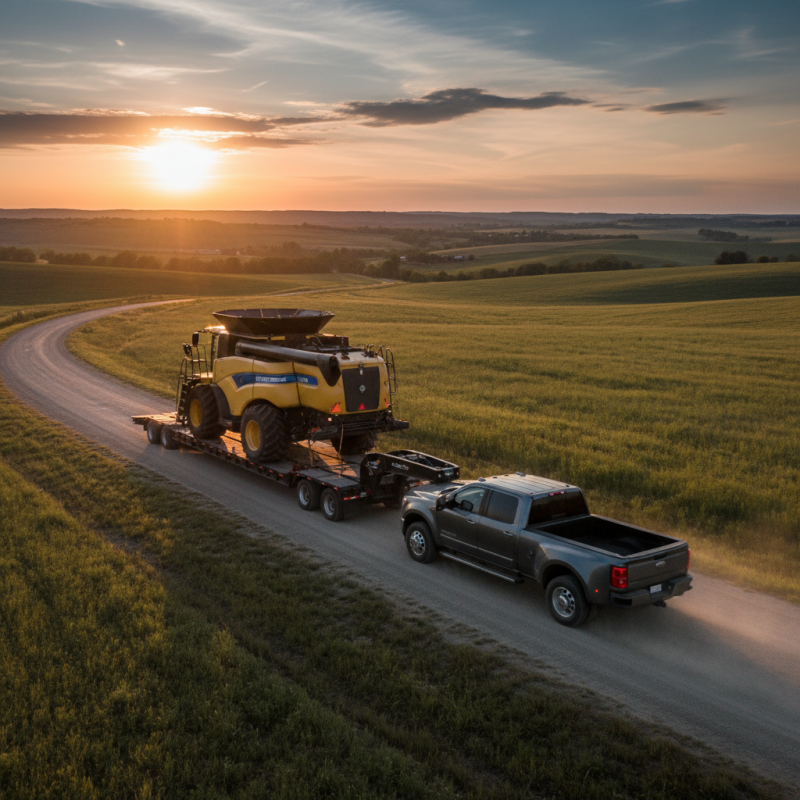
The Gooseneck Trailer stands out in the world of towing. Its unique design allows for enhanced stability and control. This makes it ideal for transporting heavy loads, whether agricultural equipment or bulky construction materials.
Many users appreciate the ability to maneuver tightly in various terrains. The weight distribution is more balanced compared to traditional trailers. This feature can significantly reduce the risk of swaying during a drive. However, some people may find it challenging to hook up and unhook the trailer, which could be a learning curve.
The advantages of using a Gooseneck Trailer make it a popular choice among those who tow frequently. Yet, it is essential to reflect on your specific needs and the capacity you require. Depending on the load, a standard trailer might sometimes suffice. Understanding these nuances can help you make a better-informed decision.
Advantages of Gooseneck Trailers Over Conventional Trailers
Gooseneck trailers offer significant advantages over conventional trailers. One key benefit is the enhanced stability they provide. The design allows for a more balanced weight distribution, which is crucial when towing heavy loads. Research shows that this setup reduces swaying by up to 30%, making for a safer towing experience.
Another major advantage is the increased capacity. Gooseneck trailers can typically handle higher weights than traditional trailers. For instance, many gooseneck models have a weight capacity of around 20,000 pounds, while most bumper-pull trailers max out around 10,000 pounds. This makes gooseneck trailers a preferred choice for hauling large equipment or livestock.
The ease of maneuverability is also notable. Gooseneck trailers pivot over the axle of the tow vehicle, allowing for tighter turns compared to standard trailers. However, not everyone finds this intuitive. Some users express difficulty with backing up these trailers, indicating that practice is necessary. Adapting to their unique handling characteristics can be a challenge for new owners, but once mastered, they offer unmatched versatility for various towing needs.
Enhanced Stability During Towing with Gooseneck Trailers
Gooseneck trailers offer enhanced stability during towing, a crucial benefit for safe transport. The design allows for better weight distribution. This lowers the risk of swaying or jackknifing. With a gooseneck hitch, the trailer is attached directly over the truck's rear axle. This connection improves handling, especially on uneven terrains.
Tips: Always ensure your gooseneck hitch is properly installed. A secure connection can prevent accidents. Regular maintenance of the hitch and trailer can also enhance safety.
Load placement impacts stability. Distributing weight to the front helps maintain control. Overloading the rear can lead to swaying or losing traction. Pay attention to the load's center of gravity. Even small shifts can make a big difference. Careful planning is essential for a successful towing experience.
Increased Towing Capacity and Load Weight Limits
Gooseneck trailers offer significant advantages, especially in towing capacity and load weight limits. They can typically handle heavier loads than standard bumper-pull trailers. Industry studies show that gooseneck trailers can support loads ranging from 15,000 to 30,000 pounds. This capacity is particularly beneficial for transporting large equipment or livestock.
Their design allows for better weight distribution. This means less strain on the towing vehicle. According to the National Association of Trailer Manufacturers, better weight distribution can reduce the risk of swaying or fishtailing, enhancing safety. Properly loaded goosenecks can maintain stability even on rough terrain. However, this balance requires careful loading. Improper loading can lead to dangerous situations.
Despite their advantages, some may find them challenging to use. Maneuvering a gooseneck trailer requires practice. Tight spaces can make backing up tricky. Additionally, the hitch installation can be a cumbersome process. Some users report initial frustration but eventually appreciate the improved towing dynamics. Understanding these challenges is crucial for potential buyers. Consider the trade-offs before making a decision.
Versatility of Gooseneck Trailers for Various Cargo Types
Gooseneck trailers offer incredible versatility for transporting various types of cargo. They are ideal for handling heavy and oversized loads. Whether it’s livestock, equipment, or construction materials, gooseneck trailers excel in capacity. The design allows for a stable ride, reducing the risk of cargo shifting during transport. This stability is crucial when navigating rough terrain or tight corners.
One interesting aspect is the ease of loading. Many models feature a lower deck height, making it easier for forklifts or other machinery to load and unload cargo. This can save time and enhance efficiency, especially on busy job sites. However, some users may find the maneuverability challenging in tight spaces due to the trailer’s length. It’s essential to plan routes carefully.
With configurations available for specific needs, users can equip gooseneck trailers with features like ramps or side panels. This adaptability can be a game changer. Still, it’s important to consider the trailer’s weight and the vehicle’s towing capacity. Miscalculating these factors can lead to issues on the road. Reflecting on individual needs is key to maximizing the benefits of gooseneck trailers.
Improved Maneuverability in Tight Spaces with Gooseneck Trailers
Gooseneck trailers are known for their ability to improve maneuverability in tight spaces. Their unique hitch design allows for a tighter turning radius compared to standard trailers. This makes navigating narrow roads or crowded job sites much easier. With the hitch located over the truck’s bed, you gain better control. Parking in compact areas becomes less stressful.
When driving a gooseneck trailer, consider your blind spots. They can be larger due to the trailer’s length. Regularly check mirrors and use a spotter if necessary. Make sure to practice in open spaces before hitting busy roads. This can help build confidence.
Another tip is to familiarize yourself with your trailer's dimensions. Know how far your trailer extends past your truck. This knowledge is crucial when making sharp turns. Anticipate your trailer’s movement; it may not track exactly where your truck goes. You might find the challenges frustrating at first. With practice, you’ll improve your skills and minimize mistakes on the road.