Which Galvanized Corrugated Steel Is Best in 2026?
Which Galvanized Corrugated Steel Is Best in 2026? The answer depends on the building, climate, and installation—not just the sheet’s shine. A panel that performs well on a dry farm shed may corrode sooner near saltwater or in a livestock building. Small details matter: coating weight, base-metal thickness, corrugation profile, fasteners, and drainage.
The World Steel Association’s World Steel in Figures 2025 reports approximately 1.88 billion metric tons of crude steel production in 2024. That figure shows the scale of the industry, but it does not rank roofing products. For a more practical comparison, this guide draws on material specifications such as ASTM A653/A653M for zinc-coated steel sheet, alongside manufacturer data and project conditions. Standards help define the material. They cannot replace careful inspection of a finished panel.
There is no universal winner. Not quite. A thicker sheet is not automatically the best value if its coating, profile, or installation is poorly matched to the site. This overview compares common options by corrosion protection, strength, durability, and cost, while noting where published data may not reflect real-world exposure. Readers should verify current product specifications before buying, especially when comparing coating designations or thickness measurements. Even a small difference in drainage can matter. The goal is a defensible choice of Galvanized Corrugated Steel for 2026—not a promise that one product suits every roof.
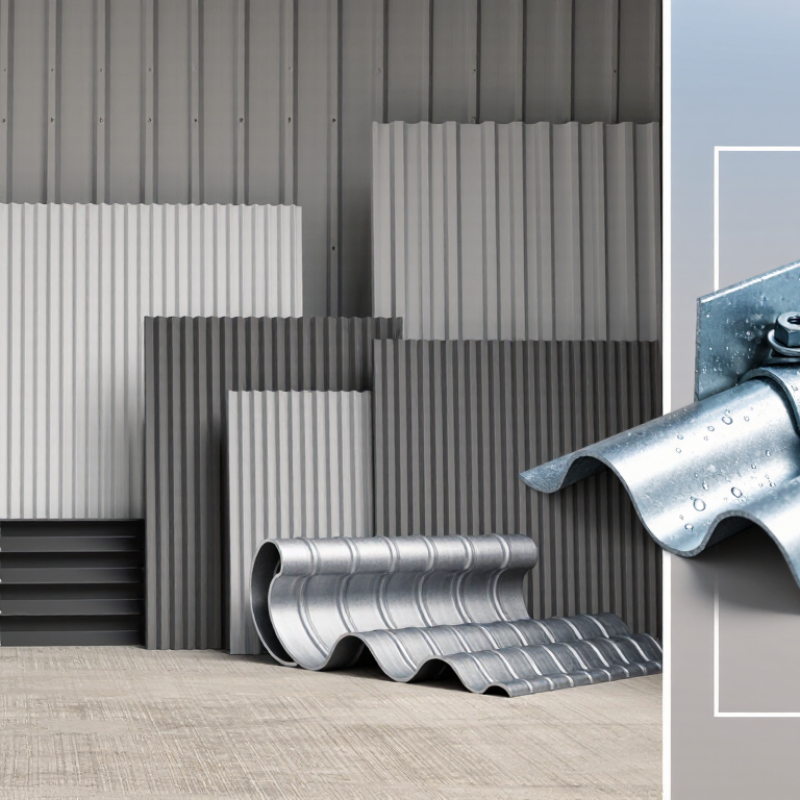
What Galvanized Corrugated Steel Is and How It Is Made
Galvanized corrugated steel is carbon-steel sheet coated with zinc, then shaped into ridges and valleys. The profile stiffens the sheet, while zinc slows corrosion. In most roofing production, the flat strip is galvanized before roll-forming. The strip is cleaned, pickled to remove scale, rinsed, and passed through a molten-zinc bath near 450°C. Cooling leaves a zinc coating bonded to the steel, with thin iron-zinc alloy layers beneath the surface. That coating is sacrificial: zinc corrodes preferentially when moisture reaches the steel.
Small detail. It matters.
The USGS 2025 Mineral Commodity Summaries estimates 2024 global zinc mine production at about 12 million metric tons. This figure describes zinc supply, not roofing demand, but it shows the scale of the metal used in protective coatings. For a measurable specification, ASTM A653 G90 calls for a total coating mass of 0.90 ounces per square foot across both sides, about 275 grams per square meter. Yet coating mass alone cannot predict service life. Salt, standing water, cut edges, and damaged areas all affect performance.
There is a catch: corrugation improves stiffness, but water trapped in laps can still undermine a sound coating.
Which Steel Grades and Zinc Coatings Are Available in 2026
Which Galvanized Corrugated Steel Is Best in 2026?
Which Steel Grades and Zinc Coatings Are Available in 2026
For corrugated sheet, “best” depends on the roof profile, forming process, and exposure—not just the highest grade. ASTM A653/A653M covers galvanized sheet grades including Commercial Steel, Forming Steel, and Structural Steel. Commercial Steel suits general forming; Structural Steel offers specified strength levels. Check the supplier’s mill test certificate for the actual grade and yield strength. A label alone is not enough.
Zinc coating is commonly specified by coating designation. Under ASTM A653/A653M, G60 represents a total coating mass of about 183 g/m² across both sides; G90 is about 275 g/m². GalvInfo’s technical guidance on zinc-coated sheet explains why coating mass matters: more zinc generally provides a larger corrosion-protection reserve, though cut edges and persistent moisture still need attention.
That matters. A sheltered agricultural building may not need the same coating as a coastal roof exposed to salt spray. Even G90 is not a cure-all.
Compare the site conditions, sheet thickness, drainage, and maintenance plan before choosing; real installations can be less forgiving than a catalogue example.
How Strength, Corrosion Resistance, and Service Life Compare
The best galvanized corrugated steel in 2026 depends on the job, not a single “strongest” specification. Thicker steel generally resists denting and bending better, while the corrugation profile adds stiffness. Check the sheet’s base-metal thickness and coating details, rather than judging by appearance alone. A panel can look substantial and still be too light for its intended span or exposure.
Corrosion resistance depends on the zinc coating, cut edges, trapped moisture, and surrounding conditions. Coastal air, chemical fumes, or persistent condensation can shorten service life. Good drainage and ventilation help; so does prompt attention to scratches and damaged edges. Service life varies with installation and maintenance, so fixed lifespan claims deserve caution. Details matter. I would not choose the heaviest sheet automatically: it may add cost and weight without solving the actual exposure problem.
Tips: Match sheet thickness and profile to the support spacing and expected loads. Ask for documented coating specifications, and inspect both faces and cut edges. Keep panels clear of standing water and debris. If the site is unusually wet or corrosive, compare coating options with a qualified supplier before ordering. No coating lasts forever.
Which Galvanized Corrugated Steel Fits Each Application
Which Galvanized Corrugated Steel Is Best in 2026?
The best sheet depends on where it will work, not just how it looks. For a roof, compare base-metal thickness, corrugation depth, and the support spacing specified for the project. Deeper profiles can provide greater stiffness, but they still need suitable purlins and fastening. Details matter.
For exterior walls on sheds or workshops, lighter profiles may be adequate when the framing and local wind conditions support them. Check that laps face away from prevailing weather, and use compatible fasteners with sound washers. In barns or other buildings with persistent moisture or corrosive fumes, ordinary galvanized steel may not offer enough service life; verify coating suitability for the actual exposure.
For covered storage or temporary partitions, appearance and easy installation may matter more than maximum strength. In coastal or frequently wet locations, ask for coating details and consider whether a more corrosion-resistant system is warranted. I would not choose by coating label alone: edges, scratches, trapped water, and maintenance affect performance too. A small sample can help assess profile fit, but it cannot replace structural checks or exposure-specific advice.
How to Select the Best Product for Your Site and Budget
Which Galvanized Corrugated Steel Is Best in 2026?
Start with the site, not the price per sheet. A coastal roof, a damp agricultural building, and a dry inland shed face different corrosion conditions. The American Galvanizers Association’s time-to-first-maintenance guidance compares coating thickness across rural, industrial, and marine atmospheres. Treat its estimates as context, not a direct service-life promise for every corrugated panel. Forming, cut edges, standing water, and maintenance can change the outcome.
Check the coating designation on the specification. ASTM A653/A653M defines G90 as a minimum 0.90 oz/ft² coating mass across both sheet faces, about 275 g/m² total—not 0.90 oz/ft² per face. That matters. For a tight budget, compare G90 with heavier available coatings, then ask whether the extra upfront cost suits your exposure and expected service period. A thicker coating may be poor value in a sheltered site, yet false economy near salt spray.
Look closely at the roof, too. A shallow pitch, blocked gutters, or damp debris can keep water against the steel. Choose a profile that drains well and suits the support spacing; confirm sheet thickness, coating mass, and compatible fasteners in the supplier’s technical documents. I would not choose on coating alone. It is easy to overlook edge damage during installation, and that small detail deserves a site-specific inspection.


