Choosing a 350 ton hydraulic crane in 2026 requires more than comparing lifting capacity and purchase price. The machine must match real site conditions, transport limits, duty cycles, and future project requirements. A 350 ton hydraulic crane may lift a bridge section smoothly, yet struggle when wind, radius, or ground pressure changes.
Market evidence supports careful equipment selection. KHL’s 2024 Yellow Table reported $243.4 billion in sales among the world’s 50 largest construction equipment manufacturers during 2023. This figure reflects continued investment in heavy machinery, but it does not prove that larger equipment always delivers better value. Grand View Research also identifies mobile cranes as a growing global equipment segment, driven by infrastructure, energy, and industrial construction demand. Growth is encouraging. It is not a buying decision by itself.
Experienced fleet managers usually begin with the load chart, not the brochure headline. Check maximum radius, boom configuration, counterweight options, axle loads, outrigger reactions, and road access. Review lifting plans against ASME B30.5, EN 13000, ISO 4305, and applicable local requirements. These standards provide useful technical references, but site approval still depends on competent engineers and authorities. A spreadsheet can look precise and still hide a poor decision.
This guide explains how to compare manufacturers, safety systems, hydraulic performance, operator visibility, maintenance access, fuel use, and resale prospects. It also considers digital load monitoring and lower-emission power options. The best crane is not always the biggest. It is the machine that performs safely, predictably, and economically across your actual projects.
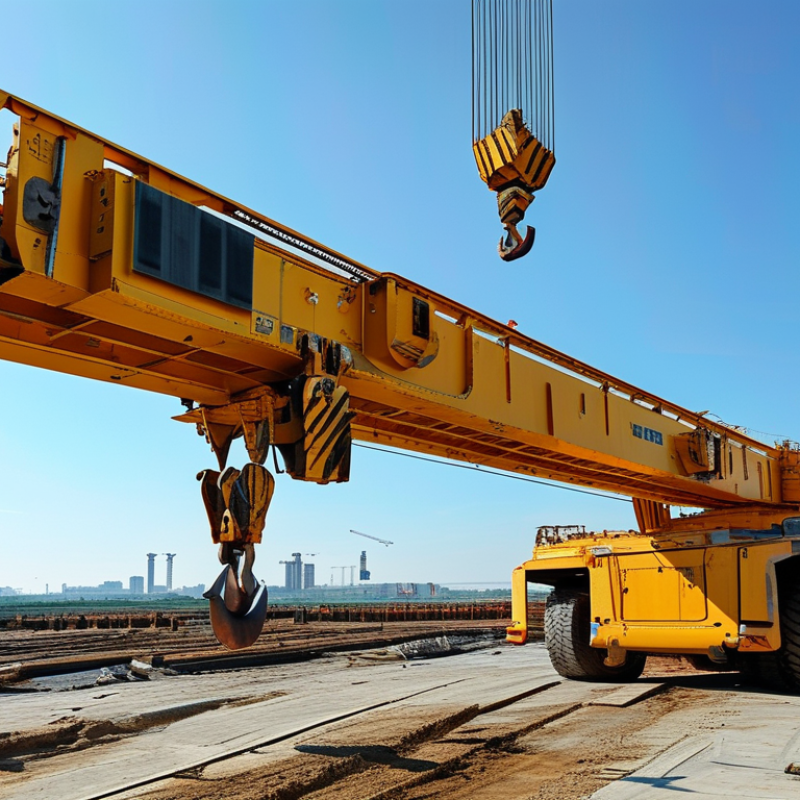
A 350-ton hydraulic crane does not lift 350 tons in every situation. Its capacity changes with boom length, working radius, counterweight, and ground conditions. Start with the heaviest planned load, including rigging, lifting beams, and stored materials. Record the required lifting height and the distance from the crane’s center to the load. A small radius change can reduce capacity sharply.
Review the manufacturer’s load chart with a qualified lifting engineer. Check the exact boom configuration, outrigger position, and counterweight arrangement. Ground bearing pressure also matters, especially on reclaimed soil or uneven concrete. Use mats or engineered support when necessary. Consider wind limits, nearby structures, power lines, transport access, and the number of daily lifts. A realistic duty cycle prevents overheating and unnecessary delays.
Tips: Measure the actual load, not its catalog estimate. Weigh unusual components where possible. Keep a safety margin for uncertainty. Our first radius calculation is often optimistic, so verify it on the site plan. Ask an experienced operator to review blind spots, communication methods, and emergency access. Recheck the lifting plan after design changes; even a minor attachment can alter the crane’s balance.
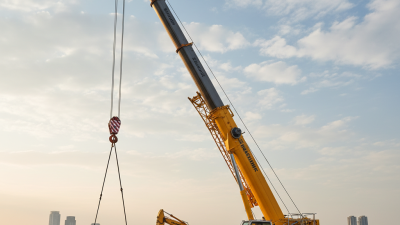
A 350-ton rating describes maximum capacity under specific conditions, not every lift. The load chart controls the real decision. Compare maximum load, working radius, boom length, luffing jib options, counterweight, and transport width. A 350-ton crane may lift 350 tonnes only near its base, with limited boom extension. At a 25-meter radius, capacity can fall sharply. Exact figures depend on configuration and manufacturer calculations. The Global Wind Energy Council reported 117 GW of new wind capacity in 2024, increasing demand for long-reach lifting on energy projects. Reach matters, but stability matters more.
Site conditions can change the selection completely. Check soil bearing capacity, underground services, slope, access roads, and outrigger space before hiring. Soft fill may require steel plates or engineered mats. Calculate ground pressure from the crane’s operating weight, lifted load, and outrigger reaction. Wind exposure also deserves attention, especially with long booms and suspended panels. EN 13000 and local lifting regulations provide useful technical controls, but a qualified lift planner must verify the actual site. A tidy spreadsheet can still mislead.
Tips: Request the complete load chart, not only the headline capacity. Mark the heaviest lift and radius on the site plan. Confirm transport permits, assembly space, and counterweight delivery. Leave a practical safety margin. I would also reassess the plan after a weather change, because real sites rarely behave perfectly.
A 350-ton hydraulic crane needs more than impressive lifting capacity. Its safety systems must match the real worksite. CPWR’s analysis of U.S. Bureau of Labor Statistics data recorded 297 crane-related deaths from 2011 to 2020. That figure supports careful equipment selection, not shortcuts. Check the rated capacity limiter, load moment indicator, anti-two-block device, emergency stop, and overload alarms. These systems should provide clear warnings inside the operator’s normal view.
Operator controls deserve equal attention. Proportional joysticks, readable displays, stable seating, and low control effort can reduce fatigue during long lifts. Test every control with gloves. Confirm smooth movement at low speed. A camera helps, but it cannot replace direct communication or a trained signal person. ISO 12480-1 addresses safe crane use, while ISO 23814:2023 covers crane inspector competence. In the United States, OSHA 1926 Subpart CC also requires documented inspections, operator qualification, and specific safety procedures. Requirements may differ locally.
Tips: Request inspection records, load charts, software updates, and maintenance history before purchase. Verify ground pressure calculations for the planned lift. Check wind limits, outrigger monitoring, and communication systems. A clean dashboard can still hide poor calibration. I would arrange an independent inspection before signing, even when the paperwork appears complete. Mistakes happen. A cautious review is cheaper than a failed lift.
A 350-ton hydraulic crane demands careful transport planning before purchase. Check its total weight, axle loads, travel height, and maximum width. Route surveys should identify weak bridges, narrow turns, steep grades, and restricted urban roads. Obtain required transport approvals early. Delays often begin with missing paperwork, not mechanical problems. A crane that fits the lifting plan may still be difficult to move.
Assembly conditions deserve equal attention. Confirm the site can support outrigger pressure with engineered mats or reinforced foundations. Measure overhead clearance around power lines, structures, and nearby equipment. Review the assembly sequence, lifting points, and required support vehicles. Wind limits matter during boom installation. They are easy to underestimate. Leave space for safe counterweight handling and emergency access.
Maintenance planning should include inspection intervals, hydraulic cleanliness, hose replacement, lubrication, and spare-part availability. Ask for clear service records and readable load charts. During operation, verify the actual load radius, ground condition, sling angles, and weather limits. Operators need practical training, not only a certificate. A useful trial lift can reveal poor visibility or slow controls. In my experience, selection errors often come from assuming ideal conditions. Recheck the heaviest load, longest reach, and tightest working area before approving the crane.
How to Choose a 350 Ton Hydraulic Crane in 2026?
A 350 ton crane should be priced by total ownership cost, not purchase price alone. Include transport, assembly, insurance, operator training, fuel, inspections, scheduled maintenance, and resale value. The American Rental Association’s 2025 forecast places United States equipment-rental revenue near 59 billion dollars. That figure supports a practical question: will ownership provide better utilization than renting? If annual use is uncertain, rental access may reduce idle capital. A spreadsheet can still lie.
Supplier support deserves equal attention. Request documented parts availability, technician response times, emergency coverage, and training records. Ask for references from projects using similar lifting capacities. Check whether service teams can reach your site within one working day. Verify load charts, wind limits, foundation requirements, and transport dimensions with an independent engineer. The 2025 Deloitte Engineering and Construction Industry Outlook identifies labor shortages and digital adoption as continuing industry pressures. Strong training and remote diagnostics can reduce both risks.
For 2026, look for telematics compatible with ISO 15143-3, real-time load monitoring, geofencing, electronic maintenance records, and cybersecurity controls. Battery-assisted systems may reduce idling, but savings depend on duty cycle and charging access. The International Energy Agency’s Global Energy Review 2025 reported continued growth in global electricity demand, making site-energy planning more important. I would not pay extra for every digital feature. Test its data accuracy, offline operation, and export options before signing. Fancy dashboards are not always useful.