How to Choose the Best Pressure Measurement Devices?
When selecting Pressure measurement devices, it is crucial to understand their application in various industries. According to a recent report by MarketsandMarkets, the global pressure sensors market is projected to reach $9.1 billion by 2026, growing at a CAGR of 6.3%. This growth is driven by advancements in industrial automation and the rising need for precise pressure measurement in applications like oil and gas, healthcare, and automotive sectors.
Pressure measurement accuracy can significantly impact operational efficiency. For instance, in the oil and gas industry, inaccurate pressure readings can lead to catastrophic failures, resulting in significant economic loss. The industry often relies on proven devices like piezoresistive sensors, which offer high precision and stability, yet may not always suit all applications. It’s essential to reflect on the trade-offs between different types of measurement devices, as what works in one scenario may not apply in another.
Choosing the right pressure measurement device, therefore, requires a careful evaluation of your specific needs. Factors such as environment, required accuracy, and response time play a role in this decision. Some devices may excel in certain environments but fail in others. It’s vital to assess both industry standards and specific operational demands to make an informed choice.
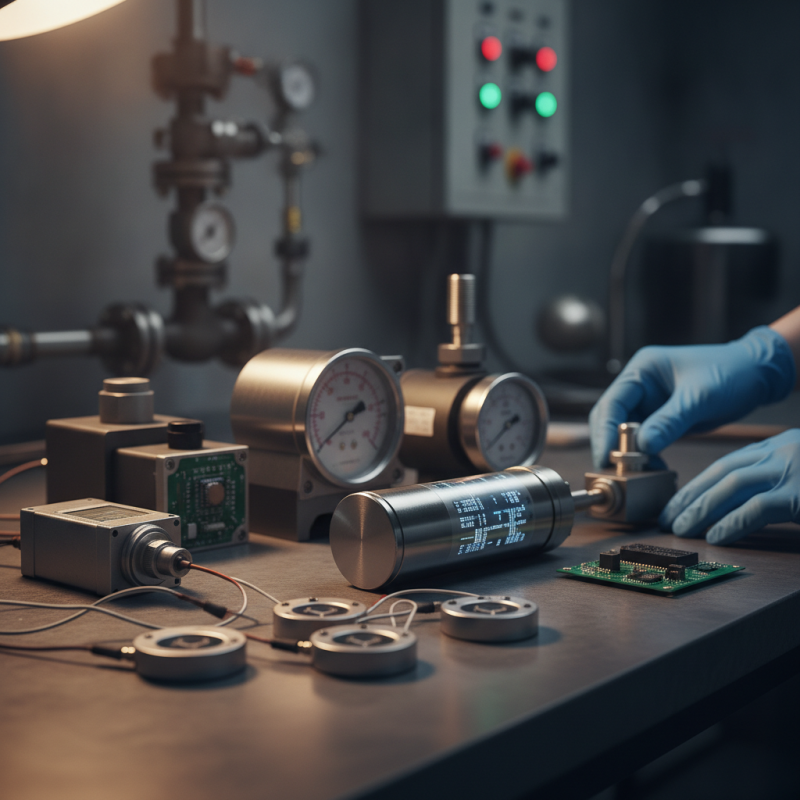
Understanding the Basics of Pressure Measurement Devices
When selecting pressure measurement devices, it’s crucial to understand the fundamentals. Pressure can vary significantly depending on the environment and application. Different devices may be suited for different scenarios. For example, gauge pressure is often used for applications that measure pressure relative to atmospheric pressure. Meanwhile, absolute pressure is essential in vacuum applications. This distinction is vital for accurate measurements.
Tips: Consider the environment where the device will be used. High temperatures or corrosive substances can affect readings. Choose a device that can withstand these conditions. Accuracy is another critical factor. Devices should meet the required specifications for your application.
Understanding the calibration process is also important. Regular calibration ensures that the device remains reliable and accurate. A poorly calibrated device may yield incorrect data, leading to faulty operations. Ensure the device can be calibrated easily and regularly. This promotes better longevity and performance.
Tips: Always consult with experts when unsure about the correct device. They can provide insights based on their experience. Do not overlook the importance of user reviews and product testing. These can highlight potential issues or advantages you might not have considered.
Types of Pressure Measurement Devices and Their Applications
Pressure measurement devices play a crucial role in various industries, from manufacturing to healthcare. Each type serves a unique purpose. For instance, strain gauge pressure transducers are commonly used in industrial settings. They convert pressure into an electrical signal, offering high accuracy and reliability, often within 0.1% of full scale. This precision supports critical applications such as monitoring process pressures in chemical plants.
Another popular type is the piezoelectric pressure sensor. These sensors are ideal for dynamic measurements, such as in automotive testing. They respond quickly to changes, making them suitable for capturing fluctuating pressures. Reports indicate that the piezoelectric device market is expected to grow by over 8% annually, reflecting its increasing importance.
On the other hand, some devices, like mechanical manometers, might lack the advanced features of their electronic counterparts. They can be subject to human error and external influences like temperature changes. This raises questions about their reliability in sensitive applications. Engineers should carefully consider these limitations when selecting measurement devices for precise tasks.
Key Factors to Consider When Choosing Pressure Measurement Devices
When selecting pressure measurement devices, several key factors come into play. Understanding the specific requirements of your application is essential. The range of pressure to be measured must align with the device’s capabilities. Whether it measures vacuum, gauge, or absolute pressure can influence your choice. Knowing the operational environment is equally vital. High temperatures or corrosive substances may require specialized materials in the sensor construction.
Accuracy is another significant consideration. A device’s precision can greatly affect the reliability of your measurements. Review the accuracy specifications carefully. Some devices may offer high precision but may not be suited for rapid or fluctuating pressures. This mismatch could lead to frustration or operational failure.
Additionally, consider the ease of installation and maintenance. User-friendly devices save time and reduce errors. Some models require frequent calibration, while others are more stable. These details can impact efficiency. In some cases, the best option may not be the most advanced one. Assess your team's expertise too. A complicated system might lead to misuse if personnel lack training.
Pressure Measurement Devices Comparison
This chart illustrates the accuracy of various pressure measurement devices. When choosing a pressure measurement device, it's essential to consider the accuracy as a key factor for ensuring the reliability and precision of your measurements.
Accuracy and Calibration: Essential for Reliable Pressure Readings
Selecting the right pressure measurement device is crucial for accuracy. Accuracy and calibration are vital for reliable pressure readings. A device with precise readings enables effective monitoring of systems. Poorly calibrated instruments lead to misleading data. It’s essential to regularly check calibration.
Regular calibration checks are necessary. This ensures that your device maintains its accuracy. Using a reference standard during calibration can enhance reliability. Additionally, consider the environmental factors affecting your device. Temperature and humidity can influence pressure readings. Take these variables into account during calibration.
Tip: Establish a routine for calibration checks. Set reminders to avoid neglecting this important task. Another tip is to document all calibration results. This helps in tracking performance over time. Reliable data is foundational for precise operations. Trustworthy instruments empower better decision-making and operational efficiency.
Maintenance and Durability of Pressure Measurement Devices
Maintenance is crucial for the longevity of pressure measurement devices. Regular inspections can prevent unexpected failures. Many industry reports indicate that up to 30% of measurement errors stem from improper maintenance. Ensuring devices are calibrated correctly is essential. Calibration should occur at least once a year, according to standards set by organizations like ISO.
Durability is another essential aspect to consider. Pressure devices often operate in harsh environments. A report by the American Society for Testing and Materials states that extreme temperatures can reduce the lifespan of these instruments by 40%. Using materials that resist corrosion and wear can mitigate these issues. Investing in rugged designs can lead to fewer replacements and less downtime.
It’s important to review the operating conditions. Devices exposed to vibrations or contaminants may require more frequent maintenance. Regular training for personnel can improve awareness of maintenance protocols. This proactive approach can help extend the service life significantly. Ignoring these factors can lead to costly repairs and increased operational risks.
How to Choose the Best Pressure Measurement Devices? - Maintenance and Durability of Pressure Measurement Devices
| Device Type | Measurement Range | Accuracy | Durability | Maintenance Frequency |
| Bourdon Tube Pressure Gauge | 0 to 300 psi | ±1.5% | High | Annual |
| Digital Pressure Transducer | 0 to 1000 psi | ±0.5% | Medium | Biannual |
| Differential Pressure Gauge | 0 to 50 inH2O | ±2% | Low | Quarterly |
| Hydraulic Pressure Sensor | 0 to 5000 psi | ±1% | Very High | Annual |
| Manometer | 0 to 15 psi | ±3% | Medium | As needed |