How to Choose the Largest Hydraulic Crane in 2026?
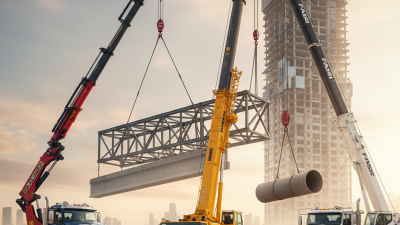
The demand for the largest hydraulic crane continues to rise in 2026, driven by infrastructure projects globally. According to a recent report by MarketsandMarkets, the global crane market is expected to reach $45 billion by 2026. This growth stems from the need for advanced lifting capacities in construction and logistics.
Choosing the right hydraulic crane involves various considerations. The largest hydraulic cranes boast impressive lifting capacities, often exceeding 1,000 tons. However, the selection process can be overwhelming due to diverse specifications. Each project's unique requirements impact the best choices available. Understanding these factors helps in making informed decisions.
In this evolving industry, it’s essential to stay updated on new technologies and features. Buyers must also reflect on past experiences and predictions about market trends. While many options are available, not all can meet specific project demands. This complexity serves as a reminder to approach the buying process with care and consideration.
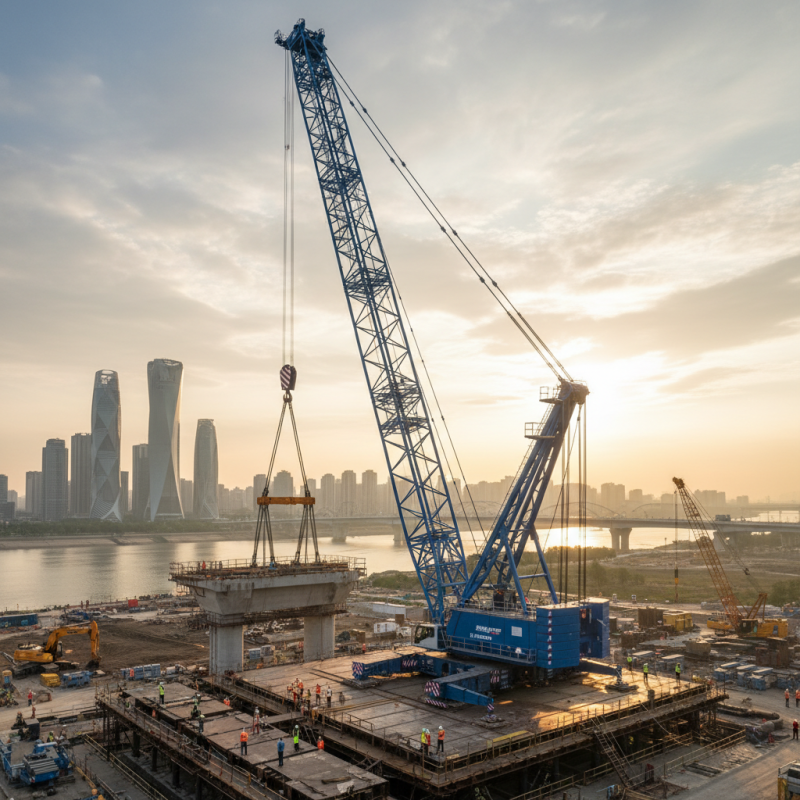
Factors Influencing Hydraulic Crane Size Selection in 2026
Choosing the largest hydraulic crane involves multiple factors in 2026. One significant aspect is weight capacity. According to industry reports, cranes must exceed 400 tons for heavy-lift jobs. Understanding this requirement is essential to ensure safety and efficiency at the job site.
Mobile capabilities also influence the decision. With the increase in urban construction, cranes need to maneuver in tight spaces. Research indicates that cranes with adjustable outriggers enhance stability. However, this can lead to increased operational complexity, which some operators may find challenging.
Another crucial factor is the reach of the crane. A crane with a longer boom can access higher structures and deeper sites. In 2026, more projects demand cranes with a vertical lift capability of up to 70 meters. This rising demand highlights the need for cranes that can offer versatility. While larger cranes can handle substantial loads, they require careful logistics planning. This includes ensuring adequate transport and assembly capabilities, which can sometimes lead to unexpected delays.
Hydraulic Crane Size Selection Factors in 2026
Key Technical Specifications for Large Hydraulic Cranes
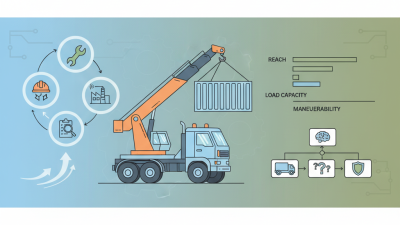
When selecting a large hydraulic crane, understanding key technical specifications is crucial. The lifting capacity is one of the most important factors. Larger cranes often have capacities ranging from 200 to 1,200 tons. Knowing your project's requirements helps in making the right choice. Stability is equally important, influenced by the crane's design and counterweight system.
Next, consider the boom length and reach. Longer booms may allow for higher lifts or longer reaches, but they can also pose challenges. These cranes often offer telescopic boom options, enhancing versatility. Another aspect to examine is the hydraulic system's efficiency. A well-designed hydraulic system maximizes lift while minimizing fuel consumption.
Lastly, safety features must not be overlooked. Look for systems that prevent tipping and ensure load stability. Some cranes include overload protection sensors. However, the reliance on technology can lead to complacency. Regular training and maintenance should not be ignored. There’s always room for improvement in crane operation practices and safety management.
Market Demand Trends for Hydraulic Cranes in 2026
The hydraulic crane market is evolving. By 2026, demand will stem from various sectors like construction and logistics. A growing emphasis on sustainability drives innovations in crane design. The need for larger and more efficient cranes is evident. These cranes must handle heavy loads while remaining energy-efficient.
Tips: Assess your specific needs before selecting a crane. Consider factors like load capacity and operating environment. A crane that is too large can lead to inefficiencies and cost overruns.
In addition, operator skill is crucial. Training can impact productivity and safety significantly. Improper use of a larger crane can lead to accidents. Understanding the risks associated with heavy machinery is essential. Always keep safety protocols in mind when operating any crane for optimal outcomes.
How to Choose the Largest Hydraulic Crane in 2026? - Market Demand Trends for Hydraulic Cranes in 2026
| Crane Type |
Load Capacity (ton) |
Max Height (m) |
Operating Radius (m) |
Market Demand (%) |
| All-Terrain Crane |
220 |
52 |
50 |
25 |
| Crawler Crane |
300 |
60 |
72 |
30 |
| Truck-Mounted Crane |
150 |
40 |
30 |
15 |
| Rough Terrain Crane |
120 |
35 |
20 |
20 |
| Floating Crane |
180 |
45 |
35 |
10 |
Safety Standards and Regulations for Large Hydraulic Cranes
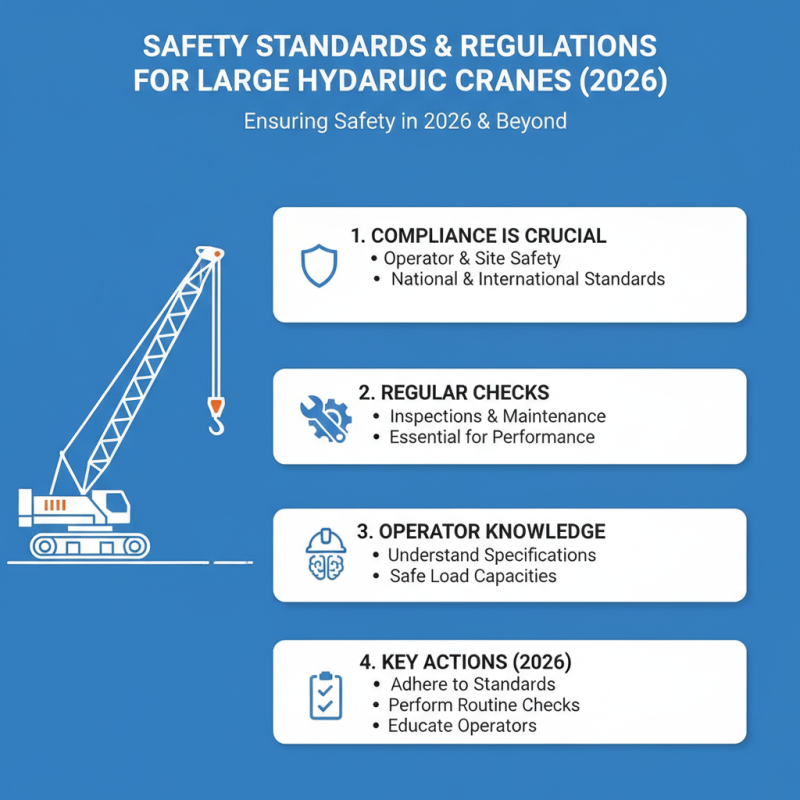
When selecting a large hydraulic crane in 2026, safety standards and regulations are crucial. Compliance ensures operator and site safety. These cranes must adhere to national and international standards. Regular inspections and maintenance routines are essential for performance and safety. Operators must understand the crane's specifications and safe load capacities.
In 2026, regulations may evolve, focusing on environmental impacts and operational efficiency. Training programs will likely emphasize safety protocols. Workers must be educated on potential hazards. Neglecting safety can lead to accidents. An experienced operator recognizes the importance of following guidelines. Better training can reduce risk.
A crane's design must accommodate various lifting conditions. Load stability is crucial, especially in challenging environments. Operators should be clear about their working conditions to prevent mishaps. Reflecting on past accidents can enhance awareness and prompt cautious behavior. Prioritizing safety is vital, even when it adds complexity to crane operation.
Cost-Benefit Analysis of Choosing Larger Hydraulic Cranes
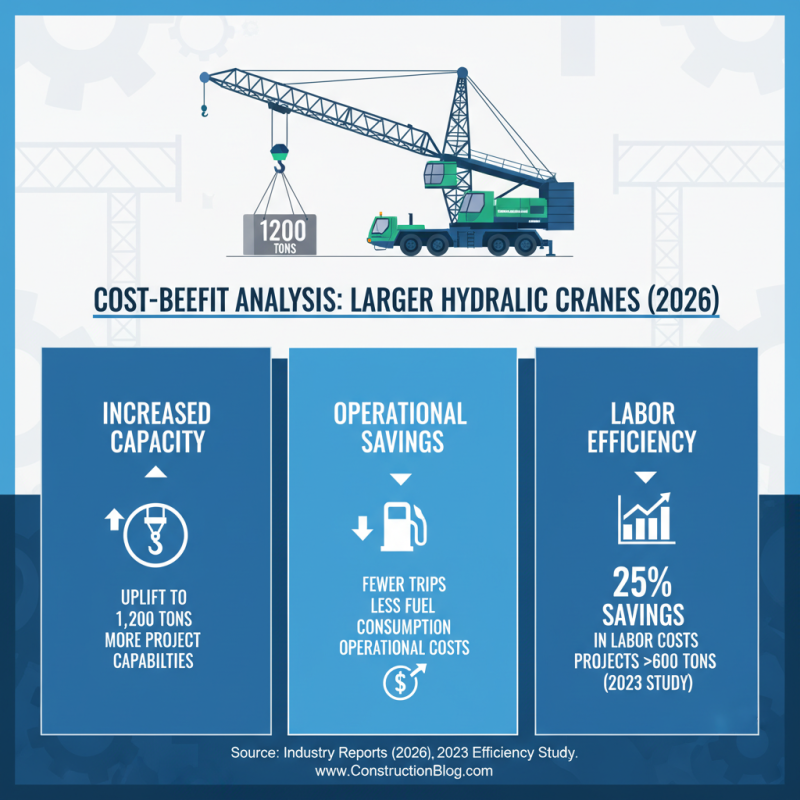
When evaluating the cost-benefit of larger hydraulic cranes in 2026, the potential return on investment must be clearly understood. Industry reports indicate that larger cranes can uplift to 1,200 tons, dramatically increasing project capabilities. This capacity translates to fewer trips and less fuel, leading to significant operational savings. A 2023 study showed that projects using cranes with over 600 tons capacity saved approximately 25% in labor costs due to increased efficiency.
However, the upfront costs of larger cranes can be daunting. A comparative analysis reveals that acquiring a crane capable of 800 tons can cost up to $1.5 million more than a standard model. Maintenance also scales with size, leading to ongoing fees that impact overall budgets. This trade-off necessitates careful financial forecasting. Operators must also consider fluctuating demand; downtime for larger cranes can lead to greater losses.
The choice of size should also reflect project needs. While larger cranes offer benefits, they may not always be necessary. A survey indicated that nearly 30% of project managers regretted opting for oversized cranes, realizing they incurred costs that outweighed their benefits. Balancing capacity with actual project requirements remains critical in making informed decisions.