How to Choose the Right Professional Crane for Your Construction Project
In the world of construction, selecting the right equipment can significantly impact the success of a project. This is particularly true when it comes to choosing a professional crane. According to industry expert John Rivers, a seasoned crane operator with over 20 years of experience, “The choice of a professional crane can be the difference between a job well done and a costly mistake.” This statement underscores the critical importance of making informed decisions when it comes to craning operations, where safety, efficiency, and cost-effectiveness are paramount.
When embarking on a construction project, understanding the specific requirements is essential. Factors such as load capacity, site conditions, and project timelines all play a vital role in determining which professional crane will best suit your needs. With numerous options available on the market, it can be overwhelming for project managers and construction teams to navigate through the various types and specifications of professional cranes. Therefore, it's crucial to have a clear strategy for evaluation and selection that aligns with the unique demands of your project.
Ultimately, the right professional crane not only enhances operational efficiency but also ensures the safety of the crew and stakeholders involved. By prioritizing careful analysis and expert consultation, construction professionals can ensure they select equipment that aligns with their project goals, thereby fostering successful outcomes and maintaining safety standards throughout the construction process.

Factors to Consider When Selecting a Crane for Construction Projects
When selecting the right crane for a construction project, it is crucial to consider several key factors that can significantly impact efficiency and safety. First and foremost, the type of loads to be lifted plays a vital role in crane selection. Different cranes have varying lifting capacities and configurations suited for specific types of materials, whether they are heavy machinery, building materials, or bulk items. Understanding the weight and dimensions of the materials will help narrow down the options and ensure the crane chosen can handle the project demands.
Another important consideration is the site conditions. The terrain on which the crane will operate can affect its performance and stability. Factors such as ground strength, height obstructions, and available space for maneuvering should be assessed. Additionally, the reach and lifting height required for the project must be taken into account, as different cranes offer varying maximum lifting heights and outreach capabilities. Finally, safety features, operator experience, and compliance with local regulations should also influence the decision-making process, ensuring that the chosen crane not only meets the project's technical requirements but also adheres to safety standards.
Understanding Different Types of Cranes and Their Applications in Construction
When choosing the right professional crane for your construction project, it's essential to understand the different types of cranes and their respective applications. Tower cranes are a common choice for tall building construction due to their ability to lift heavy loads at great heights. These cranes are often fixed to the ground and can reach impressive elevations, making them ideal for urban construction sites where space is limited. Their sophisticated setup allows them to swivel and operate with precision, which is crucial in densely populated areas.
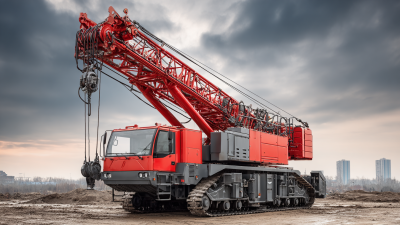
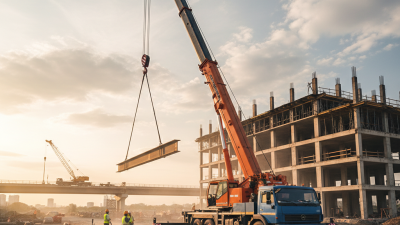
Another popular type of crane is the mobile crane, which provides flexibility and versatility on construction sites. Mobile cranes are mounted on wheels or tracks, enabling easy relocation between locations without the need for extensive assembly. These cranes come in various sizes and configurations, making them suitable for tasks ranging from lifting steel beams in commercial builds to unloading materials on smaller residential projects. Additionally, crawler cranes are designed for rough terrain and provide excellent stability, making them a viable option for off-road construction environments where traditional cranes may struggle. Understanding these distinctions ensures that project managers can select the most appropriate crane type to enhance efficiency and safety on the worksite.
Crane Type Usage in Construction Projects
Key Load Capacity Requirements for Construction Cranes Explained
When selecting a crane for a construction project, understanding load capacity requirements is paramount. The load capacity of a crane is a critical factor that determines its suitability for specific tasks. According to a recent industry report by the Crane Industry Council of America (CICA), cranes are classified into various categories based on their lifting capacities, which can range from as low as 5 tons to over 1,000 tons for larger models. For example, a standard rough-terrain crane typically has a capacity of 10 to 50 tons, making it ideal for smaller job sites with limited space.
The project’s unique demands dictate the crane's capacity needs. For instance, if heavy steel components are a part of the construction assembly, a crane must be chosen with a load capacity that exceeds the total weight of these components by at least 10-15%. This safety margin is essential to mitigate risks associated with overloading, which can lead to accidents or equipment failure. Furthermore, geographical and environmental factors can influence load charts. According to a study by the American Society of Civil Engineers (ASCE), crane operators must consider wind speed, site gradients, and ground conditions when assessing load capacity to ensure safe lifting operations.
In addition to sheer load weight, the reach and height of the crane also significantly affect its effectiveness. Longer reaches often result in reduced load capacities, which is illustrated in various crane manufacturer load charts. Industry best practices recommend consulting with certified crane operators or engineers when making these calculations to ensure compliance with safety standards and operational efficiency. By understanding these intricate factors, construction project managers can make informed decisions when selecting the right crane for their needs.
Importance of WorkSite Conditions in Crane Selection for Projects
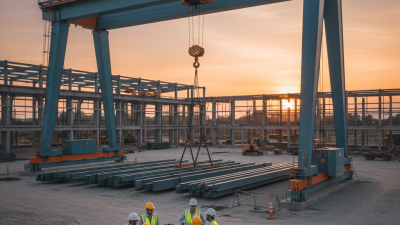
When selecting a professional crane for a construction project, understanding the worksite conditions is crucial. Different projects present unique challenges depending on factors such as terrain, space constraints, and environmental conditions. For instance, a site located in a densely populated urban area may require a compact crane that can maneuver through narrow streets, while a rural site with ample space might benefit from larger, heavier-duty cranes capable of lifting substantial loads. The configuration of the work environment plays a significant role in ensuring not just efficiency, but also safety.
Furthermore, weather conditions can heavily influence crane operation and selection. Wind, precipitation, and temperature fluctuations need to be carefully considered, as they can affect both the crane's performance and the safety of the lift. For example, operating a crane in high winds can pose serious risks, necessitating the choice of cranes designed for such conditions or scheduling lifts for more favorable weather. By evaluating worksite conditions comprehensively—from the physical layout to the climate—project managers can make informed decisions that enhance operational effectiveness and worker safety throughout the duration of the construction project.
Regulatory Standards and Safety Compliance in Crane Operations
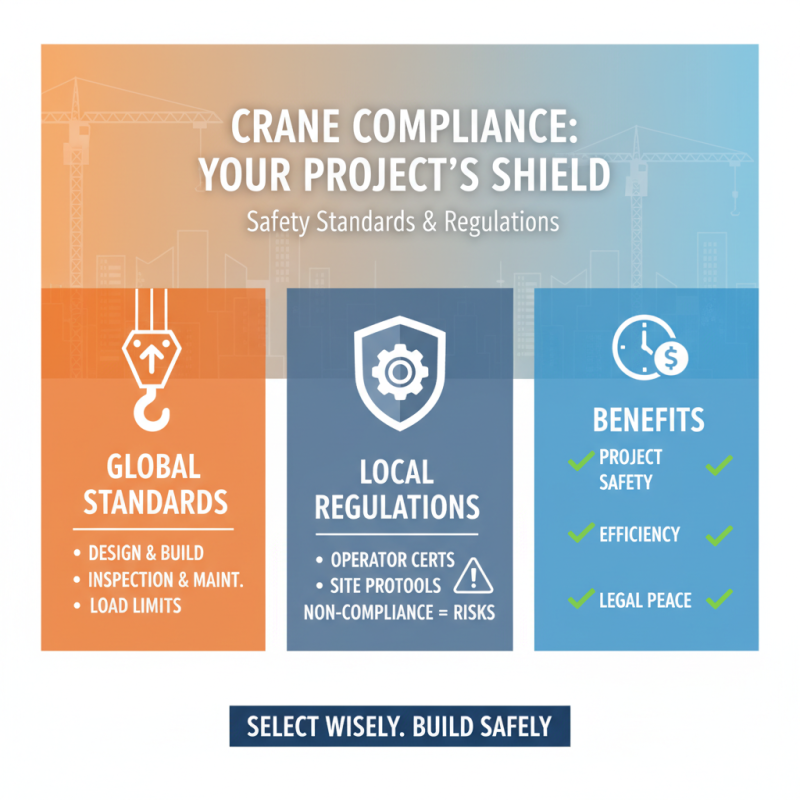
Understanding regulatory standards and safety compliance is crucial when selecting the right professional crane for your construction project. Different regions have established specific guidelines to ensure the safety of crane operations, which include requirements for the design, construction, inspection, and maintenance of cranes. Familiarizing yourself with the local regulations is essential, as non-compliance can result in hefty fines, project delays, and severe safety incidents. Typically, national and local agencies will outline these standards, covering everything from load limits to operator certifications.
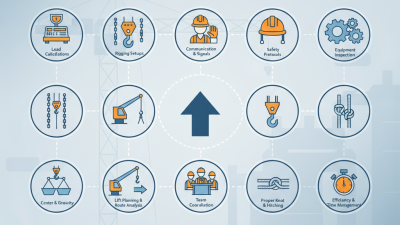
Implementing safety compliance measures involves conducting thorough risk assessments and ensuring that all personnel are adequately trained. Operators should be well-versed in the crane's specific operational guidelines and safety protocols to mitigate risks on site. It is equally important to maintain clear communication among team members and establish a safety culture that prioritizes adherence to regulations. Regular inspections and maintenance checks are also vital for compliance, ensuring that the crane is safe to operate and capable of performing its intended functions effectively. Emphasizing these safety standards not only protects the workers but also contributes to the overall success and efficiency of the construction project.