How to Choose the Right Residential Crane for Your Construction Project
When embarking on a construction project, one of the critical decisions builders and contractors face is selecting the right equipment to ensure efficiency and safety. Among these essential tools, a residential crane plays a pivotal role, particularly in lifting heavy materials and navigating challenging job sites. Choosing the appropriate residential crane not only facilitates the smooth progression of the project but also enhances operational safety and minimizes potential risks during construction activities.
The right residential crane can significantly impact the duration and success of a construction project. Factors such as the crane's load capacity, reach, and maneuverability must all be carefully considered to match the unique demands of a project. Additionally, understanding the various types of residential cranes available and their specific functionalities will aid in making an informed choice that aligns with the project's scope and requirements.
Ultimately, selecting the correct residential crane is a vital step in ensuring that your construction project is both efficient and safe. By thoroughly evaluating your needs, the project environment, and the crane's specifications, you can make a well-informed decision that will lead to successful project completion.

Factors to Consider When Selecting a Residential Crane
When selecting the right residential crane for your construction project, it’s essential to consider several key factors that will ensure the crane meets your specific needs. One of the primary considerations is the crane's lifting capacity. According to a report by the American Crane and Equipment Corporation, cranes used in residential construction typically range from 10 to 40 tons. Assessing the weight of materials you will be handling can help narrow down your options, ensuring you choose a crane that can safely lift your required loads without compromising safety or efficiency.
Another critical factor is the crane's reach and height capabilities. Based on industry standards, residential cranes often need to lift materials to heights of up to 60 feet or more, especially in multi-story projects. It is vital to analyze the layout of your site, including any obstructions that might affect lifting operations. Additionally, the ground conditions should also be taken into account, as the stability of the crane depends significantly on the type of surface it operates on. The greater the outreach and height capabilities, the more versatile the crane will be, allowing for a more streamlined construction process. By carefully considering these factors, you can ensure that your chosen crane will effectively support your residential construction project.
Types of Cranes Suitable for Residential Construction
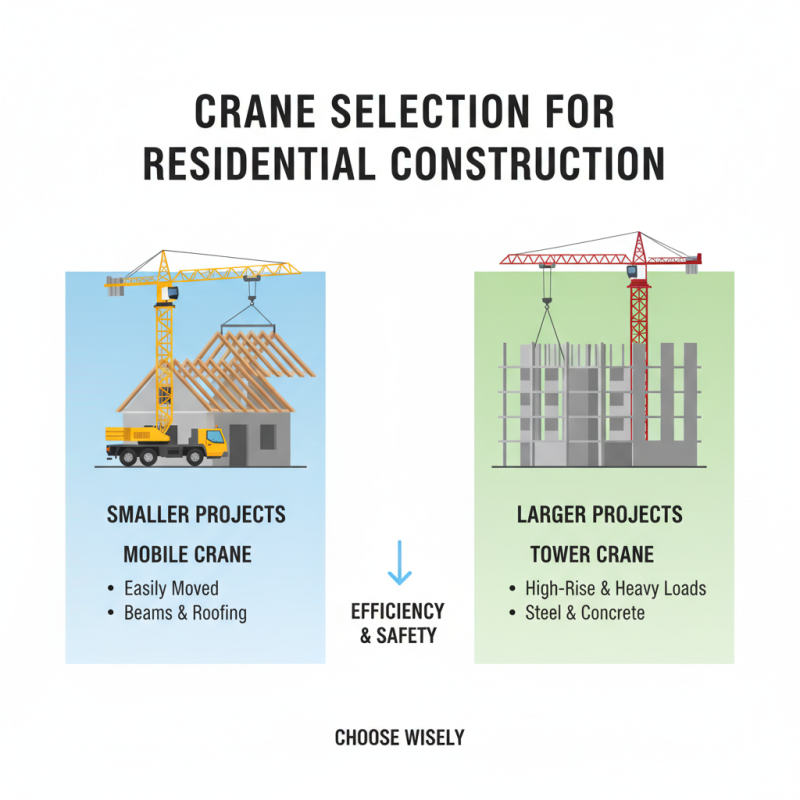
When it comes to residential construction, selecting the right crane is critical for the efficiency and safety of the project. Different types of cranes are suitable for various tasks, and understanding these options is an essential first step in the decision-making process. For smaller residential projects, a mobile crane is often a popular choice. These cranes are flexible and can be easily moved from one site to another, making them ideal for lifting materials like beams and roofing components without requiring extensive site preparation.
For larger residential constructions, a tower crane may be more appropriate. Tower cranes are designed to reach significant heights and can lift heavy loads, making them ideal for multi-story buildings. Their fixed base provides stability, and they can rotate, allowing for greater maneuverability around a construction site. However, they do require more time and effort to set up, including ensuring adequate space and compliance with structural safety standards. Each type of crane offers specific benefits and limitations, so understanding the scale and requirements of your project is vital in making the right choice.
Evaluating Weight Capacity and Reach Requirements
When selecting a residential crane for your construction project, evaluating weight capacity and reach requirements is essential to ensure efficiency and safety. According to the Cranes Industry Council, the average weight capacity of residential cranes typically ranges from 10 to 20 tons, depending on their design and purpose. It is important to assess the specific materials and equipment you will be lifting, as exceeding the crane's weight limit can lead to catastrophic failures. For instance, if a project involves lifting heavy structural beams and concrete blocks, a crane with a minimum capacity of 15 tons may be necessary to accommodate these loads safely.
In addition to weight capacity, reach is a significant factor in crane selection. The maximum reach of a crane can vary significantly, with most residential models offering a horizontal reach between 40 and 100 feet. It’s crucial to evaluate the layout of your construction site to determine how far the crane needs to extend to effectively lift loads into place without compromising stability. A 2022 report from the National Center for Construction Statistics highlighted that improper crane reach selection contributed to 25% of crane-related accidents, underscoring the importance of careful planning. By accurately assessing both weight capacity and reach requirements, you can select a residential crane that enhances productivity while ensuring the safety of all personnel on site.
Understanding Site Conditions and Accessibility Challenges
When selecting the right residential crane for a construction project, understanding site conditions and accessibility challenges is crucial. Each construction site is unique, and various factors can affect how effectively a crane can operate. For instance, the terrain's slope, type of ground, and presence of nearby structures may influence the type of crane needed. A ground assessment helps determine the weight capacity required and whether the crane must be a tower crane, all-terrain crane, or a smaller, portable version.
Accessibility also plays a significant role in crane selection. The crane must be able to navigate the site without obstacles that could impede its movement. Factors such as narrow streets, overhead power lines, and the proximity of other buildings can limit the crane’s operational efficiency. Proper planning and site layout can aid in ensuring that the crane can reach all necessary locations. Additionally, considering traffic patterns and local regulations can facilitate smoother project execution, ensuring that the crane's presence does not become a hindrance to construction timelines or neighborhood safety.
Cost Considerations and Budgeting for Crane Rental or Purchase
When considering the cost of renting or purchasing a residential crane for construction projects, it's essential to evaluate several factors that influence the overall budget. Crane rental prices can vary significantly based on the type of crane needed, the duration of the project, and the specific load requirements. For example, industry reports indicate that rental costs for cranes can range from $200 to $2,000 per day, depending on the crane's capacity and capabilities. Projects requiring larger cranes may face higher rates, especially if the rental period extends over several weeks or months.
In addition to rental fees, potential buyers should factor in purchase costs which can be substantially higher. According to data from construction industry analyses, the average price of a new residential crane typically falls between $100,000 and $500,000. However, buyers must also consider ongoing expenses such as maintenance, insurance, and storage, which can add thousands of dollars annually. Proper budgeting for these costs will ensure that projects remain financially feasible while avoiding unexpected financial strain. A thorough assessment of both short-term and long-term costs is crucial in making an informed decision that aligns with the project's scale and financial goals.
Residential Crane Cost Comparison