10 Essential Parts of a Crane You Need to Know?

Cranes play a crucial role in construction, engineering, and manufacturing. Understanding the essential parts of a crane can enhance safety and efficiency. In 2021, the global crane market was valued at over $30 billion, showcasing its importance in various industries. Proper knowledge of crane components leads to better maintenance and operations.

The parts of a crane include the boom, cab, and counterweights, among others. Each piece serves a specific function that ensures the crane operates safely. For instance, the boom is vital for lifting heavy loads. Neglecting any part can lead to serious accidents and financial losses. Industry reports suggest that over 50% of crane accidents stem from equipment failure, often linked to inadequate maintenance or poor understanding of key components.

Crane operation requires skilled personnel who comprehend these essential parts. However, many operators undervalue the significance of regular training. A knowledgeable workforce can mitigate risks and enhance performance. Recognizing how each part contributes to the crane's overall functionality is not just beneficial; it is necessary for success in heavy lifting tasks.
10 Essential Parts of a Crane You Need to Know?

Crane Anatomy: Understanding the Main Components and Their Functions

10 Essential Parts of a Crane You Need to Know?

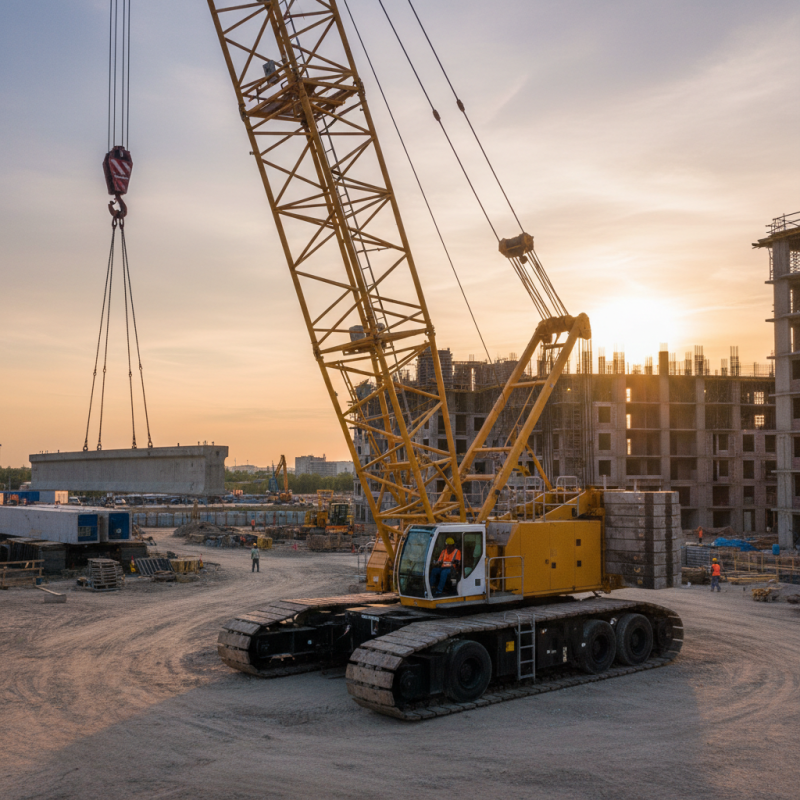
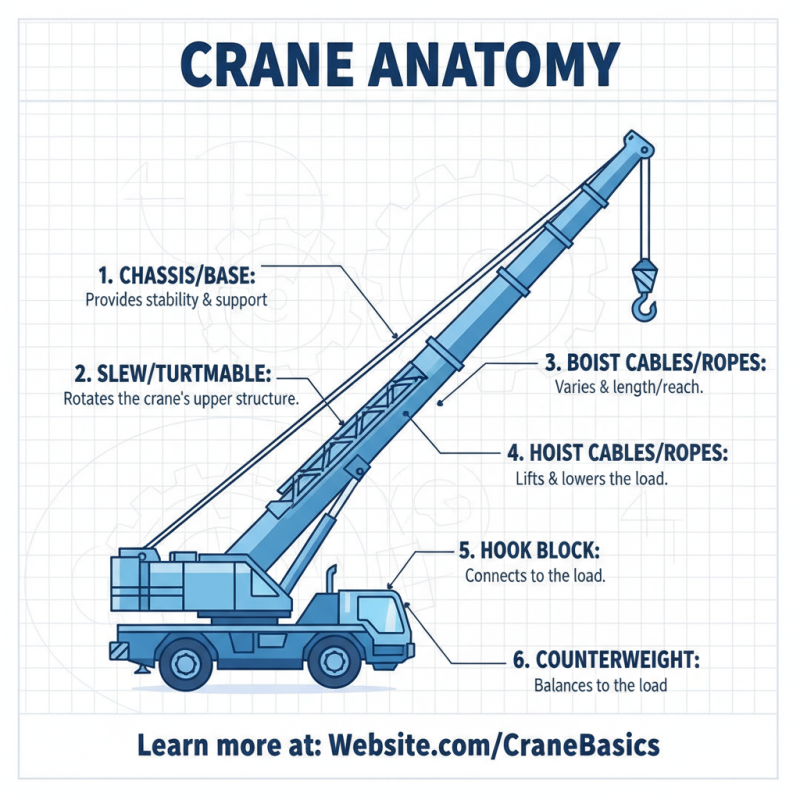
Crane anatomy is fundamental for understanding how these machines operate. A crane consists of several key components, each playing a critical role in its functionality. The boom is the primary part that supports the load. Its length and reach can vary, allowing for different types of lifting.

The hoist is another essential component. This part raises and lowers the load. Powering the hoist involves electric or hydraulic systems. The winch also contributes, providing the necessary force to move heavy materials. It's important to note that the hoist and winch should be regularly checked for wear and tear.

Tips: Ensure routine maintenance on these components. This keeps the crane operating at peak efficiency. Inspect cables for fraying to avoid accidents. Awareness of these parts can enhance safety.

The base and counterweights are crucial for stability. The base supports the entire structure. Counterweights help balance heavy loads, preventing tipping. Understanding these components allows operators to make informed decisions. However, many operators overlook load charts. This can lead to unsafe lifting practices. Always refer to the load chart for stress limits. Balancing functionality and safety is vital in crane operation.
The Role of the Boom: Types and Load-Bearing Capacities Explained

The boom is a crucial component of any crane. It carries the load. Its design directly affects lifting capacity. There are several types of booms. Each type serves unique applications. Telescoping booms extend and retract, allowing for versatility. Lattice booms are sturdy and often used for heavy loads. Each type has its own strengths and weaknesses.

Booms can handle different weight limits. Most cranes can lift between 10 to 700 tons. However, this varies by model. A crane's load chart is essential for understanding limits. Ignoring these guidelines can lead to accidents. For instance, overloading can cause structural damage. This could lead to catastrophic failures.

Tips: Always refer to the crane's manual. Know the load limits before lifting. Regular inspections ensure safety. Small issues can turn into major problems. Training operators can prevent mistakes. The boom's integrity is vital. Monitor it closely for any signs of wear.

Exploring the Importance of the Hoist Mechanism in Crane Operations

The hoist mechanism is crucial in crane operations. It is the part that lifts and lowers loads. The efficiency of a crane largely depends on this mechanism. A well-functioning hoist can ensure safety and precision. If the hoist fails, the entire operation can be jeopardized.

Many operators overlook regular maintenance. They might think, "It’s working fine for now.” This complacency can lead to breakdowns. A damaged hoist can result in accidents. Inspecting the cables, brakes, and drums is necessary. Operators should be trained to spot signs of wear. Simple checks can prevent costly outages.

The hoist comes in various types, each serving specific purposes. Electric hoists can move heavier loads. Manual hoists can be slower but are useful for small tasks. Knowing the right type for the job is vital. Sometimes, operators don’t assess the weight properly. Misjudging load capacity can lead to dangerous situations. Awareness and diligence are key for crane safety.

10 Essential Parts of a Crane You Need to Know

The Significance of the Outriggers: Stability and Safety Features

Outriggers play a crucial role in lifting operations. They provide stability and balance to the crane during heavy lifts. Without proper outriggers, a crane can tip over, especially on uneven ground. These extensions help distribute weight evenly, ensuring that the center of gravity remains low.

When deploying outriggers, it’s essential to have a flat and stable base. Operators often forget to check the ground conditions. This oversight can lead to accidents. How a crane is set up can make or break a job. Therefore, understanding the significance of outriggers is vital.

Moreover, not all cranes come equipped with outriggers designed for every job. Each lifting scenario presents unique challenges. Operators need to adapt and be mindful. Sometimes, upgrading to better support systems can enhance safety. The decision to invest in more stable solutions should not be overlooked. Safety should always be a top priority in any lifting operation.

10 Essential Parts of a Crane You Need to Know - The Significance of the Outriggers: Stability and Safety Features

Part Function Significance Safety Features
Outriggers Stabilizes the crane during operation. Prevents tipping and enhances load capacity. Integrated leveling indicators and load moment limiters.
Boom Supports and moves loads vertically and horizontally. Vital for load handling and reach. Boom angle indicators for precise positioning.
Counterweights Balances the crane against the weight of the load. Essential for stability during operation. Automatically adjusts based on load calculations.
Hoist Lifts and lowers the load. Key to efficient load movement. Equipped with overload protection systems.
Slewing Ring Allows the boom to rotate. Critical for maneuverability and precision. Enhanced with safety locks during operation.
Tension Ropes Supports the boom and stabilizes configuration. Ensures structural integrity. Regular inspection and tension measurement systems.
Cab Controls crane operations from a safe location. Provides operator visibility and comfort. Fitted with safety sensors and emergency controls.
Control System Manages all crane functions. Crucial for operational efficiency. Redundant systems to prevent failure.
Jib Extends reach and flexibility of crane. Enhances load positioning capabilities. Incorporated tilt monitoring and alarms.
Winch Aids in lifting and securing loads. Essential for load handling efficiency. Equipped with braking systems for added safety.

Safety Features in Cranes: Essential Components for Preventing Accidents

Cranes are vital in construction and industry. Their safety features are crucial for preventing accidents. According to the Occupational Safety and Health Administration (OSHA), over 4,800 crane-related injuries occur annually. Understanding essential components can reduce risks significantly.

One key safety feature is the load moment indicator. This device helps prevent overload by showing the weight of the load. Operators must monitor this gauge closely. Additionally, anti-collision systems are increasingly common. These systems alert operators if two cranes near each other may collide. Yet, not all cranes have these systems, leading to potential dangers on site.

Regular inspections are another critical aspect. A study revealed that 37% of crane accidents stem from equipment failure. Maintenance should not be underestimated. Operators should ensure that safety pins and cables are regularly checked. Education and training are also necessary. Workers need to understand safety protocols fully. Many incidents occur simply due to lack of knowledge. There’s much room for improvement in the industry regarding these essential safety features.