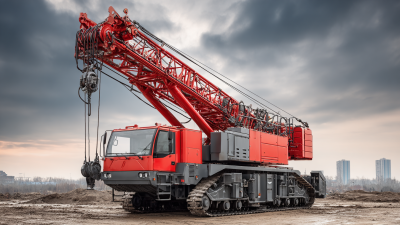
What is a large hydraulic crane and how does it work?
Large hydraulic cranes are vital in construction and heavy lifting industries. They excel at moving massive loads with precision and efficiency. According to a report by Research and Markets, the global crane market is projected to reach $90 billion by 2027. This growth emphasizes the increasing reliance on large hydraulic cranes in various sectors.
These cranes utilize hydraulic power to lift heavy materials, making them indispensable on job sites. They can easily lift weights exceeding 100 tons, demonstrating their remarkable strength. However, operating a large hydraulic crane is not without challenges. Operators must receive extensive training to ensure safety and efficiency. Mistakes can lead to accidents, highlighting the need for improved training programs.
In practice, a large hydraulic crane can be both a marvel and a source of concern. While they enhance productivity, misuse or miscalculations can have dire consequences. The industry must continually assess practices to balance efficiency with safety. As technology advances, the potential for innovation in large hydraulic cranes also grows, paving the way for safer and more efficient operations in the future.
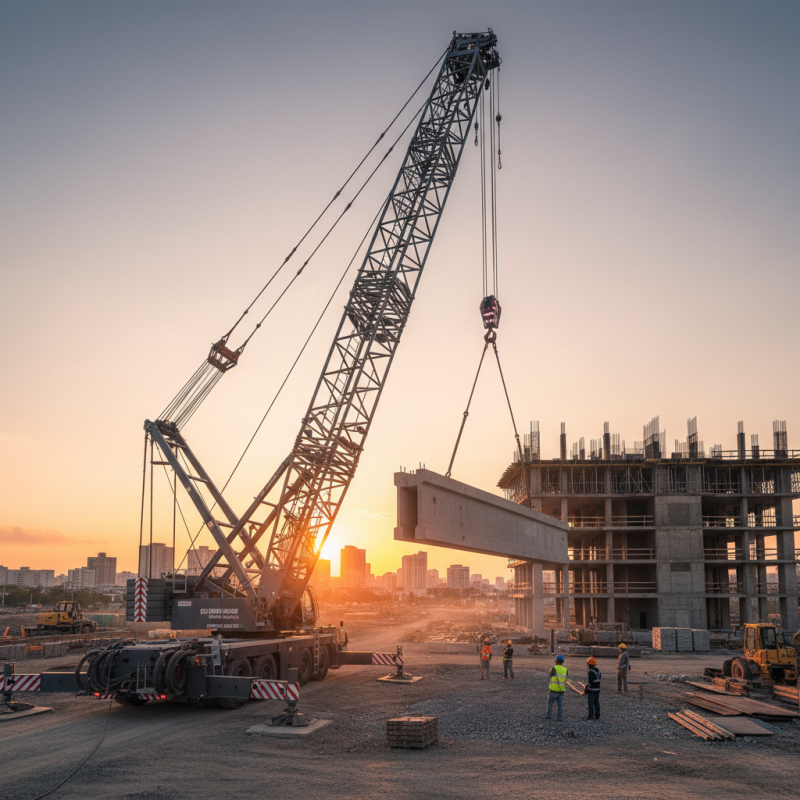
What is a Large Hydraulic Crane?
A large hydraulic crane is an impressive machine designed for heavy lifting. These cranes utilize hydraulic systems to generate power. They can easily raise and move large loads. This technology allows for precise control over the lifting process. Operators can handle materials that would otherwise be impossible to lift manually.
When considering the operation of a large hydraulic crane, safety is paramount. Always inspect the crane before use. Ensure all hoses and connections are secure. Look for any signs of wear or damage. Skipping these checks could lead to accidents.
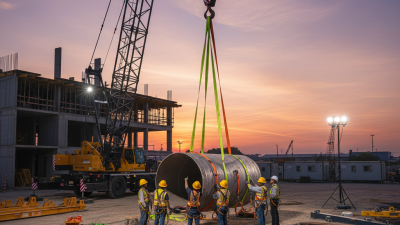
Tips: Never exceed the weight limit of the crane. This can lead to equipment failure. Use proper rigging techniques for stability. Communication among the crew is vital. Clearly signal actions to avoid confusion.
Large hydraulic cranes often operate in challenging environments. Uneven ground can pose risks. Operators must assess the surroundings carefully. Planning is essential for successful operation. Mistakes in positioning can result in injuries or damage.
Components of a Large Hydraulic Crane
Large hydraulic cranes are essential for heavy lifting in construction and manufacturing. They use hydraulic systems to lift massive loads, typically weighing over 100 tons. The crane's main components include the boom, hydraulic cylinders, and the undercarriage.
The boom is the arm of the crane, extending upwards and outwards. It allows the crane to reach great heights and distances. The hydraulic cylinders, filled with oil, provide the lifting power. They convert hydraulic energy into mechanical energy, allowing the crane to perform enormous tasks. According to a recent industry study, the global demand for hydraulic cranes is expected to grow by 5% annually, driven by infrastructure projects.
The undercarriage supports the entire crane. It houses the tracks or wheels, enabling mobility on various surfaces. Many cranes face wear and tear, especially in challenging environments. Regular maintenance is crucial, yet often neglected. A study revealed that nearly 30% of equipment failures are due to insufficient maintenance practices. Understanding these components helps operators optimize performance and extend the crane's lifespan.
Mechanism of Operation in Hydraulic Cranes
Hydraulic cranes are essential in construction and heavy lifting. They operate using a hydraulic system that converts fluid power into mechanical energy. This system involves hydraulic cylinders, pumps, and control valves. The pressurized fluid moves the piston within the cylinder, creating the lifting motion. Each hydraulic crane can lift several tons, often exceeding 500 tons.
The efficiency of hydraulic cranes is impressive. According to industry reports, hydraulic systems can be up to 85% efficient. However, factors like fluid leaks reduce overall performance. Regular maintenance is crucial to ensure reliability. In addition, the crane's operator plays a significant role. Proper training impacts both safety and efficiency during lifts. Moreover, the environment can complicate operations. Weather conditions affect visibility and ground stability.
Design variations allow for unique applications. Some cranes have a telescopic boom, extending and retracting as needed. Others use a lattice structure for increased strength and flexibility. Yet, the challenge remains in balancing load limits. Improper use can lead to accidents or equipment damage. Balancing safety and efficiency is an ever-present concern in this industry.
Applications of Large Hydraulic Cranes
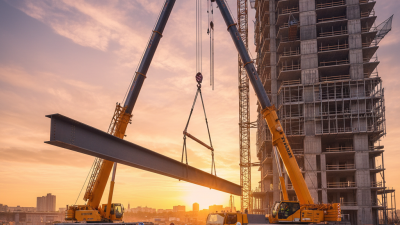
Large hydraulic cranes play a vital role in various industries. They are designed to lift heavy objects and equipment, making complex jobs more manageable. In construction, large hydraulic cranes transport steel beams and concrete modules. Their strength is crucial for erecting skyscrapers or bridges.
In maritime operations, these cranes handle shipping containers. They load and unload cargo from ships, ensuring efficiency in logistics. Large hydraulic cranes can also operate in shipyards for repairs and maintenance. They enable precise movements, reducing the risk of accidents.
Tips: Always ensure the crane is on stable ground before operating. Regular maintenance checks can prevent malfunctions. Training operators on safety procedures is essential.
In mining, hydraulic cranes assist in moving heavy machinery. They help with excavation and transporting mined materials. The flexibility of these cranes allows them to adapt to different terrains and tasks. However, using them on uneven surfaces requires caution.
Tips: Assess the site for potential hazards before lifting. Use spotters to guide the operation when visibility is poor. This can significantly enhance safety and efficiency.
Applications of Large Hydraulic Cranes
Safety Features and Considerations in Crane Use
When using a large hydraulic crane, safety must be a top priority. These cranes can lift substantial weights and require careful handling. Operators should undergo rigorous training to understand the crane's mechanics fully. Familiarity with the controls and features is essential for preventing accidents.
Tips: Always inspect the crane before use. Check for any visible damage or wear. Ensure that all safety devices are functioning. A thorough pre-operation check can prevent unnecessary risks. It’s also crucial to have a spotter; they help maintain awareness of the surroundings.
Proper load management is vital. Overloading the crane can lead to tipping or mechanical failure. Operators should know the crane's load limits. Use load charts to guide decisions. Consider wind conditions and ground stability. These factors can significantly impact safety during lifts.
Tips: Communicate clearly with your team. Use hand signals or radios for coordination. This reduces confusion and enhances safety. Cranes are powerful tools, but only if used correctly and safely. Regular training sessions can help ensure continued competence among operators.