What is a Large Truck Crane? Features, Uses, and Benefits Explained
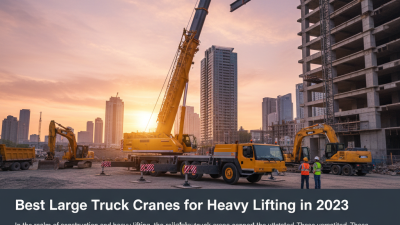
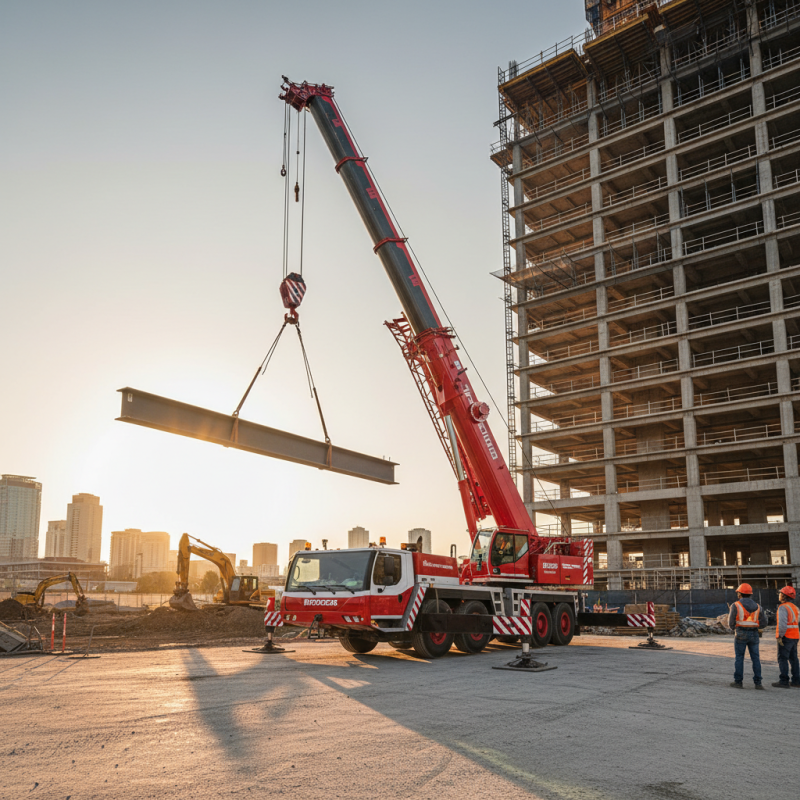
A large truck crane is a versatile and powerful piece of machinery commonly used in construction, transportation, and heavy lifting industries. These cranes are mounted on a truck chassis, allowing them to be easily transported to various job sites, making them an efficient choice for lifting and moving large loads. With their robust design and extended reach, large truck cranes can handle a wide range of tasks, from hoisting steel beams to moving heavy equipment, thereby enhancing productivity on construction sites and other industrial applications.
The features of large truck cranes include advanced hydraulic systems and multiple boom configurations, which provide operators with the flexibility to tackle diverse lifting challenges. These cranes are equipped with safety features that ensure reliable operation, minimizing the risk of accidents. The mobility of a large truck crane allows it to navigate urban environments and tight spaces where traditional cranes may struggle, further highlighting its utility in various scenarios.
In summary, large truck cranes offer significant benefits, including increased efficiency, versatility, and safety in lifting operations. As industries continue to evolve and demand innovative solutions for complex tasks, understanding the capabilities and applications of large truck cranes will be crucial for professionals involved in construction and heavy machinery operations.
Definition of a Large Truck Crane: Key Characteristics Explained
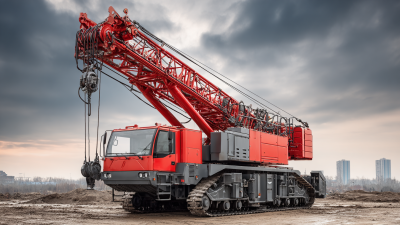
A large truck crane, often referred to as a mobile crane, is a powerful piece of equipment designed to lift and transport heavy loads. These cranes are mounted on a robust truck chassis, providing both mobility and stability for a range of construction and industrial applications. One of the key characteristics of large truck cranes is their telescopic boom, which can extend and retract to reach varying heights and distances. According to the American Crane and Equipment Association (ACEA), the lifting capacity of large truck cranes can range from 20 tons to well over 1,000 tons, making them essential for heavy construction projects, infrastructure development, and emergency response scenarios.
Another notable feature of large truck cranes is their ability to operate on diverse terrains, thanks to advanced hydraulic systems and specialized tires. This versatility allows them to be deployed in urban construction sites, remote locations, and even in environments where traditional cranes might struggle. According to market research from IBISWorld, the demand for large truck cranes is projected to grow at an annual rate of 3.5% over the next five years, driven largely by increased investment in infrastructure and industrial projects. Additionally, the integration of technology, such as load monitoring systems and telematics, has enhanced operational safety and efficiency, making large truck cranes an indispensable asset in modern construction.
Main Features of Large Truck Cranes: Components and Specifications
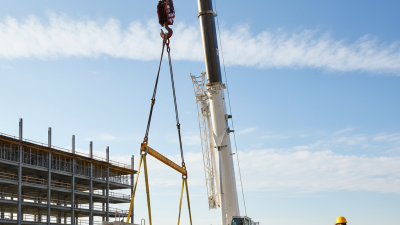
Large truck cranes are specialized vehicles designed for heavy lifting and material handling, equipped with robust features that enhance their functionality. A key component is the telescopic boom, which allows for extended reach and versatility in different lifting scenarios. These booms can vary in length and capacity, depending on the specific requirements of a project. Another critical feature is the crane's hydraulic system, which provides the power for lifting and lowering heavy loads smoothly and efficiently. This system is complemented by outriggers, which provide stability and support during operation, allowing the crane to safely handle substantial weights.
In terms of specifications, large truck cranes often come with varying lifting capacities, typically ranging from 30 tons to over 200 tons, making them suitable for diverse applications in construction, infrastructure development, and heavy machinery transport. The controls for these cranes are usually mounted within the operator's cab, designed for precise maneuverability. Many modern large truck cranes also incorporate advanced safety features, such as load moment indicators and anti-sway technology, which ensure secure operation even in challenging environments. The combination of these components and specifications highlights the essential role that large truck cranes play in enhancing operational efficiency and safety in heavy lifting tasks.
Common Applications of Large Truck Cranes in Various Industries
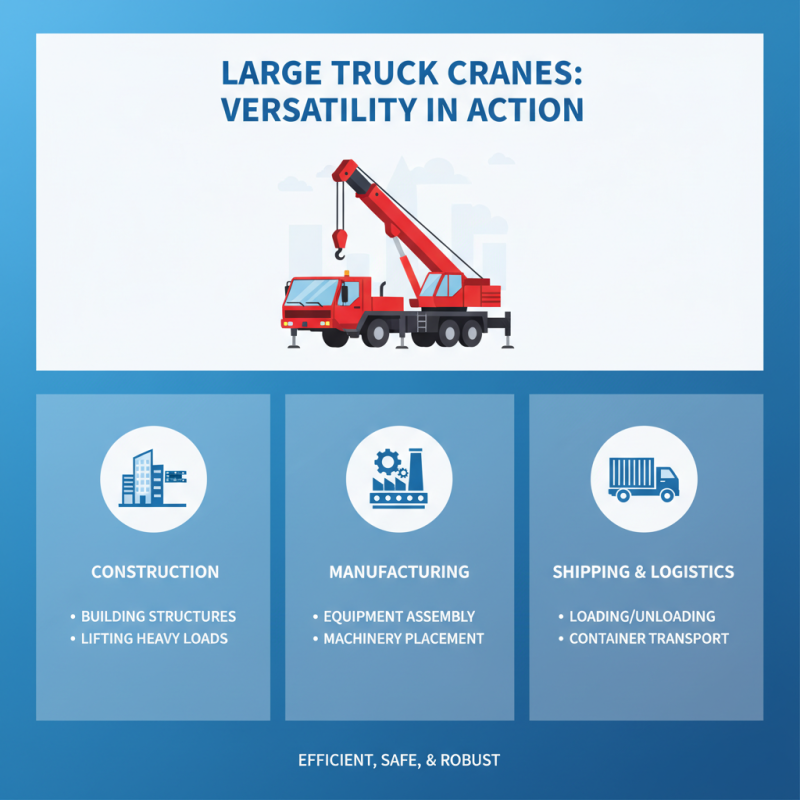
Large truck cranes are versatile machines that play a critical role in various industries. They are primarily used in construction, where their ability to lift heavy loads makes them indispensable for building structures, placing steel beams, and transporting materials. In the manufacturing sector, these cranes facilitate the assembly of large equipment and machinery, while in the shipping industry, they are essential for loading and unloading containers from trucks. Their robust design and high lifting capabilities allow them to operate in challenging environments, ensuring efficiency and safety.
Tips: When utilizing large truck cranes, it's crucial to conduct thorough inspections before each operation. Regular maintenance checks can prevent unexpected equipment failures, ensuring both worker safety and project timelines are maintained. Additionally, proper training for operators is key; investing in comprehensive training programs can enhance performance and reduce the likelihood of accidents.
In addition to construction and manufacturing, large truck cranes are commonly used in the oil and gas industry, especially during the installation of heavy pipelines and drilling equipment. They also find applications in wind energy, where they assist in the erection of wind turbines. Their adaptability to various terrains allows them to support projects in remote or difficult-to-access locations effectively. The use of large truck cranes not only boosts productivity but also contributes significantly to the safe handling of substantial loads across these diverse sectors.
Benefits of Using Large Truck Cranes for Construction and Logistics
Large truck cranes play a vital role in the construction and logistics industries due to their impressive capabilities and versatility. These cranes are designed to lift heavy materials and equipment, accommodating various project requirements. Their mobility allows them to be easily transported between job sites, significantly reducing the time and cost associated with setting up and dismantling traditional static cranes. The ability to navigate through tight spaces and rough terrain makes large truck cranes particularly valuable in urban environments where space is limited.
The benefits of using large truck cranes extend beyond their physical lifting power. They enhance safety on construction sites by reducing manual handling of heavy loads, mitigating the risk of worker injuries. Moreover, large truck cranes contribute to improved efficiency in logistics. They can load and unload material quickly, streamlining operations and allowing projects to stay within tight timelines. Additionally, their remote operation capabilities allow operators to manage lifting tasks from a safe distance, further enhancing workplace safety while maximizing productivity. By integrating large truck cranes into their operations, companies can not only improve their workflow but also ensure a safer and more effective construction or logistics process.
Safety Considerations and Best Practices for Operating Large Truck Cranes
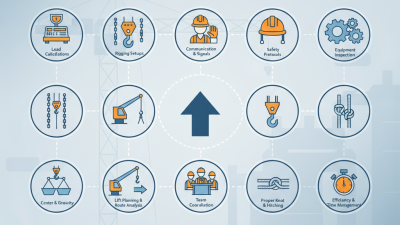
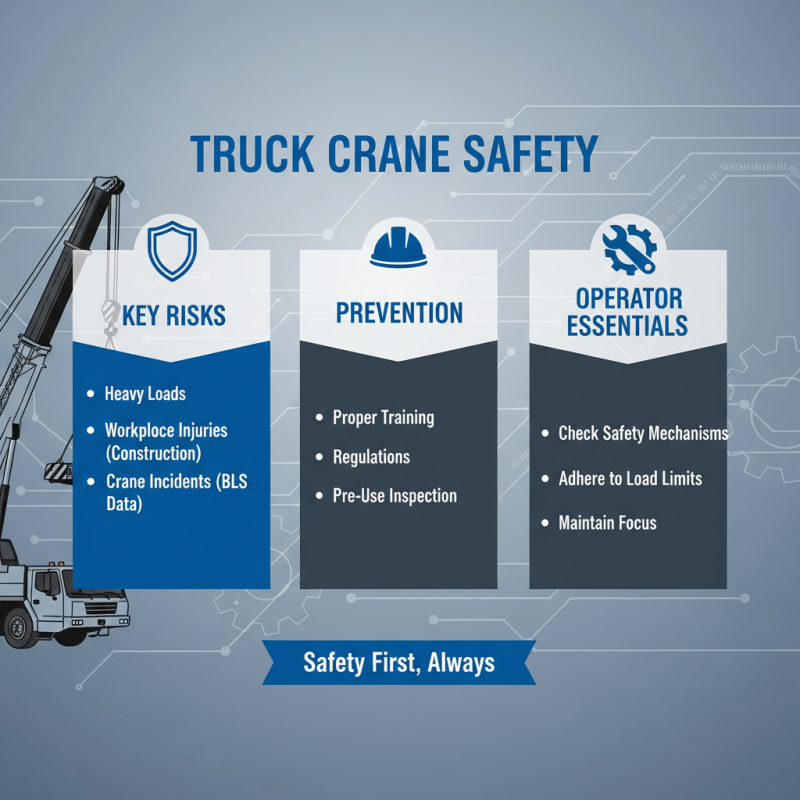
Operating large truck cranes requires a strong focus on safety due to the inherent risks involved in lifting and moving heavy loads. According to the Bureau of Labor Statistics, crane-related incidents account for a significant percentage of workplace injuries, particularly in the construction industry. Proper training and compliance with safety regulations are essential to mitigate these risks. Operators should always inspect the crane before each use, ensuring that all safety mechanisms are functional and that the load limits are adhered to.
When it comes to best practices, one vital tip is to establish a clear communication plan among team members. This includes using hand signals or radios to ensure everyone on site is aware of the crane’s movements and intentions. Additionally, operators should maintain a safe distance from overhead power lines and other potential hazards. The American National Standards Institute (ANSI) recommends regular safety drills and training refreshers to keep operators vigilant and informed about the latest safety protocols.
Lastly, ensuring that the ground conditions are stable and properly prepared is another crucial consideration. Weekly inspections by qualified personnel can identify potential issues with the terrain that could affect crane stability. Always use outriggers and stabilizers when necessary, as they are designed to enhance safety and prevent tipping or instability during lifting operations. Following these guidelines not only enhances safety but can also lead to more efficient and effective crane operations.