What is a Rail Transfer Cart and How Does It Work?
The Rail Transfer Cart is a vital tool in modern logistics and manufacturing. This innovative equipment enhances efficiency in transporting heavy loads across various terrains. According to a recent industry report by Global Market Insights, the rail transfer cart market is projected to grow by 6.5% annually. This growth highlights its significance in optimizing operations.
Renowned industry expert, Dr. Emily Carter, emphasizes the importance of rail transfer carts in warehousing. She states, "Efficient load management is pivotal for today's fast-paced industries." This reflects the need for agile solutions that meet increasing demands. With their ability to operate on rail tracks, these carts facilitate seamless transportation, minimizing time and labor costs.
Despite their advantages, challenges remain. Many users report issues with maintenance and training. Operators need to familiarize themselves with the technology. Continuous improvement in the design and functionality is essential. Rail transfer carts must adapt to evolving industry standards, ensuring reliability and performance.
Understanding the Basics of Rail Transfer Carts
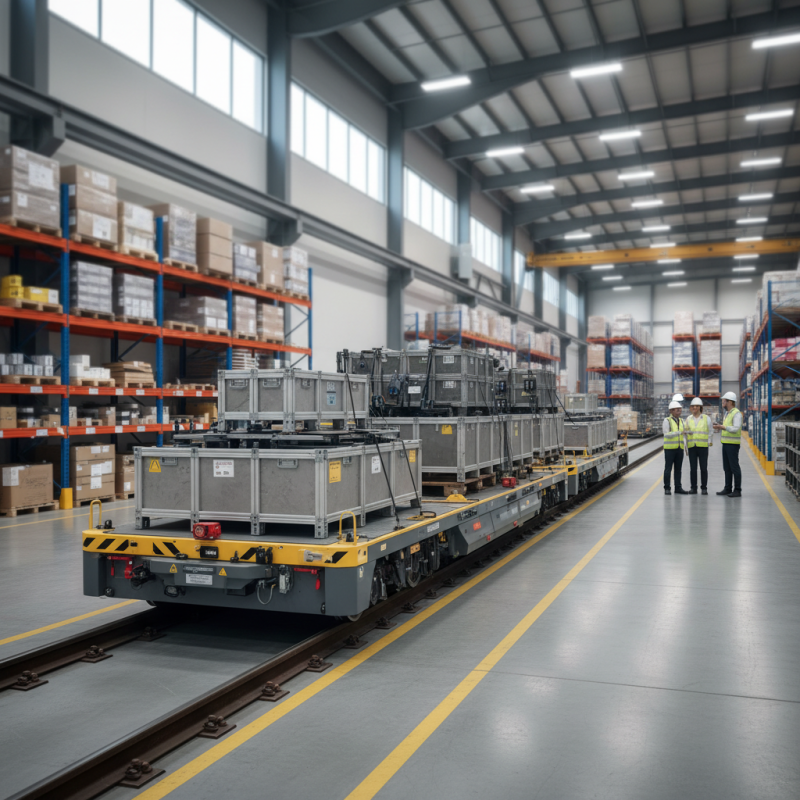
Rail transfer carts are essential in material handling, especially in industrial settings. These carts travel on rails, facilitating the easy movement of heavy loads. Their design allows for efficient transfer of materials between different parts of a facility. By eliminating the need for cranes or forklifts in many cases, they significantly enhance productivity.
Understanding how rail transfer carts work involves looking at their basic components. They typically include wheels that run on tracks, and a robust frame to support heavy items. Some models are powered, while others rely on manual operation. Operators should pay close attention to maintenance. Regular inspections can prevent accidents or malfunctions, which could disrupt operations.
These carts may not always be the perfect solution. Some limitations include their dependency on rail infrastructure. If tracks are poorly maintained, performance can suffer. Moreover, adapting a facility to accommodate rail systems may require substantial investment. Examining these factors helps businesses make informed decisions. It’s crucial to weigh the efficiency benefits against potential drawbacks.
Key Components of a Rail Transfer Cart Explained
Rail transfer carts play a crucial role in industrial settings. Understanding their key components helps in selecting the right cart for specific needs. The primary component is the electric drive system. This allows the cart to move smoothly on tracks. According to industry reports, a reliable electric system can increase operational efficiency by up to 30%. Operators benefit from this efficiency as it reduces manual handling.
Another essential part is the load-bearing platform. This flat surface supports various materials. Rails and wheels are designed for stability and weight distribution. High-quality materials enhance durability, especially in heavy-duty circumstances. A report from the Warehouse Logistics Association states that a well-designed load platform can extend product lifespan by 40%. The cart's maneuverability also depends on wheel type, influencing its performance in tight spaces.
Safety features are vital as well. Emergency stop buttons and anti-collision sensors are primarily designed to protect workers. Regular maintenance is crucial, though often overlooked, to ensure these features work effectively. A recent survey indicated that nearly 20% of accidents in warehouses result from equipment failure. These data points illustrate the importance of understanding rail transfer carts beyond their basic functions, emphasizing the need for continual improvement.
Mechanisms Behind Rail Transfer Cart Operations
Rail transfer carts primarily operate on rails, providing efficient transport for heavy loads across various industrial environments. These carts utilize electric or battery-powered motors, allowing them to navigate autonomously along established tracks. The system's intelligence is often powered by sensors, ensuring real-time data collection and analysis for seamless operation. According to industry reports, the market for rail transfer carts is projected to grow by over 6% annually, driven by increased automation in manufacturing processes.
There are several mechanisms that enable effective rail transfer cart operations. The most common mechanism is the use of rubber tired wheels or steel wheels that can easily glide over rails, minimizing friction. Additionally, the payload can be adapted through modular designs, accommodating various industrial needs. Integrating safety features, such as automatic braking systems, is crucial to preventing accidents. However, some users overlook regular maintenance, which can lead to operational inefficiencies over time.
Tip: Regularly inspect rail tracks and cart systems to ensure optimal performance. Maintaining a clean track environment is essential for minimizing wear and tear. Also, consider investing in smart monitoring technologies that alert operators to potential issues before they escalate.
Advantages of Using Rail Transfer Carts in Industries
Rail transfer carts are essential tools in various industries, designed to move heavy loads efficiently. Their advantages are significant and can transform workflow processes. Using these carts minimizes manual handling, which reduces the risk of injuries. Workers can transport materials with ease, enhancing productivity while maintaining safety standards.
One of the primary benefits of rail transfer carts is their adaptability. They can be customized to suit specific tasks, whether for transporting large machinery or raw materials. Many industries, from manufacturing to logistics, find these carts improve overall operational efficiency. However, companies must ensure the right type of cart is selected for their needs. An ill-fitting transfer cart may lead to inefficiencies or even accidents.
The reliability of rail transfer carts often relies on proper maintenance. Regular checks are essential to avoid malfunction during use. Neglecting maintenance can lead to serious delays and safety hazards. While these carts are robust, improper handling can still pose risks. Thus, training employees on proper usage is crucial. With the right approach, rail transfer carts can be effective assets in streamlining industrial operations.
Safety Considerations When Operating Rail Transfer Carts
Operating rail transfer carts requires attention to safety. These carts transport heavy loads on tracks, which can be hazardous if not handled properly. Employees must be trained on the specific operation procedures. Regular safety checks are crucial. Ensure that the tracks are clear and free of any obstructions before moving the cart.
Communication among team members is essential. Use clear signals to indicate when a cart is in motion. This reduces the risk of accidents significantly. Wearing personal protective equipment, such as helmets and safety shoes, should be mandatory. Engage with the environment; if something feels off, pause and assess the situation. Reflecting on operations can identify areas for improvement.
Tips for safety include routine maintenance checks and clear signaling. Keep emergency contact numbers handy. Establish a standard operating procedure that everyone follows. Continuous feedback and open discussion can enhance the safety culture in the workplace. Emphasize the importance of not rushing tasks. Slower, deliberate actions can prevent accidents. Prioritize safety over speed.