Top 10 Rigging and Crane Techniques for Safe Heavy Lifting

In the world of heavy lifting and construction, safety is paramount, and mastering the best practices in rigging and crane operations is crucial for ensuring efficient and secure lift processes. This article offers a comprehensive guide tailored for professionals in the field. Understanding the intricacies of rigging and crane techniques not only promotes the safety of workers but also enhances the effectiveness of lifting operations, ultimately leading to significant time and cost savings.
Top 10 Rigging and Crane Techniques for Safe Heavy Lifting

From selecting the right equipment to implementing the best lifting strategies, the techniques discussed herein are essential for both experienced riggers and those new to the field. Each technique is designed to address common challenges and hazards encountered during heavy lifting tasks. Furthermore, adhering to these guidelines fosters a culture of safety and accountability in the workplace, highlighting the importance of rigorous training and preparation in the rigging and crane industry. Join us as we delve into these vital techniques that will empower you to lift safely and efficiently.
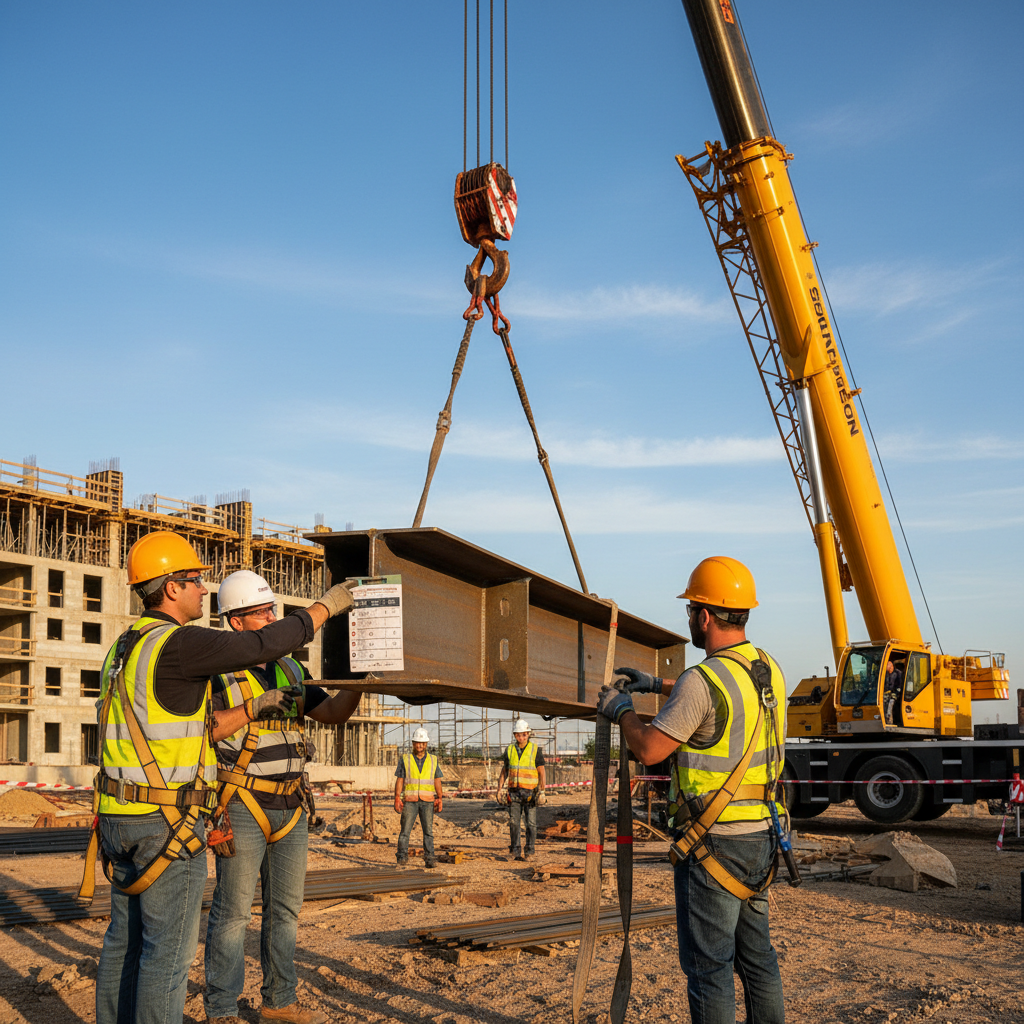
Essential Safety Protocols for Rigging and Lifting Operations

Top 10 Rigging and Crane Techniques for Safe Heavy Lifting

Ensuring safety during rigging and lifting operations is paramount, as improper techniques can lead to catastrophic accidents. According to the Bureau of Labor Statistics, nearly 50% of fatalities in construction-related activities are linked to falls, being struck by objects, and crane accidents. Emphasizing essential safety protocols can significantly reduce these risks. Workers must be trained in the proper use of rigging equipment, including understanding load capacities, inspecting gear before use, and managing the center of gravity for loads.

In addition to proper training, companies are encouraged to implement comprehensive safety checklists and protocols that align with industry standards set by organizations such as the Occupational Safety and Health Administration (OSHA). Regular safety audits and refresher courses can ensure that operators remain proficient in the latest rigging techniques and safety measures. Studies suggest that organizations that prioritize safety training see a 40% reduction in workplace incidents. By adhering to these safety protocols, companies not only protect their workforce but also improve overall efficiency and productivity in lifting operations.
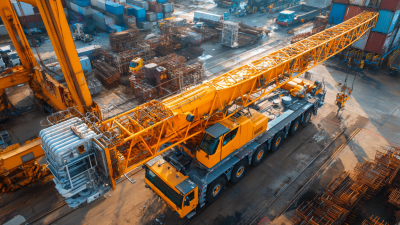

Understanding Load Dynamics and Center of Gravity in Crane Operations

In crane operations, a fundamental aspect of achieving safe heavy lifting is understanding load dynamics and the center of gravity (CG). The center of gravity is the point where the weight of the load is balanced in all directions, and accurately identifying this point is crucial for stability during lifting. According to the American Society of Civil Engineers (ASCE), improper load positioning can lead to an increase in the risk of slippage or tipping, contributing to approximately 50% of all crane accidents.

When lifting, crane operators must consider how the load’s CG shifts as it moves. The National Commission for the Certification of Crane Operators (NCCCO) emphasizes that loads with uneven weight distribution can lead to uneven lifting, making it vital for rigging teams to assess load characteristics before any operation. Reports show that cranes lifting far from their center of rotation can create significant leverage, increasing the potential for tipping; effective rigging techniques and careful calculation of load dynamics drastically reduce these risks, enhancing safety outcomes in the field. Taking these precautions can markedly decrease the incidence of accidents, providing a safer working environment for all personnel involved.

Top 10 Rigging and Crane Techniques for Safe Heavy Lifting

Technique Description Recommended Equipment Safety Considerations
Load Weight Calculation Accurately calculate the weight of the load before lifting. Load Cells, Weighing Scales Ensure the crane’s capacity exceeds the load weight.
Center of Gravity Identification Determine the load’s center of gravity to ensure stability while lifting. Plumb Lines, Measuring Tools Position the center of gravity above the crane’s rotational axis.
Rigging Practices Use appropriate rigging gear to secure the load properly. Slings, Shackles, Hooks Inspect rigging gear before each use for wear and overload.
Boom Angle Optimization Adjust the boom angle for efficient lifting and minimizing the risk of load swing. Crane Operator Controls Monitor boom angle using indicators; avoid steep angles.
Communication Protocols Establish clear signals and communication methods among the crew. Two-way Radios, Hand Signals Conduct communication protocol drills regularly.
Weather Assessment Evaluate weather conditions that may affect lifting operations. Weather Monitoring Tools Delay lifting in severe weather (e.g., strong winds).
Load Test Prior to Lift Perform load testing procedures to ensure equipment reliability. Load Testing Equipment Follow safety protocols during testing.
Surrounding Area Inspection Inspect the surrounding area for obstacles before lifting. Site Survey Tools Ensure a clear path for the crane and the load.
Emergency Response Planning Develop and practice an emergency response plan. Emergency Kits, First Aid Equipment Ensure all crew members are aware of the plan.
Lifting Equipment Inspection Regularly inspect cranes and lifting equipment for defects. Inspection Tools Maintain a detailed record of inspections and repairs.

Best Practices for Equipment Inspection and Maintenance Before Lifting

Ensuring safe heavy lifting requires a rigorous approach to equipment inspection and maintenance. Prior to any lifting operation, it's vital to conduct thorough checks on all rigging and crane equipment. This not only enhances safety but also prolongs the lifespan of the equipment. A systematic inspection checklist should include verifying the integrity of slings, shackles, and hooks, as well as checking for any signs of wear or damage.

Tips: Always document inspection results to establish a history of equipment performance and identify trends over time. Additionally, implement a regular maintenance schedule that includes lubrication, cleaning, and the replacement of worn-out parts. This proactive approach prevents equipment failure and accidents during lifting operations.

Training personnel is equally important. Ensure that all operators and riggers are educated on the latest safety standards and handling techniques. Regular safety drills and training sessions can help reinforce best practices and prepare your team for unexpected challenges. By prioritizing inspection, maintenance, and training, you can create a safer lifting environment and reduce the risk of incidents on the job.

Effective Communication Techniques Among Crew Members During Lifts

Effective communication among crew members during heavy lifting operations is crucial for ensuring safety and efficiency. Clear verbal and non-verbal signals must be established before lifting to minimize misunderstandings. For instance, using standardized hand signals can help coordinate actions when noise levels are high or when crew members are out of direct earshot. Additionally, periodic briefings can reinforce these communication techniques, allowing all team members to understand their specific roles and responsibilities.

Equally important is the implementation of a communication hierarchy. Designating a lead signaler can streamline decision-making processes and ensure that instructions are relayed effectively. This role is essential for facilitating quick responses in dynamic situations when adjustments may be needed. Moreover, using two-way radios can enhance communication, providing instant updates and enabling the crew to remain informed about any changes or potential hazards throughout the lifting operation. By prioritizing effective communication, crews can significantly reduce risk, enhance coordination, and promote a culture of safety during heavy lifts.

Advanced Rigging Techniques for Stabilizing and Securing Loads

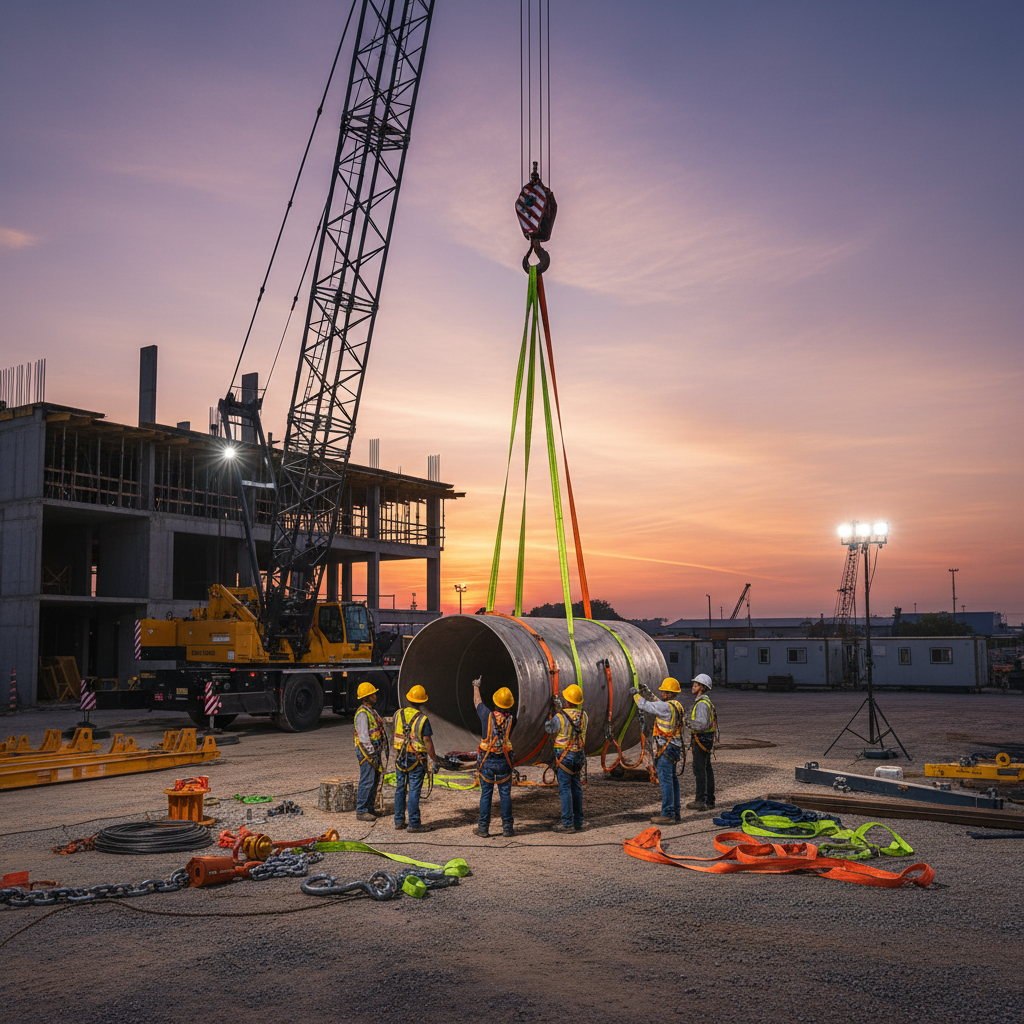
Advanced rigging techniques play a crucial role in stabilizing and securing loads during heavy lifting operations. One of the fundamental methods is the use of rigging hardware such as slings, hooks, and shackles, which must be carefully selected based on the load’s weight and shape. Ensuring that slings are rated appropriately prevents accidents caused by equipment failure. Additionally, utilizing multiple slings in a bridle configuration helps distribute weight evenly, minimizing the risk of load shifting or tipping during the lift.

Another essential technique is the implementation of proper hitching methods. The choice between straight, choker, or basket hitches can significantly impact load stability. For instance, choker hitches provide added security as they tighten around the load when lifted, reducing the likelihood of it slipping. Furthermore, the use of tag lines is advised to control and guide the load as it is lifted and moved. This practice not only enhances precision but also keeps personnel at a safe distance, mitigating the risks associated with swinging or shifting loads.