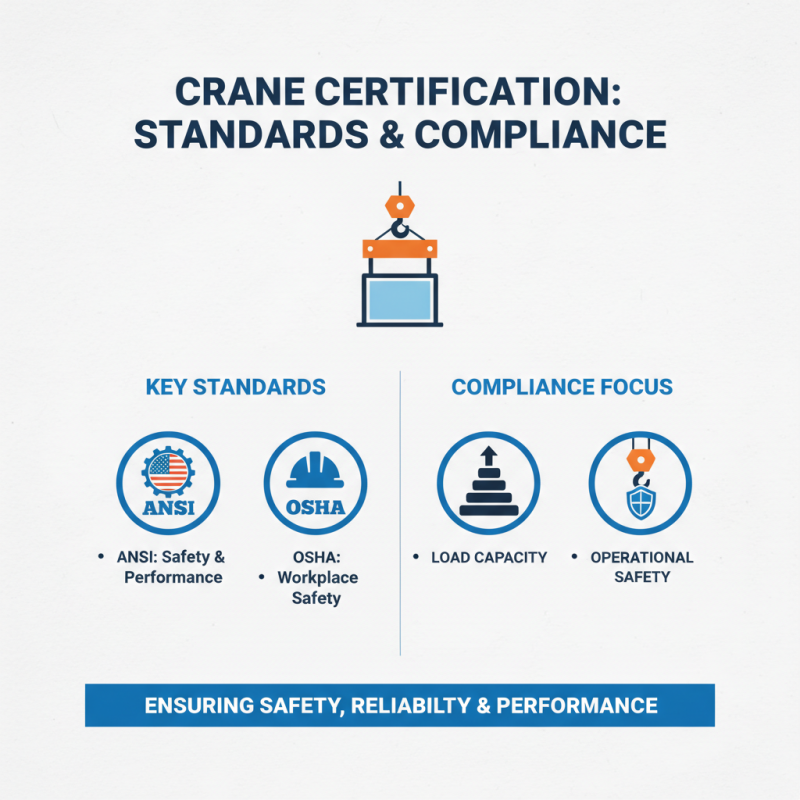
Essential Tips for Choosing a Certified Crane for Your Projects?
Choosing the right certified crane is crucial for the success of your construction or lifting projects. A certified crane ensures safety and compliance with industry standards. These cranes are regularly inspected and meet strict regulations, which is vital in preventing accidents on-site.
Experience matters when selecting a certified crane. It’s important to assess the specific needs of your project. Will you be lifting heavy materials or working in tight spaces? Understanding these requirements helps narrow down your options.
Additionally, evaluate the supplier’s expertise and reliability. Not all certified cranes are created equal. Some may offer advanced features, such as enhanced stability or easy maneuverability. Take time to research and ask for recommendations. This can reveal potential pitfalls and challenges in crane selection. Careful planning now can lead to smoother operations later.
Understanding the Importance of Certified Cranes in Construction Projects
When undertaking construction projects, the choice of equipment is crucial. Certified cranes stand out for their reliability and safety. A certified crane meets strict industry standards, ensuring that it performs well under various conditions. This guarantees workers' safety and project integrity.
Here are some tips to consider.
Check for appropriate certifications. Ensure that the crane's operator is trained and qualified. An experienced operator can significantly reduce the risk of accidents. Look closely at maintenance records. A well-maintained crane operates more efficiently. It also minimizes the chance of unexpected failures during a project.
Understanding the importance of certified cranes helps avoid costly errors. Uncertified equipment can lead to delays and increases in project costs. Also, always assess the weight limits and work conditions for your specific tasks. This can prevent overloading the crane, which is a common oversight. Choosing wisely can make a big difference in the outcome of a project.
Key Factors to Consider When Selecting a Crane for Your Project
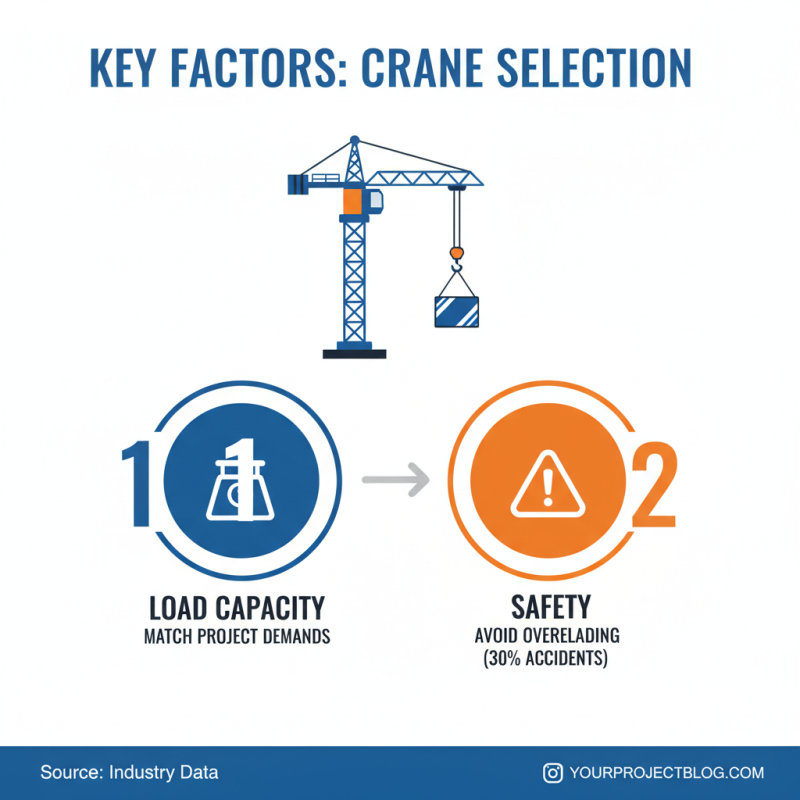
When selecting a crane for your project, understanding key factors is crucial. The crane's load capacity is one of the most important considerations. According to industry data, over 30% of crane accidents stem from exceeding load limits. This highlights the need for precise calculations to match the crane's capacity with your project's demands.
Another vital aspect is the crane's reach. Different projects require varied heights and distances. A report from the American Society of Civil Engineers suggests that improper reach can lead to inefficiencies, costing projects an average of 15% more in labor and downtime. Evaluating your site and the necessary lift heights can prevent these issues.
Lastly, consider the equipment's certification and maintenance history. Cranes should have up-to-date inspections. A study by the Occupational Safety and Health Administration (OSHA) found that approximately 50% of accidents involve poorly maintained equipment. Selecting a certified crane with reliable maintenance records increases safety and reliability, ensuring the project runs smoothly.
Assessing the Load Capacity and Specifications of Cranes
When choosing a crane, assessing load capacity is crucial. Data from the International Cranes and Specialized Transport (ICST) report indicates that 30% of accidents stem from exceeding crane load limits. Each crane has a designated maximum load capacity, defined by the manufacturer. It is essential to understand this capacity when planning lifting operations. The right crane can handle the designated load safely, preventing accidents and damage.
Specifications matter. Consider the crane's reach, height, and environmental conditions. A detailed analysis is necessary to understand how these factors affect performance. For example, cranes operating in high winds may have a reduced load capacity. According to a study by the Crane Industry Council, 45% of operators reported that environmental factors significantly impacted their projects. Having adequate specifications ensures safe and efficient operation.
Regular inspections are essential for maintaining a crane’s reliability. Reports indicate that poorly maintained cranes account for 20% of all equipment failures. Operators must check hydraulic systems, cables, and other critical components regularly. A well-maintained crane can enhance performance. However, neglect can lead to serious issues, including unexpected downtime and increased costs. The decision to choose the right crane must weigh all these factors carefully.
Essential Tips for Choosing a Certified Crane for Your Projects
| Crane Type |
Load Capacity (tons) |
Max Height (ft) |
Boom Length (ft) |
Operating Radius (ft) |
| Tower Crane |
18 |
200 |
180 |
80 |
| Crawler Crane |
50 |
150 |
130 |
90 |
| Truck-mounted Crane |
20 |
100 |
80 |
70 |
| Telescopic Crane |
25 |
120 |
100 |
60 |
| Rough Terrain Crane |
30 |
160 |
110 |
75 |
Comparing Rental vs. Purchasing Options for Certified Cranes
When considering the procurement of certified cranes, the choice between renting and purchasing can be daunting. Renting offers flexibility. It allows project managers to adapt quickly to different project needs. If you only require a crane for a short duration, renting may save money and eliminate maintenance burdens. Moreover, rental companies often provide the latest models. This ensures access to the best technology without significant investment.
On the other hand, purchasing a certified crane can be beneficial for long-term projects. Owning equipment can lead to better cost-effectiveness over time. You have complete control over its usage and maintenance. However, the initial investment is significant. There are ongoing costs for maintenance and potential downtime. Some companies may struggle to allocate resources for these expenses. This leads to crucial reflections on financial management. Understanding your project’s duration and scope will influence your decision. Think carefully about your operational needs.