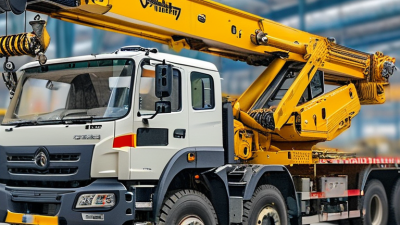
Ultimate Tips for Sourcing a Large Hydraulic Crane?
When sourcing a large hydraulic crane, several factors demand your attention. This machine is essential for construction projects that require lifting heavy loads. Understanding these factors can simplify your search and ensure you choose the right equipment for your needs.
Navigating the market for a large hydraulic crane can be overwhelming. There are many brands and types available. Each has unique features that cater to different applications. It’s crucial to evaluate these options carefully. Rushing could lead to costly mistakes.
Do not overlook the importance of assessing the supplier's reliability. A trusted supplier not only provides quality cranes but also offers crucial support. Asking the right questions can clarify their capabilities. Assessing the crane's specifications is vital for ensuring it meets your project demands. This journey requires careful consideration and a willingness to learn from any missteps.
Understanding Your Project Needs for a Hydraulic Crane
Understanding your project needs for a hydraulic crane is crucial for a successful operation. Begin by evaluating the weight capacities required for your specific tasks. Consider the maximum loads you will lift and the height you need to reach. This assessment directly influences the type of crane you should source.
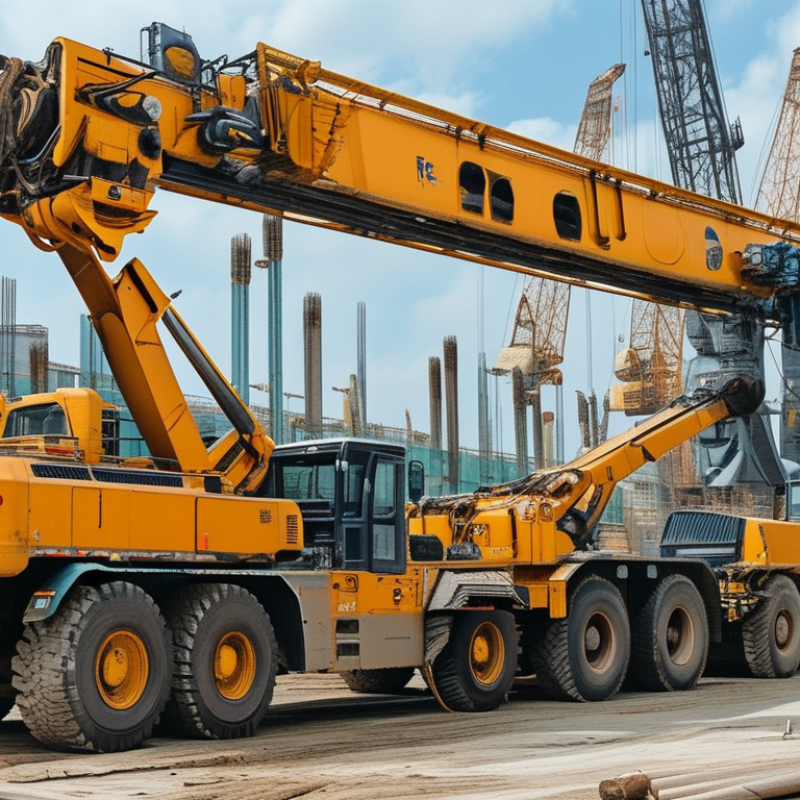
Location logistics matter too. Take time to survey the site where the crane will operate. Is there sufficient space for setup? Are there any overhead obstructions? Understanding the terrain can help determine if you need a crawler or a truck-mounted crane.
When sourcing cranes, do not overlook additional features. Some cranes offer advanced controls for precision and safety. Research the availability of these features versus your project’s requirements. A partially suitable crane can lead to improper handling and delays. Previous project experiences often illuminate gaps in planning. Learning from those can enhance future decisions.
Researching Different Types of Hydraulic Cranes Available
When sourcing a large hydraulic crane, understanding the various types available is crucial. Hydraulic cranes are generally categorized into boom cranes, truck-mounted cranes, and crawler cranes. Each type serves different project needs and has distinct specifications. According to a recent industry report, the global hydraulic crane market is projected to grow by 4.5% annually through 2027. This trend highlights the increasing demand for versatile lifting solutions.
When assessing different hydraulic cranes, consider load capacity, mobility, and operational reach. For example, truck-mounted cranes are ideal for projects requiring mobility. They can easily navigate various terrains, making them a popular choice for construction sites. Meanwhile, crawler cranes offer enhanced stability and lifting power, which is essential for heavy loads. Analyzing operational requirements can guide you toward the best option.
Be mindful of the crane's specifications in relation to your project's needs. Review load charts carefully. Examine how much weight each crane can handle at different radii. Overloading can lead to safety hazards. Additionally, keep maintenance records in mind. Regular upkeep is essential for safety and reliability. Researching these factors thoroughly can lead to better decision-making, ensuring the right equipment is selected for optimal performance.
Evaluating Crane Specifications and Load Capacities
When sourcing a large hydraulic crane, understanding the specifications and load capacities is crucial. Each project has unique requirements. Knowing the specific capabilities of different cranes helps ensure you choose the right one for your needs. Common specifications to assess include maximum lifting height, operating radius, and weight limits.
Tips to consider include assessing the crane's stability features. A crane with a wider base or enhanced counterbalance design offers better stability. Also, review the maximum load capacity. Sometimes, cranes can handle heavy weights but may not perform well in specific conditions.
Additionally, evaluate the hydraulic system's efficiency. An efficient hydraulic system reduces energy consumption and increases productivity. Pay attention to maintenance history, as a crane with frequent issues might be a red flag. Overall, meticulous evaluation leads to better decision-making in crane sourcing.
Comparing Costs and Budgeting for Your Crane Purchase
When budgeting for a large hydraulic crane, it is crucial to consider various factors that influence the total cost. The initial purchase price is only one aspect. According to industry reports, maintenance and operating costs can account for up to 30% of the total expenditure over the crane's lifetime. Factoring these ongoing costs into your budget ensures a more comprehensive financial plan.
Furthermore, it is essential to analyze the costs associated with training operators. Investing in proper training can reduce accidents and improve efficiency. A report from the Occupational Safety and Health Administration indicated that companies with thorough operator training programs saw a 50% decrease in crane-related incidents. This aspect is often overlooked but can have significant financial implications, underscoring the importance of detailed planning.
Additionally, don't forget about downtime costs. A crane that is out of service for repairs can lead to project delays and financial losses. Mechanical failures or delays in parts replacement often result in additional budget constraints. In essence, while the purchase price may initially seem reasonable, the comprehensive costs associated with owning a hydraulic crane can be substantial.
Selecting a Reliable Supplier or Rental Company for Cranes
When selecting a reliable supplier or rental company for cranes, it is crucial to prioritize their credibility. A report from the American Crane and Safety Council indicates that 70% of crane accidents stem from equipment failure due to poor maintenance. Reliable companies invest in regular safety checks, ensuring their equipment meets industry standards. Ask for compliance certifications and maintenance records to verify a company's commitment to safety.
Evaluate customer reviews and testimonials. A strong reputation often reflects quality service. According to a survey by Equipment Rental Industry Association, 85% of companies chose their suppliers based on positive word-of-mouth recommendations. This highlights the importance of peer feedback. Seek references from past clients to gain insight into their experiences.
In the pursuit of cranes, consider the variety of options available. Many rental companies offer flexible terms and conditions. Look for those that provide comprehensive training for operators, as this can enhance safety and efficiency. Observing the supplier's responsiveness can also indicate their professionalism. A prompt response to inquiries is a sign of good customer support.
Hydraulic Crane Supplier Ratings