In the dynamic world of construction and logistics, rigging and crane solutions are vital. The equipment must meet diverse needs. Selecting the right items demands expertise and insight. Global buyers seek efficient and reliable solutions to enhance safety and productivity.
Rigging and crane tools play a crucial role in heavy lifting tasks. Users rely on them daily across various industries. However, not all products fit every situation. The challenge is to identify which solutions work best. This often requires thorough research and analysis.
As we explore the top 10 rigging and crane solutions, it's essential to note their varying features and benefits. Buyers must weigh options carefully. Some products may excel in one area but falter in another. Understanding these nuances helps in making informed decisions.

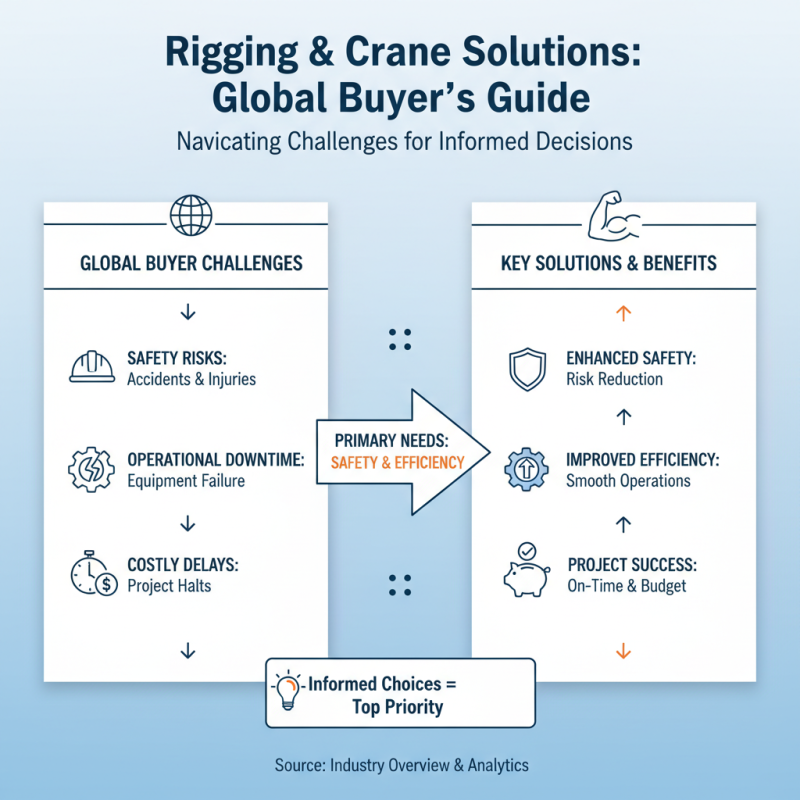
In the realm of rigging and crane solutions, global buyers face diverse challenges. Understanding these challenges is crucial for making informed decisions. The primary need often revolves around safety and efficiency. Proper rigging systems can significantly reduce the risk of accidents. Equipment failures can halt projects, leading to costly delays. Thus, selecting the right solution must be a top priority.
Rigging solutions come in various types. Chain slings, wire ropes, and synthetic slings each have distinct applications. Buyers must carefully assess their specific needs before making a choice. Not all solutions fit every scenario. For instance, using a lightweight synthetic sling for heavy loads can prove disastrous. Consulting with experts can provide valuable insights into safe practices.
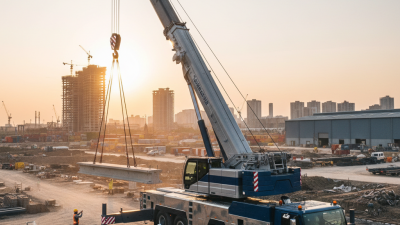
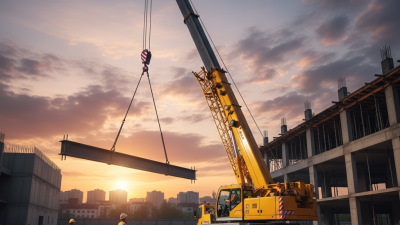
Cranes also play a vital role in construction and industrial operations. Different types of cranes serve different tasks. Mobile cranes offer flexibility, while tower cranes are ideal for high-rise projects. It’s important to consider site conditions and load capacity when selecting equipment. Buyers often overlook these factors, which can lead to inefficiencies. Considerations such as terrain and accessibility can impact the overall success of a project.
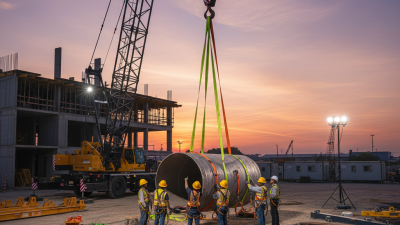
When selecting rigging and crane equipment, several key factors are crucial for global buyers. One important aspect is safety standards. According to a recent industry report, over 30% of accidents in construction come from improper rigging. Equipment that adheres to international safety regulations minimizes risks on site. Buyers should inquire about certifications and testing results to ensure compliance.
Another significant consideration is load capacity and versatility. Statistics indicate that 15% of projects exceed anticipated load requirements. This highlights the need for equipment that can handle diverse loads efficiently. Buyers should assess the range of applications for each piece of equipment. Understanding specific operational demands is vital to avoid costly downsizing or upgrades later.
Finally, supplier reliability cannot be overlooked. A survey found that 40% of buyers experienced delays due to unreliable partnerships. Establishing a relationship with a trusted supplier is essential for ongoing support and maintenance. Analyzing past client testimonials can provide insights into a supplier’s track record. These factors collectively contribute to informed decision-making in the rigging and crane sector.
When exploring the global market for rigging and crane solutions, buyers must consider various manufacturers. Expertise and reliability are crucial in this industry. Many companies offer different types of equipment, ensuring that buyers can find the right fit for their needs. However, not all manufacturers maintain consistent quality. Ensuring that safety standards are met is vital, as equipment failure can lead to serious accidents.
It's important to recognize the diverse range of products available. From slings to hoists, options vary widely. Each company has strengths and weaknesses. Some manufacturers excel in innovation, while others maintain a long-standing reputation for durability. Buyers should conduct thorough research before making decisions. Customer reviews can provide valuable insights but may not tell the whole story.
When engaging with manufacturers, communication matters. Asking the right questions can clarify product capabilities. Some suppliers are quick to provide information, while others may be less forthcoming. This inconsistency can lead to challenges down the line. Understanding details about support services, warranties, and delivery times can significantly influence buyer satisfaction. Buyers must often weigh the benefits of cost against the potential risks of choosing lesser-known brands.
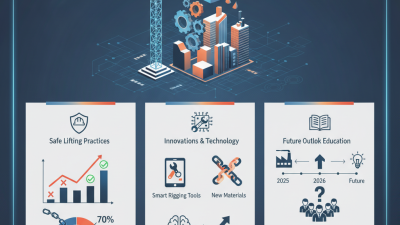
The rigging and crane industry is undergoing rapid transformation due to innovative technologies. Recent reports indicate that the global crane market is projected to grow at a CAGR of 6.5% from 2021 to 2026. This growth is fueled by advancements in automation and data analysis. Many companies are now integrating IoT devices into their systems. These devices improve accuracy and safety during operations.
Smart cranes equipped with sensors can detect load weight and environmental conditions in real-time. This data allows for optimized lifting processes, reducing risks of accidents. In fact, a survey by the National Safety Council found that integrating technology can decrease workplace injuries by up to 25%. However, many companies still rely on outdated methods that can hinder efficiency.
Moreover, augmented reality (AR) is making waves in training and operations. Workers can visualize load paths and receive real-time feedback through AR glasses. Yet, the adoption rate remains low. Many industry professionals express concerns about the learning curve associated with new technologies. This hesitance can lead to missed opportunities for enhancing operational safety. As the industry evolves, embracing these technologies is vital for improving both productivity and safety in rigging and crane solutions.
Maintaining safety in rigging and crane operations is critical. A 2020 report by the Bureau of Labor Statistics showed that nearly 4,800 workers were killed on the job. In many cases, improper rigging practices contributed to these fatalities. Understanding best practices is essential for reducing risks.
Regular inspections can prevent accidents. A study found that 40% of rigging failures were linked to improper maintenance. Implementing a routine checklist for equipment can enhance safety. It should cover hoists, slings, and other lifting accessories. Training workers is equally vital. Only 10% of workforce injuries occurred in companies with robust training programs.
Accidents often stem from a lack of awareness. Even seasoned professionals can overlook details. Failing to secure loads properly remains a common issue. Adopting a culture of safety focuses on constant learning and improvement. Awareness campaigns can remind workers to stay vigilant. Collecting data on near-misses can also help identify gaps in safety protocols. The goal is to create an environment where safety is everyone's responsibility.
| Solution | Key Features | Maintenance Practices | Safety Protocols |
|---|---|---|---|
| Chain Hoists | High lifting capacities, compact design | Regular lubrication & inspection | Use of safety hooks and limit switches |
| Wire Rope Slings | Durability and flexibility | Annual testing and replacements | Proper rigging techniques to prevent slippage |
| Synthetic Slings | Lightweight, resistant to abrasion | Monthly visual inspections | Use of protective pads and covers |
| Crane Plugins | Optimized for remote control operations | Firmware updates and software checks | Emergency stop buttons and alarms |
| Forklift Attachments | Ease in load handling | Daily routine checks for wear | Operator training and load weight monitoring |
| Crane Inspection Services | Detailed structural assessments | Scheduled inspections based on usage | Documentation of safety compliance |
| Lifting Beams | Distributes load evenly | Regular stress tests | Use of safety tags and limit checks |
| Auto Safety Features | Automatic load monitoring | System diagnostics | Regular training on emergency procedures |
| Telehandlers | Versatile lifting capabilities | Monthly maintenance checks | Stability monitoring systems |
| Load Cells | Real-time weight measurement | Calibration every six months | Alerts for overload situations |