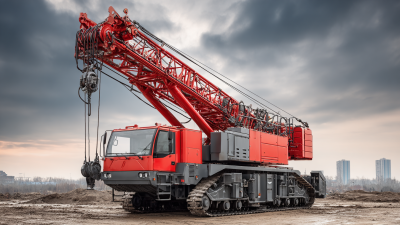
Top 10 Uses of Assist Cranes in Construction and Heavy Lifting
In the construction and heavy lifting industry, assist cranes play a vital role. These powerful machines improve efficiency and safety. By providing additional support, assist cranes enable workers to handle heavy loads with ease. They are essential for various tasks, from lifting steel beams to hoisting construction materials.
Using assist cranes can be challenging. Operators need proper training to ensure safety and effectiveness. Sometimes, there might be limitations on site space. This makes selecting the right equipment crucial. Each project demands careful planning and execution. Misjudgments can lead to costly delays and accidents.
Nevertheless, assist cranes are indispensable tools in modern construction. Their versatility allows for multiple applications. They help streamline operations while minimizing manual labor. As construction projects grow more complex, the demand for assist cranes will only increase. Companies must adapt and innovate to meet these challenges effectively.
Top 10 Uses of Assist Cranes in Construction and Heavy Lifting
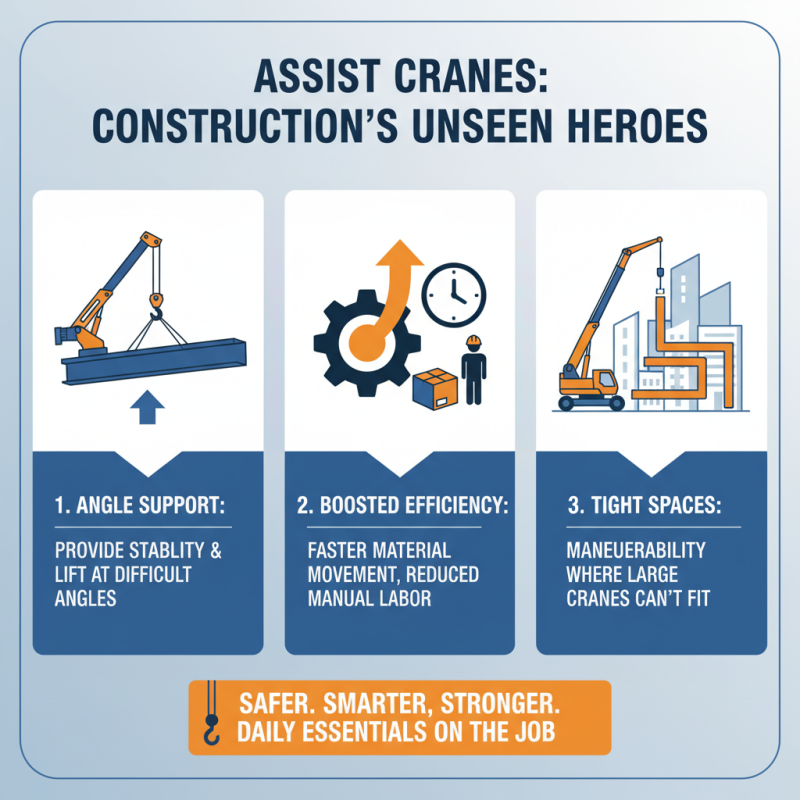
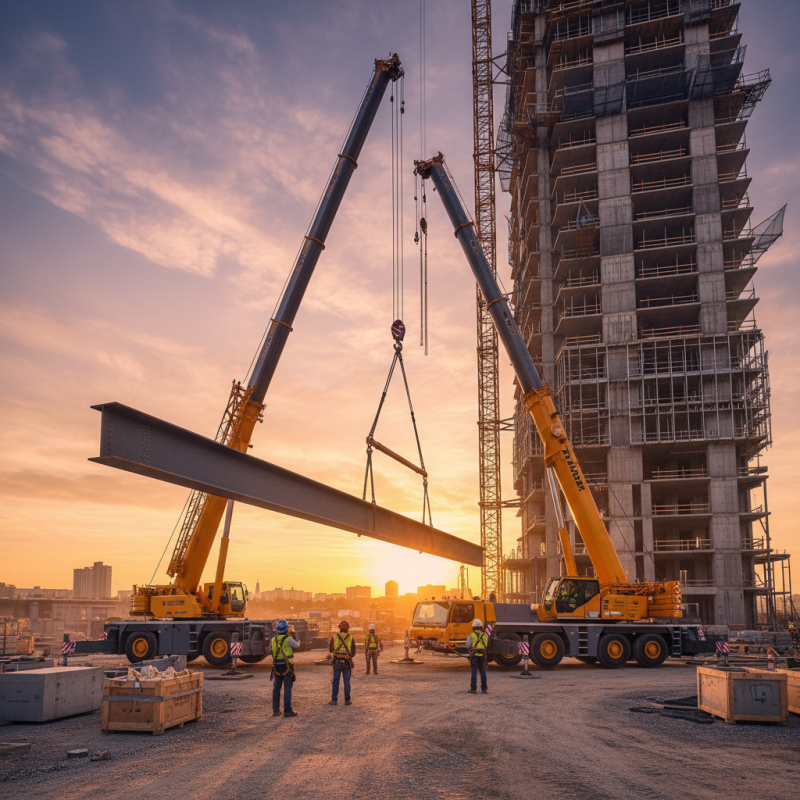
Assist cranes play a vital role in construction and heavy lifting. They provide support at difficult angles and increase efficiency on job sites. Many workers rely on these cranes daily. It allows them to move heavy materials with precision and safety. Construction sites often have narrow spaces. Here, assist cranes prove invaluable, maneuvering easily where larger machines cannot fit.
In complex lifting scenarios, assist cranes offer considerable flexibility. They help lift beams, trusses, and even pre-fabricated sections of buildings. This is crucial for speeding up the building process. However, operators need to be cautious. Miscalculations can lead to accidents. Each lift requires careful planning and teamwork to ensure safety. Crew communication is key. Even with technology, human error can impact lifting operations significantly.
Assist cranes also contribute to reducing worker fatigue. Laborers can focus on their tasks rather than struggling with heavy loads. This improvement enhances productivity but raises questions about reliance on machinery. Are workers losing their lifting skills? Addressing this conundrum is essential for future training and safety. In construction, finding the right balance is always a challenge.
Understanding the Role of Assist Cranes in Modern Construction Projects
Assist cranes play a vital role in modern construction projects. They enhance efficiency in heavy lifting. These cranes help move large materials quickly and safely. They are essential in various tasks, from lifting steel beams to placing precast concrete panels. The use of assist cranes simplifies operations. Workers can focus on more intricate tasks while the crane does the heavy lifting.
**Tip:** Always assess the weight limit before operating an assist crane. Improper loading can lead to accidents. Ensure the crane’s reach aligns with the job site layout.
Construction sites can be chaotic. Cranes are often surrounded by other machinery and workers. Effective communication is crucial. Clear signals should be established between crane operators and ground personnel. Miscommunication can lead to delays and injuries.
**Tip:** Regular training on crane operation is critical. Operators should know the specific functions of each crane model. Unfamiliarity can complicate tasks.
The versatility of assist cranes is impressive. They adapt to different site conditions. However, not all projects need them. Over-reliance on assist cranes can be a mistake. In some cases, manual techniques might be more efficient.
Top 10 Uses of Assist Cranes in Construction and Heavy Lifting
Key Benefits of Using Assist Cranes for Heavy Lifting Operations
**Assist cranes** play a crucial role in construction and heavy lifting operations. They offer various benefits that enhance efficiency and safety. One significant advantage is their ability to lift heavy loads with precision. This capability is essential when working in tight spaces, such as urban construction sites. Operators can maneuver them easily, allowing for accurate placement of materials.
Another benefit is the reduction of labor costs. With assist cranes, fewer workers are needed on-site for heavy lifting tasks. This not only saves money but also minimizes the risk of injury. Safety is a top priority in construction, and using assist cranes can significantly reduce accidents associated with manual lifting. Workers can focus on other tasks, improving overall productivity.
However, there are challenges to consider. Training operators to use assist cranes effectively is necessary. Not all workers may have the required skills initially. Additionally, maintenance is vital to keep cranes in optimal condition. Neglecting regular checks can lead to equipment failure, which could delay projects. It's crucial to reflect on these aspects to maximize efficiency in heavy lifting operations.
Comparative Analysis: Assist Cranes vs Traditional Lifting Equipment
When comparing assist cranes to traditional lifting equipment, several key differences emerge. Assist cranes are more versatile and can easily maneuver in tight spaces. Their design allows for a wider range of lifting angles. In fact, industry reports show that assist cranes can reduce lifting times by up to 30%. This efficiency can directly impact project timelines and costs.
Traditional lifting equipment often requires more setup time and space. It also tends to be limited in its lifting capacity for certain angles. A study by the American Society of Civil Engineers indicated that traditional cranes face significant issues when working in constrained environments. This can lead to increased labor costs and potential delays. Interestingly, 40% of construction delays in urban areas relate to inefficient lifting operations.
Assist cranes also provide better safety features. They are often equipped with advanced sensors and automation technology. This can decrease workplace accidents. However, they can be more costly upfront. Companies need to weigh these expenses against the long-term benefits. The choice between these options is not always clear-cut. Each project has unique needs that must be considered.
Safety Standards and Compliance in Assist Crane Operations
Assist cranes are essential in construction and heavy lifting. However, the safety standards for their operation must be strictly adhered to. Proper training for operators is crucial. They should understand the equipment fully. Each crane type has unique features. Operators must know these traits to prevent accidents.
Regular inspections of the assist cranes are mandatory. Check for wear and tear on ropes and cables. A frayed cable can lead to serious incidents. Ensure all safety devices, like limit switches, are functioning. Operators should conduct thorough pre-lift checks.
**Tip:** Always communicate clearly with your team during operations. Establish hand signals or use radios. Miscommunication can lead to errors.
**Tip:** Review safety protocols often. Encourage team members to voice safety concerns. An environment that allows questions fosters safety.
However, complacency can creep in. Sometimes, teams underestimate risks. Reflecting on past incidents can highlight areas for improvement. Prioritize a culture of safety above all in every lift.
Conclusion
Assist cranes play a pivotal role in modern construction projects and heavy lifting operations. These specialized cranes are designed to enhance efficiency and safety, providing key benefits such as increased lifting capacity and flexibility on job sites. Their use has become increasingly vital, especially when comparing assist cranes to traditional lifting equipment, highlighting their superior adaptability and precision in handling various loads.
In addition to their operational advantages, understanding safety standards and compliance in assist crane operations is crucial for minimizing risks. As technology continues to evolve, advancements in assist crane design and functionality are driving greater efficiency within the industry. This ongoing development not only improves safety but also streamlines processes, making assist cranes an indispensable tool in contemporary construction and heavy lifting scenarios.