Why Choose Mountain Bikes for Global Sourcing?

Why choose a Mountain Bike for global sourcing? The answer begins with changing consumer expectations, varied terrain, and practical transport needs. Buyers want durable products that perform beyond smooth city roads. A well-designed Mountain Bike can meet these demands through strong frames, reliable braking systems, and adaptable tire options. It also offers suppliers opportunities to serve retailers, rental companies, outdoor brands, and fitness users.

Global sourcing requires more than comparing unit prices. Experienced buyers examine frame materials, weld quality, suspension performance, gear systems, and packaging protection. A factory visit can reveal details that a product catalog hides, such as uneven paint, loose cables, or inconsistent assembly. Product samples should be tested on climbs, gravel, wet paths, and repeated braking cycles. Small tests matter.

Supplier reliability also depends on documented quality procedures, clear specifications, production capacity, and responsive communication. Buyers should confirm inspection methods, replacement policies, labeling requirements, and shipping arrangements before placing large orders. Independent testing may help verify performance and material claims. Regional sourcing conditions can also affect lead times and costs.

However, global sourcing is not automatically efficient. Exchange rates change. Ports become congested. Forecasts can be wrong. I have seen attractive quotations lose value after packaging upgrades and quality corrections. That lesson is easy to overlook. A careful sourcing strategy balances price, durability, compliance, service, and long-term reputation. When these factors align, Mountain Bike products can become dependable additions to an international product portfolio, rather than temporary purchasing opportunities.
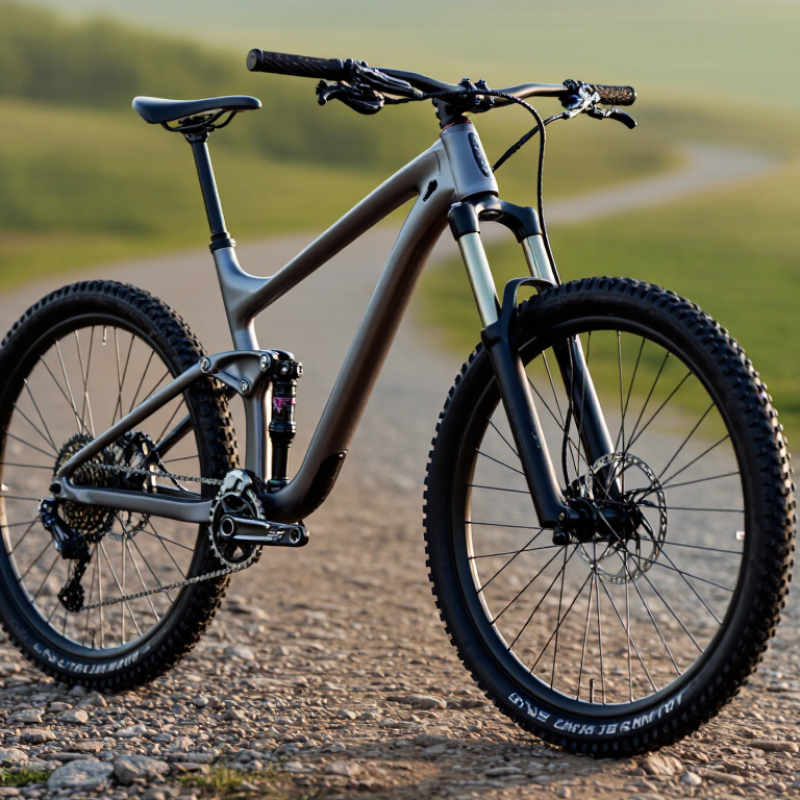
Why Choose Mountain Bikes for Global Sourcing?

Mountain Bikes as a Global Sourcing Category

Mountain bikes are a strong global sourcing category because demand reaches urban commuters, outdoor riders, and developing cycling markets. Their modular structure also supports efficient procurement. Frames, suspension systems, wheelsets, brakes, and accessories can come from specialized suppliers. This creates flexibility, but it also requires disciplined coordination.

Experienced sourcing teams compare more than unit prices. They review frame material, weld quality, component compatibility, packaging strength, and replacement-part availability. A practical inspection may include brake testing, torque checks, suspension movement, and carton drop testing. Confirming destination-market requirements is essential before production begins. Small differences in wheel size or frame geometry can affect rider safety and customer satisfaction. In one project, the spreadsheet looked perfect, but missing spare derailleur hangers caused costly delays. That mistake still deserves attention.

Tips: Request production samples, not only catalog photos. Ask for inspection records and material certificates. Check how suppliers manage batch consistency. Visit the factory when possible, or use an independent inspection service. Keep specifications simple and measurable. For example, define paint thickness, tire pressure, allowable scratches, and packaging dimensions. Do not ignore after-sales support. A reliable sourcing plan considers warranty handling, replacement components, shipping damage, and seasonal demand. Perfect forecasts are rare. Careful revisions are better than confident guesses.

Key Features That Define Mountain Bike Products

Why Choose Mountain Bikes for Global Sourcing?

Mountain bike products combine practical engineering with strong outdoor demand. In supplier evaluations, I examine frame strength, geometry, and finishing quality closely. Aluminum frames offer a useful balance between weight, durability, and cost. Carbon frames can reduce weight, but they require stricter impact testing and skilled production. A stable geometry improves control on loose trails. However, aggressive geometry may feel uncomfortable for casual riders. The right design depends on the target market and riding conditions.

Key features define a dependable mountain bike. Suspension travel should match the terrain, not simply increase the product price. Hydraulic disc brakes provide controlled stopping during steep descents and wet rides. Wide tires improve grip on gravel, mud, and uneven ground. A practical drivetrain should shift smoothly under pressure. Frame clearance, axle standards, and replacement-part availability also matter for global distribution. I once underestimated documentation quality. The product performed well, but incomplete test records slowed buyer approval.

Tips: Request material certificates, brake tests, fatigue results, and assembly instructions before placing an order. Check sample bikes on rocky paths, not only showroom floors. Confirm carton protection with a simple drop test. Ask suppliers how they control torque settings, paint consistency, and suspension seals. Small production differences can affect safety, fit, and customer trust.

Why Choose Mountain Bikes for Global Sourcing? - Key Features That Define Mountain Bike Products

Product Dimension Common Mountain Bike Specification Functional Benefit Global Sourcing Consideration
Frame Material Aluminum alloy is widely used; carbon fiber is common in premium performance models. Aluminum provides a balance of low weight, stiffness, durability, and cost. Confirm alloy grade, heat treatment, weld quality, corrosion protection, and frame testing requirements.
Wheel Diameter 27.5-inch and 29-inch wheels are the principal modern mountain bike sizes. 27.5-inch wheels generally feel agile; 29-inch wheels roll over obstacles efficiently and maintain momentum. Match wheel size with frame geometry, rider height range, tire clearance, fork, and replacement-parts availability.
Suspension Design Hardtail models use a suspension fork; full-suspension models add a rear shock. Suspension improves traction, comfort, and control on uneven terrain. Specify travel length, damping adjustment, service parts, seal quality, and performance testing.
Suspension Travel Cross-country bicycles often use approximately 100–120 mm; trail bicycles commonly use approximately 120–150 mm. More travel supports rougher terrain, while shorter travel generally reduces weight and improves pedaling efficiency. Select travel according to the intended market, terrain, target price, and shipping weight.
Drivetrain 1×10, 1×11, and 1×12 systems are common configurations, with a single front chainring. A single-chainring setup simplifies shifting and reduces front derailleur components. Check gear range, chain retention, replacement compatibility, assembly adjustment, and spare-parts planning.
Braking System Hydraulic or mechanical disc brakes are standard choices; rotor diameters commonly range from 160 to 203 mm. Disc brakes provide reliable stopping performance in wet, muddy, and steep conditions. Verify braking power, heat management, lever ergonomics, rotor alignment, and regional safety requirements.
Tire Profile Off-road tires commonly measure about 2.1–2.6 inches wide, with knobby tread patterns. Wide, textured tires increase traction and stability on loose or uneven surfaces. Consider tread compound, casing strength, tubeless compatibility, local terrain, and replacement demand.
Frame Geometry Mountain bikes typically use a slacker head angle, longer reach, and shorter stem than road bicycles. The geometry improves stability, handling, and rider control on descents and technical trails. Request complete geometry charts, size-specific measurements, fit data, and sample approval before production.
Contact Points Flat handlebars, ergonomic grips, padded saddles, and platform or clipless pedal options are typical. These components influence steering control, comfort, and rider confidence. Define handlebar width, clamp diameter, saddle dimensions, pedal type, and user-adjustment instructions.
Mounting Points Many hardtail frames include bottle-cage mounts; some include mounts for racks, fenders, or accessories. Mounts improve carrying capacity and support commuting, touring, and recreational use. Confirm thread quality, mounting positions, load limits, accessory compatibility, and protection during shipping.
Safety and Testing Common evaluation areas include frame fatigue, brake performance, steering strength, wheel retention, and pedal durability. Testing helps identify structural, assembly, and component risks before market release. Use the destination market’s applicable bicycle standards and retain inspection reports, traceability records, and corrective-action procedures.
Packaging and Logistics Bicycles are commonly shipped partially assembled with protective wrapping, wheel spacers, and reinforced cartons. Partial assembly reduces carton size while protecting sensitive components during transport. Optimize carton dimensions, drop protection, moisture resistance, assembly tools, manuals, and container utilization.

Benefits of Sourcing Mountain Bikes Internationally

Why Choose Mountain Bikes for Global Sourcing?

International sourcing gives mountain-bike buyers access to varied manufacturing skills, components, and production capacity. The European Bicycle Industry and Market Profile 2024 reported about 11.7 million bicycles sold in Europe during 2023, including roughly 5.1 million e-bikes. This demand encourages suppliers to improve suspension systems, aluminum frames, hydraulic brakes, and quality-control processes.

The range is wider internationally.

A buyer can compare frame geometries from one region, component machining from another, and assembly capabilities elsewhere. UNCTAD reports that around 80% of global merchandise trade by volume moves by sea, supporting large-scale movement of bicycles and parts. Consolidated shipments can reduce unit freight costs, especially for seasonal orders. However, a lower factory quote may conceal inspection fees, packaging changes, port delays, or replacement costs. That lesson is easy to miss.

Reliable sourcing requires more than price comparison. Buyers should review material certificates, sample-testing records, production capacity, and traceability for critical parts. Independent audits and pre-shipment inspections can strengthen confidence, although they add time and expense. The International Organization for Standardization’s ISO 4210 framework provides a useful reference for bicycle safety testing, but compliance claims still need verification.

Currency changes, customs procedures, and communication gaps can also disrupt planning. Smaller suppliers may offer impressive craftsmanship but lack consistent documentation. Larger factories may provide stable output, yet their minimum order quantities can restrict flexibility. Global sourcing works best when cost, engineering experience, delivery reliability, and after-sales risk are evaluated together.

How to Evaluate Suppliers and Manufacturing Regions

Why Choose Mountain Bikes for Global Sourcing?

How to Evaluate Suppliers and Manufacturing Regions

Mountain bikes require accurate frames, reliable suspension mounts, and consistent wheel alignment. Supplier evaluation should begin with production evidence, not attractive catalogs. Request recent inspection records, material certificates, and sample units from the same production line. Check weld consistency, paint thickness, bearing seats, and torque markings. Small defects often become expensive warranty problems.

Factory visits reveal more than online meetings. Watch operators assemble several bikes, not just one demonstration unit. Ask how incoming materials are identified and how rejected parts are isolated. A dependable supplier explains corrective actions clearly. However, a polished audit report can still hide rushed production. Independent inspections remain valuable, especially before large orders.

Manufacturing regions should be compared beyond unit price. Assess skilled labor availability, component access, port capacity, transport reliability, and communication hours. Customs procedures and regional trade rules may affect delivery costs. Weather disruptions deserve attention too. A low-cost region is not always efficient. One practical mistake is trusting forecasted capacity without checking peak-season output. Request a pilot order and measure actual lead time, defect rates, packaging damage, and response speed. These results provide stronger evidence than promises.

Quality, Logistics, and Compliance Considerations

Mountain bikes suit global sourcing because their specifications are measurable and widely standardized. Frame alignment, weld penetration, fork clearance, and brake performance deserve inspection before shipment. ISO 4210-2:2023 defines safety and performance requirements for mountain bicycles. Buyers should request test records, material certificates, and traceable batch numbers. A factory photo is not enough. In practice, random sampling often exposes loose headset bearings, uneven paint, or incorrect torque settings. I have found that a simple pre-shipment checklist prevents expensive arguments later, although it cannot replace independent testing.

Logistics can change the real purchase price. UNCTAD’s Review of Maritime Transport 2024 states that shipping carries over 80% of global merchandise trade by volume. Mountain bikes also consume container space because cartons need protective clearance. Suppliers should confirm carton dimensions, pallet plans, moisture control, and spare-part ratios before booking freight. The World Bank’s Logistics Performance Index 2023 collected responses from 4,090 trade professionals across 139 countries. Its framework highlights customs, infrastructure, shipment reliability, and tracking. Those measures matter when seasonal demand meets port delays. Forecasts still fail sometimes.

Compliance must be checked for every destination. ISO 4210 supports technical evaluation, but local rules may add labeling, testing, packaging, or chemical requirements. Importers should map responsibilities under purchase contracts and retain test reports for each model. For electric mountain bikes, battery transport and electrical regulations create additional controls. A compliance matrix is useful. It is not perfect. Product changes, supplier substitutions, and translation errors can quietly invalidate earlier approvals.

How to read this chart: The 2023 World Bank Logistics Performance Index compares customs efficiency, infrastructure, international shipment capability, logistics service quality, tracking, and delivery timeliness on a 1–5 scale. Strong logistics performance can help reduce transit uncertainty for globally sourced mountain bikes. Quality and compliance still require product-level verification, including ISO 4210 safety requirements, applicable national bicycle regulations, packaging tests, inspection procedures, and traceability documentation.
Source: World Bank, Logistics Performance Index 2023. Compliance references: ISO 4210 series, U.S. CPSC 16 CFR Part 1512, and EU General Product Safety Regulation (EU) 2023/988.

Article Source: