An Amorphous Transformer Body Assembly Worktable gives technicians a stable, organized place to position and assemble transformer components. During this stage, careful handling matters. Parts must remain accessible while workers check their fit, alignment, and fastening points. A suitable worktable can help reduce unnecessary lifting and repeated repositioning. It can also keep tools and small components within reach. Small details count.
The right setup depends on the transformer design, component dimensions, lifting methods, and assembly sequence. A table should provide adequate load capacity and a surface suited to the work, but those features need verification against actual production requirements. Adjustable supports or accessible clamping points may help with different body configurations. Still, a worktable alone cannot guarantee accurate assembly. That distinction matters. Technicians need clear procedures, appropriate inspection tools, and training alongside suitable equipment.
There is no single layout that fits every workshop. A table that works well for one production line may feel awkward in another, especially when access or material flow is limited. That deserves a closer look. Before choosing an Amorphous Transformer Body Assembly Worktable, manufacturers can review common assembly tasks, worker reach, and handling needs. Practical feedback from operators is valuable, though it may reveal compromises rather than a perfect solution. A thoughtful selection can support steadier work, safer handling, and more consistent checks without promising results that equipment alone cannot deliver.
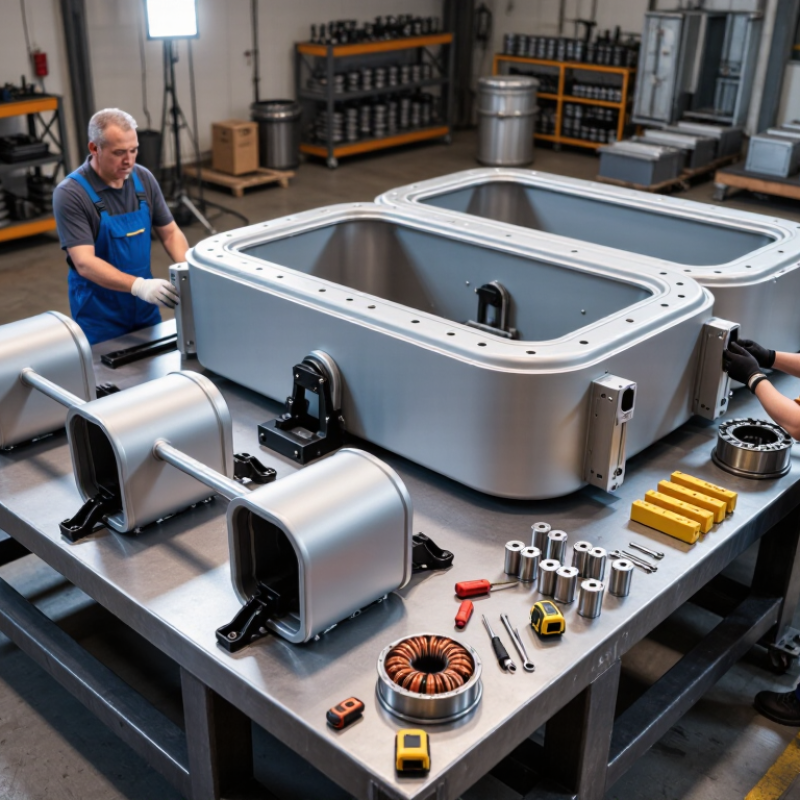
An amorphous transformer body assembly worktable is a purpose-built fixture for positioning and supporting a transformer’s active body during assembly. It is more than a flat bench. A stable frame, adjustable supports, clamping points, and clear access around the workpiece can help crews align components and reach connection areas. Depending on the process, the table may also allow controlled rotation or height adjustment. Small details matter: a slipping support or awkward cable route can slow careful work. Not a magic fix.
The U.S. Department of Energy’s distribution-transformer standards technical support analysis reports that amorphous-core designs can reduce no-load losses by roughly 60–70% versus conventional silicon-steel designs. That figure describes transformer performance, not a worktable’s benefit. The table’s role is practical: support repeatable assembly without damaging delicate core material. IEA’s 2023 Electricity Grids and Secure Energy Transitions report says annual grid investment needs to rise from about $300 billion to more than $600 billion by 2030. Reliable production matters in that context. In practice, each line needs a fixture matched to its body dimensions and handling steps. A table that fits one setup may frustrate another; this is easy to overlook during planning.
An amorphous transformer body assembly worktable should support the core and coil assembly without putting unnecessary pressure on delicate core sections. A rigid frame helps limit movement during fitting, while adjustable supports accommodate different body sizes. Keep contact surfaces smooth and clean. Small details matter.
Useful components include locating stops, padded clamps, tool holders, and accessible lifting points. Stops help maintain alignment as workers position the assembly. Clamps should hold parts securely without crushing insulation or shifting core laminations. Add clear space around the work area for measuring tools and safe hand access. Not everything fits.
Worktable design depends on the assembly sequence, not just the final dimensions. A height suited to the main tasks can reduce awkward reaching, while removable fixtures make cleaning and changeovers easier. Rounded edges and a stable base also help during handling. In practice, the first layout may feel awkward once real components are on it. A trial assembly can reveal blocked access, poor sightlines, or supports that need adjustment. Document those findings and revise the fixture before routine use.
An amorphous transformer body assembly worktable provides a stable, level base for positioning the core and body components. Broad support points help prevent rocking while workers align frames, clamps, and winding assemblies. Adjustable stops and clear reference marks make repeatable positioning easier. Small errors matter. Amorphous alloy cores use thin ribbon, so careful handling and even support can help reduce unnecessary movement during assembly.
A practical worktable also improves access. Workers can bring tools and fasteners within reach, secure components before tightening, and adjust the working height to reduce awkward bending. Lockable wheels may help move a fixture between stations, while leveling feet keep it steady during assembly. The International Energy Agency’s 2023 report, Electricity Grids and Secure Energy Transitions, says annual grid investment needs to exceed USD 600 billion by 2030. That growth makes consistent, efficient transformer production increasingly important, though a worktable alone cannot deliver it.
The details should match the body design and the actual workflow. Check load capacity, clamping positions, surface protection, and clearance for lifting equipment before specifying a table. A very rigid fixture can be limiting when body sizes vary. It may also slow changeovers if adjustments require special tools. A short trial with real components can reveal those issues before the table enters regular production.
An amorphous transformer body assembly worktable can make a crowded build area easier to control. A broad, level surface gives the frame, core parts, and fastening tools defined places during assembly. That matters when technicians move between positioning, tightening, and checking clearances. Keep frequently used tools within reach, and mark bins for fasteners or insulating parts. Small changes help. They reduce repeated searching and unnecessary reaching, while keeping the work sequence visible to the team. A clear staging zone also helps separate parts awaiting inspection from those ready for the next step.
Safety depends on the table’s fit as much as its layout. A stable, load-rated structure, rounded accessible edges, and enough knee and foot clearance can support safer handling. If heavy assemblies need lifting, pair the table with suitable lifting aids rather than asking workers to compensate. This is not automatic. Operators should still follow site-specific handling procedures and keep walkways free of cables and packaging. For production quality, fixtures or locating guides can help hold components consistently while joints are secured. A clean, well-lit surface makes loose hardware, debris, and visible misalignment easier to notice. Still, a neat bench cannot replace measurement or inspection; that limitation is easy to overlook. Adjusting height and tool placement after observing real work may reveal awkward steps a drawing missed.
Why Use an Amorphous Transformer Body Assembly Worktable?
Factors to Consider When Selecting and Using a Worktable
Choose a worktable around the assembly, not a catalogue photograph. Amorphous metal cores are thin and delicate, so the surface should support the body evenly without sharp edges or raised fasteners. Check the table’s rated load against the heaviest core, fixtures, and tools used together. Leave room for lifting aids and safe hand access. A crowded bench invites awkward handling.
Height and layout matter, too. Set the working area near elbow height for frequent tasks, then verify the position with operators and the actual assembly. Add locating stops or adjustable supports when they prevent shifting without pressing on fragile core edges. The U.S. Bureau of Labor Statistics reported 2.6 million nonfatal injury and illness cases in private industry in 2023. That broad figure is not specific to transformer assembly, but it reinforces the value of reducing avoidable handling strain. Small details matter.
Consider cleanability, vibration, and access for inspection. A stable, smooth surface helps prevent debris from marking insulation or entering the assembly. Include space for measuring tools and clear sightlines to check alignment. DOE’s 2016 transformer-efficiency analysis projected about 3.6 quadrillion Btu in energy savings over 30 years from its distribution-transformer standards. Efficient designs demand consistent production, but a worktable alone cannot guarantee quality. Test it loaded. Observe a real build, then revise the layout; the first arrangement may look sensible and still slow the work.