Top 10 Benefits of Using a 350 Ton Crane for Your Projects?
When it comes to heavy lifting, a 350 ton crane stands out as an essential tool for various projects. Its immense capacity makes it suitable for construction, industrial work, and large-scale events. This equipment can significantly streamline operations and improve efficiency on job sites. However, relying on a 350 ton crane requires understanding its benefits and limitations.
Using a 350 ton crane can enhance safety during lifting operations. With skilled operators at the helm, heavy loads can be managed with precision. This reduces risks associated with heavy lifting. Cost efficiency is also a noteworthy aspect. Although the initial rental cost may seem high, the time saved can offset expenses. Additionally, this crane type can handle multiple tasks, which adds versatility.
There can be challenges too. Not every project requires such a massive crane, leading to potential underutilization. Understanding site conditions and load specifics is vital. A thorough assessment can help ensure you’re making the right choice. Ultimately, a 350 ton crane can offer numerous advantages, but careful planning remains crucial for maximizing its potential.
Understanding the Load Capacity of a 350 Ton Crane
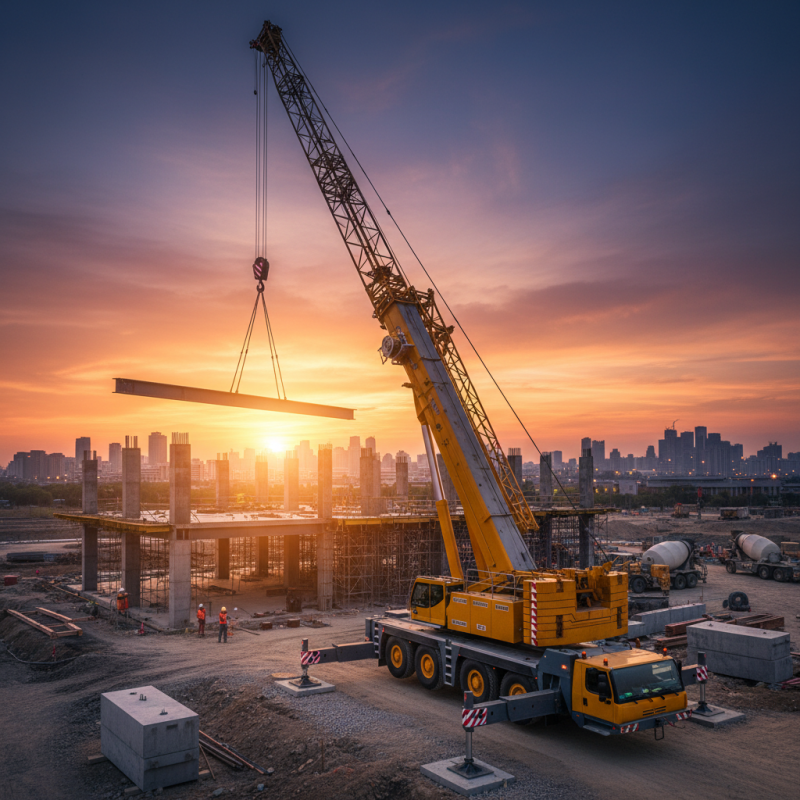
When considering the load capacity of a 350 ton crane, it's essential to understand its significance in large-scale projects. With a maximum capacity of 350 tons, these cranes can lift substantial weights, making them invaluable in construction, manufacturing, and shipping. A study reported in the Journal of Heavy Equipment Engineering noted that properly utilizing such cranes can lead to a 30% reduction in the time needed for heavy lifting tasks. This efficiency can result in lower project costs and safer operations.
When planning a project, consider the specific load requirements. Not all projects will need the full 350-ton capacity. Sometimes, light loads can make a more compact crane a better choice. Understanding your load parameters can enhance operational efficiency.
Tip: Always conduct a thorough site assessment before crane operation. This ensures you account for ground conditions, overhead obstacles, and accessibility.
Additionally, remember to evaluate your crew's experience with such heavy machinery. Qualified operators can ensure safety and maximize efficiency. Training is key to preventing accidents and ensuring that lifts are performed correctly.
Tip: Keep updating safety protocols. Regular training sessions for the crew can mitigate risks associated with heavy lifting.
Efficiency in Heavy Lifting: Why Choose a 350 Ton Crane
When tackling heavy lifting projects, a 350-ton crane stands out. Its efficiency can transform operations. With a load capacity of 350 tons, it can handle substantial materials with ease. This eliminates the need for multiple lifts, saving time and manpower. However, one must consider our site conditions. Not all projects accommodate such massive machinery.
Flexibility is another critical aspect. A 350-ton crane can navigate tight spaces while lifting heavy loads. It has advanced control systems, allowing operators to maintain precision. Yet, operators need training to handle such technology effectively. Misuse can lead to accidents or delays. Thus, investing in proper training is essential, underscoring the importance of expertise in machinery handling.
Cost-effectiveness is also apparent in longer-term projects. While the initial rental fee may be high, the quick completion can lead to overall savings. But, project managers should weigh all expenses before deciding. Unexpected costs may arise with such heavy equipment, highlighting the need for careful budgeting. The right crane choice is pivotal, balancing capacity, efficiency, and site requirements.
Cost-Effectiveness: Budgeting for a 350 Ton Crane in Projects
When considering a 350 ton crane for your project, cost-effectiveness is paramount. According to a report by the Construction Industry Institute, companies can reduce their operational costs by up to 25% when efficiently utilizing heavy machinery. This efficiency is crucial for high-capacity lifts, ensuring projects stay on budget.
Budgeting for a 350 ton crane involves various factors. Rental costs can range from $10,000 to $30,000 per month, significantly impacting project finances. However, when integrated into larger operations, this expense may decrease overall costs. Using a crane can minimize labor hours, reducing expenses related to delays.
Maintenance is another critical aspect. Reports indicate that proactive maintenance can save companies 15-30% in unforeseen repair costs. Without regular attention, machinery may face downtime, increasing expenses unexpectedly. Investing in a crane is not just about initial cost; it’s about long-term financial planning. Clear budgeting and understanding of cost implications are crucial for maximizing the benefits of a 350 ton crane.
Top 10 Benefits of Using a 350 Ton Crane for Your Projects
| Benefit |
Description |
Cost Effectiveness |
| Increased Lifting Capacity |
Can lift heavier loads, reducing the number of trips needed. |
Reduces labor costs |
| Versatility |
Suitable for various types of projects. |
Maximizes equipment utility |
| Time Efficiency |
Completes tasks faster than smaller cranes. |
Shortens project timelines |
| Safety |
Enhanced stability and control for safer operations. |
Reduces accident-related costs |
| Improved Productivity |
Handles larger projects effectively, boosting workforce output. |
Increases overall efficiency |
| Lower Operating Costs |
Fewer cranes needed means lower rental costs. |
Savings on project budgets |
| Advanced Technology |
Modern cranes come equipped with the latest safety and operating features. |
Reduces maintenance costs |
| Environmental Considerations |
Efficient fuel consumption and lower emissions. |
Potential tax savings |
| Expert Support |
Access to skilled operators and support teams. |
Reduces training costs |
| Higher Resale Value |
350 ton cranes maintain their value compared to smaller models. |
Better long-term investment |
Versatility: Applications of a 350 Ton Crane Across Industries
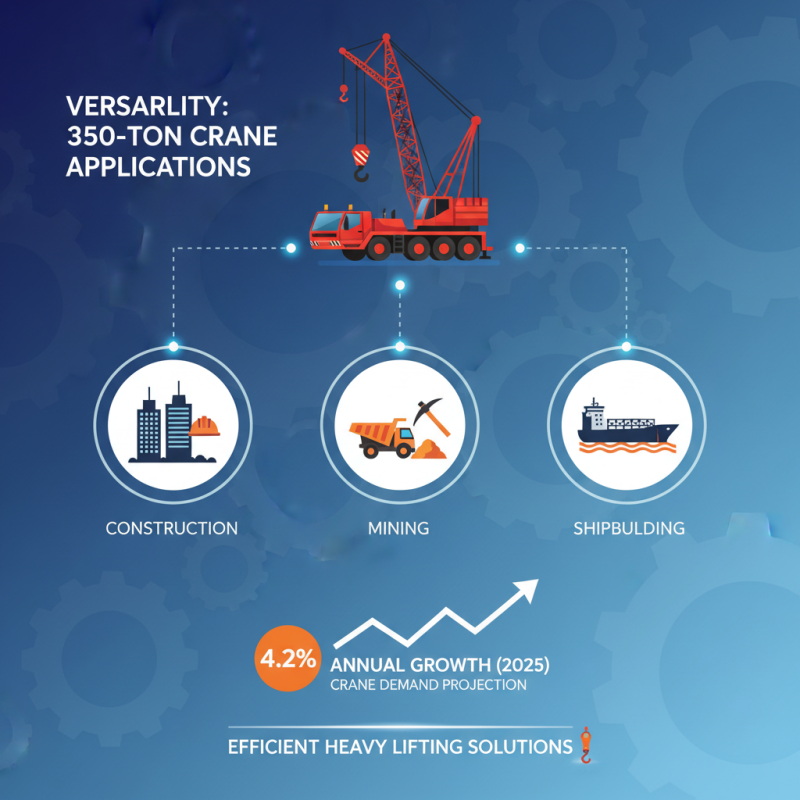
A 350-ton crane is a game-changer in various industries. Its versatility allows it to handle heavy loads in construction, mining, and even shipbuilding. According to industry reports, the demand for cranes is projected to grow by 4.2% annually through 2025. This growth reflects the increasing need for efficient lifting solutions.
In construction projects, a 350-ton crane excels when erecting tall structures or moving large prefabricated components. Its stability and capacity can reduce construction time significantly. With a maximum reach and lifting capabilities that support complex city projects, teams can enhance workflow and productivity. However, it’s crucial to conduct site assessments to ensure the crane’s optimal use.
Tips: Always factor in ground conditions when planning a lift. The crane's weight and size must also be considered. Miscalculating can lead to delays. For mining projects, the lifting power of a 350-ton crane is essential for moving heavy materials. Even minor oversights in planning can cause operational inefficiencies. Therefore, routine maintenance and crew training are vital for safety and reliability.
Safety Features of a 350 Ton Crane Enhancing Project Standards
The safety features of a 350-ton crane are crucial for enhancing project standards. These cranes are equipped with advanced technology that ensures stable lifting and precise placement of heavy loads. Load monitoring systems provide real-time data on weight distribution, preventing potential overload situations. Operators can work with confidence, knowing their equipment is reliable.
Additionally, the cranes come with safety alarms and automatic shut-off mechanisms. These features help avoid accidents and injuries on-site. Certification and regular maintenance checks become essential to ensure these systems function properly. Despite these measures, human error can still occur, highlighting the need for continuous training for operators.
Investing in a 350-ton crane not only improves safety but also increases efficiency. Projects run smoother when risks are minimized. However, it's vital to reflect on past incidents, as each can teach valuable lessons. Emphasizing a culture of safety can lead to better practices and protect everyone involved.