Top 5 Parts of a Crane You Need to Know?
Understanding the "parts of a crane" is essential for safety and efficiency in construction. According to Dr. Sarah Thompson, a renowned expert in crane engineering, “Every part plays a critical role in crane operations.” Her insights highlight the importance of knowing how these components work together.
Cranes are complex machines. Each part has a specific function that contributes to lifting heavy loads. The boom, for instance, determines the reach of the crane. The hoist is responsible for lifting and lowering loads. Understanding these parts helps operators prevent accidents. Unfortunately, many overlook this knowledge, putting both workers and projects at risk.
In a rapidly evolving construction industry, familiarity with crane components is necessary. Ensuring proper maintenance of the parts of a crane can also enhance safety. Regular checks can prevent mechanical failures that could lead to disasters. Mastery of these elements is not just preferred but crucial for effective crane operation.
Key Structural Components of Cranes: Understanding Their Functions
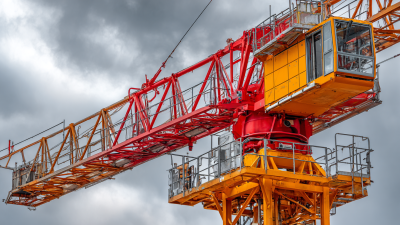
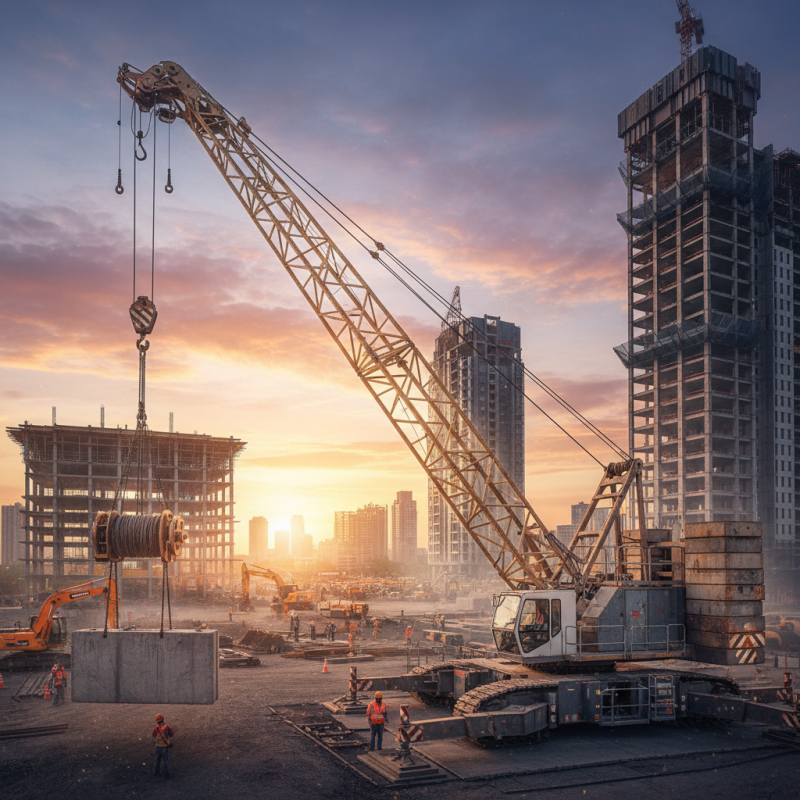
Cranes play a vital role in construction and heavy lifting. Understanding their key structural components is important for ensuring safety and efficiency. The primary parts include the boom, the hoist, the jib, the counterweights, and the chassis.
The boom is the long arm that lifts materials. It can extend to reach high places. The hoist is a pulley system that raises and lowers loads. Together, they determine how much weight can be lifted. The jib also extends the reach but is usually shorter than the boom. It helps with precise placement of materials. Counterweights balance the crane and prevent tipping, which is crucial during operation. The chassis supports the entire structure, ensuring stability.
Operators must know these components well. Mistakes could lead to accidents. For instance, if the boom extends too far without proper counterweights, the crane may tip over. Regular inspections and maintenance are essential. A well-functioning crane prevents costly downtime. Understanding each component’s function is not just helpful; it’s necessary for safe operations.
The Hoisting Mechanism: Types and Operational Efficiency of Cranes
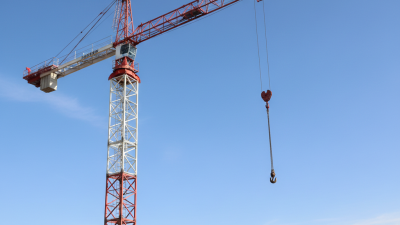
The hoisting mechanism is crucial to crane functionality. It is responsible for lifting and lowering loads efficiently. Understanding the types available can enhance operational performance. Most cranes utilize wire ropes, chains, or belts for hoisting. Each type has unique advantages and challenges.
Wire ropes are popular due to their strength and flexibility. They can handle heavy loads but require regular maintenance. Chains are durable but can be heavier, affecting the crane's overall efficiency. Belts offer smoother operations, yet they may not support very heavy loads. Operators must match the hoisting mechanism to the task at hand for optimal results.
Selecting the right mechanism involves assessing load weight and workspace. Operators must consider factors like safety and wear over time. Often, cranes face unexpected challenges that reveal weaknesses in their hoisting systems. This necessitates continuous improvement and training for operators. Embracing a learning mindset can help ensure cranes perform safely and efficiently.
Importance of Crane Stability: Factors Affecting Load Distribution
Crane stability is crucial for safe operations. It directly impacts load distribution and overall safety during lifting tasks. When the center of gravity shifts, the crane's stability is compromised. Operators must understand this to prevent accidents.
Several factors affect crane stability. The type of load being lifted plays a significant role. Uneven or excessive weight can lead to tipping. Additionally, environmental conditions such as wind can affect balance. Operators should assess these factors before proceeding.
Proper setup is vital. Ensuring that the crane is on stable ground is essential. Even small variations in the terrain can have serious implications. Regular training and awareness are key for operators to recognize risks. Remaining vigilant can save lives and equipment.
Controls and Safety Features: Ensuring Safe Crane Operations
Crane operations hinge on controls and safety features that ensure effective and secure lifting. Operator controls must be intuitive. They should allow workers to make immediate adjustments. Simple touch buttons and joysticks can provide precision. Understanding these controls is essential. It aids in avoiding potential mishaps on-site.
Safety features are equally important. Load limits need clear displays. If a crane exceeds its capacity, it could lead to disastrous outcomes. Warning alarms must function without fail. They alert operators of any potential issues. Regular checks and maintenance are necessary. Neglecting them might lead to unforeseen accidents.
Training for operators is not always thorough. Some may overlook the importance of their role. Understanding both the controls and safety features should be mandatory. This prevents complacency. Encouraging regular drills can help keep safety at the forefront. Real-world experience shows that preparation matters immensely in ensuring safe crane operations.
Top 5 Parts of a Crane You Need to Know - Controls and Safety Features: Ensuring Safe Crane Operations
| Part Name |
Description |
Safety Features |
Control Mechanism |
| Boom |
The long arm of the crane used to lift and move loads. |
Load Monitoring Sensors |
Hydraulic Controls |
| Cab |
The operator's seat and control area for operating the crane. |
Emergency Shut-off Switch |
Joystick and Buttons |
| Counterweights |
Weights attached to the crane to stabilize it during lifting. |
Stability Monitoring |
Automatic Leveling System |
| Sling |
A device used to secure loads for lifting. |
Load Indicator |
Lifting and Hoisting Device |
| Trolley |
A wheeled device that moves a load along the length of the boom. |
Overload Protection |
Remote Control System |
Maintenance Best Practices: Extending Crane Lifespan and Performance
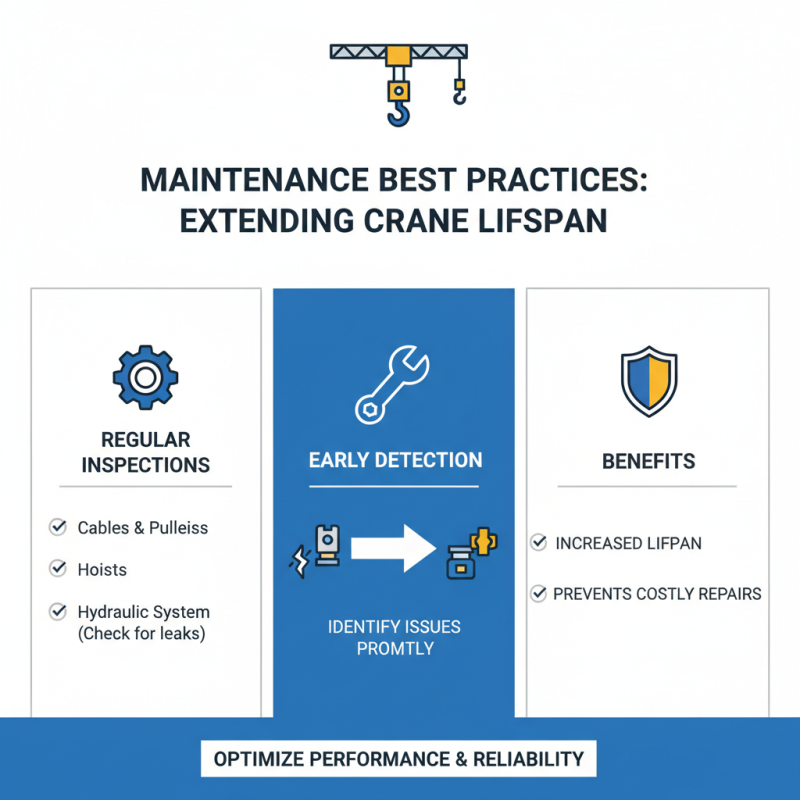
Proper maintenance of cranes is vital for enhancing their lifespan and performance. Regularly inspecting parts like cables, pulleys, and hoists can help identify potential issues early. Inspecting the hydraulic system is crucial, as leaks can affect efficiency. Addressing these problems promptly prevents costly repairs down the line.
Cleaning is an essential yet often overlooked practice. Dirt and debris can cause wear, impacting the crane’s operation. Lubrication of moving parts reduces friction, ensuring smooth functionality. Operators should not neglect the importance of training. Well-trained personnel can recognize signs of wear that might suggest the need for maintenance.
Incorporating a maintenance schedule can lead to more reliable performance. This schedule should include routine checks, cleaning tasks, and necessary repairs. However, sometimes, schedules are not followed strictly. Delays in maintenance can lead to accidents. Being proactive not only extends the crane's life but also enhances overall safety in the workplace. Remember, a crane’s well-being reflects in its performance.