How to Choose the Best Large Hydraulic Crane for Your Needs?
Choosing the right large hydraulic crane for your project can be daunting. With so many options available, knowing which features matter most is crucial. According to James Whitmore, a renowned expert in crane operations, "Selecting the right crane can define the success or failure of a project." This insight underlines the importance of understanding your specific needs.
A large hydraulic crane comes with various capabilities and specifications. Knowing your project requirements is vital. Consider load capacity, boom length, and maneuverability. Each project has unique challenges, and the wrong crane choice can lead to costly delays. Reflecting on your past experiences can guide your decision-making.
Furthermore, consulting industry professionals can provide valuable perspectives. Even seasoned operators may overlook certain features that could optimize performance. Be open to feedback, and think critically about your choices. A well-informed decision will ensure safety and efficiency in your work.
Understanding Your Lifting Requirements and Specifications
When selecting a large hydraulic crane, understanding your specific lifting requirements is crucial. According to industry reports, approximately 70% of crane accidents stem from inadequate understanding of load specifications. Knowing the weight and dimensions of materials is the foundation for safe operations.
Specify the maximum load capacity needed. Cranes typically range from 10 tons to over 1,000 tons. Lifting height also plays a vital role. Studies reveal that around 30% of accidents are related to improper height assessment. Be aware of environmental factors as well, such as wind speed and ground conditions, which can affect lifting operations.
Evaluate the crane's reach and stability. A crane with an insufficient boom length may struggle with distance. It's essential to consider boom angle as well. A report by the American Crane and Rigging Association highlights that load shifts typically occur when the boom angle is too steep.
Always reflect on these details as they can significantly impact both efficiency and safety on job sites.
Evaluating Different Types of Large Hydraulic Cranes
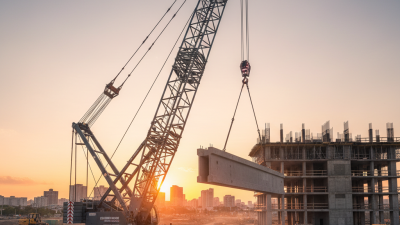
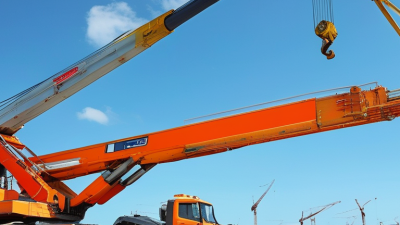
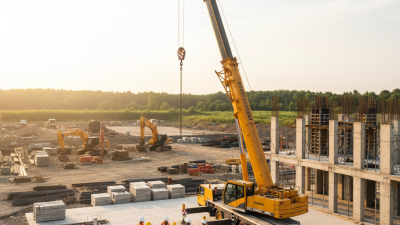
When evaluating large hydraulic cranes, it's crucial to consider several key types. Mobile cranes offer flexibility, being easy to transport and suitable for various terrains. Tower cranes provide exceptional lifting height and capacity, making them ideal for construction sites. Crawler cranes are equipped to handle off-road conditions, thanks to their tracks. Each type has its advantages and limitations.
Tip: Assess your project requirements before selecting a crane. For example, if you need to lift heavy materials over great heights, a tower crane may be your best bet. In contrast, if versatility and mobility are priorities, a mobile crane could be more suited to your needs.
According to industry reports, the global market for hydraulic cranes is projected to grow by approximately 5.6% annually. This indicates a rising demand for effective lifting solutions across various industries. However, the costs can vary significantly based on the crane's capacity and type. Investing in the appropriate crane not only enhances efficiency but may also reduce operational delays. Consider the long-term implications of your choice.
Assessing Crane Capacity, Reach, and Stability Factors
When selecting a large hydraulic crane, assessing capacity, reach, and stability is essential. Crane capacity defines how much weight it can lift. Industry reports indicate that cranes with higher capacities can often operate more efficiently on larger sites, particularly in construction. For instance, a crane rated at 100 tons often has a better load management system. This system ensures safety and efficiency.
Reach is another critical factor. It determines how far the crane can extend its boom. A crane with a longer reach allows for greater flexibility on job sites. Sometimes, project managers underestimate this aspect. In some cases, cranes that fall short in reach can lead to inefficient task execution.
Stability should never be overlooked. A crane must maintain balance while lifting heavy loads. According to safety guidelines, a crane's stability is influenced by its design, the ground conditions, and the load configuration. Proper assessment of these factors can significantly reduce job site risks and unexpected failures.
When choosing a crane, these aspects deserve careful reflection. Even experienced professionals can overlook them. Evaluating the requirements for your specific project is crucial. Continuous training and updates on crane technologies can enhance decision-making. Understanding these critical variables leads to a more efficient and safe operation.
Comparing Brands and Models for Reliability and Performance
When selecting a large hydraulic crane, brand and model comparisons are crucial for ensuring reliable performance. Industry reports indicate that equipment failure rates can significantly impact project timelines. For instance, studies show that cranes from manufacturers with robust safety records experience 30% fewer onsite incidents. This statistic underlines the importance of choosing well-regarded brands.
Before deciding, consider weight capacity and lift height. These two specifications vary widely among models, affecting operational efficiency. For example, cranes with a minimum lift capacity of 50 tons can support heavier loads, thus broadening their application range. Yet, models designed for high weight capacities may be less agile, necessitating a careful balance between capacity and maneuverability.
There is also the aspect of maintenance. Regular upkeep is essential to prolong the life of hydraulic systems. Reports suggest that cranes requiring more frequent repairs can incur costs up to 15% higher annually. This brings into focus the need for researching a crane's history of reliability and performance. In this turbulent market, new models often promise cutting-edge technology but may lack field-tested durability. A reliance on manufacturer specifications alone can lead to disappointments. Thus, gaining insights through user reviews and expert analyses is vital for informed choices.
Comparison of Large Hydraulic Cranes: Performance and Reliability
Budget Considerations and Financing Options for Crane Acquisition
Acquiring a large hydraulic crane involves significant budget considerations. The initial cost is just the beginning. According to industry reports, companies often underestimate ongoing expenses. Maintenance, insurance, and operational costs can add up quickly. Some studies suggest that operational costs can run 20% to 30% of the purchase price annually.
Financing options are crucial for managing these expenses effectively. Many companies turn to equipment financing. This allows them to spread out payments over time while conserving cash flow. Reports indicate that structured loans can result in lower monthly payments. However, careful vetting is essential. Poor financing choices can lead to higher interest costs.
Ultimately, budget planning must consider both acquisition and ongoing financial responsibilities. A clear financial strategy helps secure the right equipment while avoiding overextension. Understand the full scope of costs to make informed decisions. An informed approach leads to better long-term satisfaction and operational success.