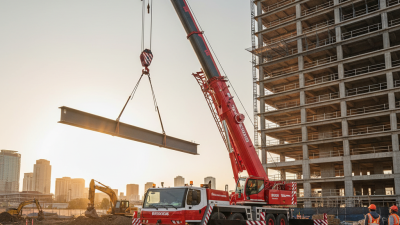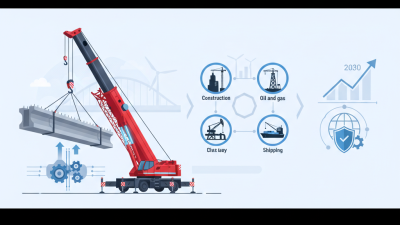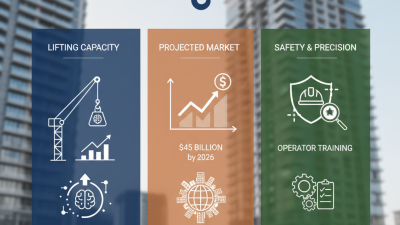
A heavy machinery crane is more than a steel boom, wire rope, and powerful engine. It is a controlled lifting system designed to move massive loads safely across construction sites, ports, factories, and infrastructure projects. From a distance, its operation looks simple. The hook rises, travels, and lowers. Behind that movement, however, hydraulic pressure, counterweight balance, load charts, ground conditions, and operator judgment must work together.
Mike Parnell, a respected crane-safety instructor and lifting-industry specialist, has emphasized, “Planning the lift is the most important part of the lift.” That principle explains how a heavy machinery crane works in practice. The operator studies the load weight, lifting radius, boom angle, wind conditions, and available ground support. Hydraulic cylinders extend the boom. Hoist drums control the wire rope. Counterweights resist tipping forces. Sensors and limit devices provide additional protection, but they cannot replace careful decisions.
Even advanced equipment has limits. A dry-looking work area may hide weak soil beneath the surface. A load may weigh less than the crane’s rated capacity yet become dangerous at a greater radius. Small mistakes can grow quickly. This guide will examine the main crane types, their lifting mechanisms, essential safety controls, and the practical factors that determine performance. It will also question a common assumption: more lifting power does not always mean a safer or better lift. Reliable crane work depends on matching the machine to the task, not forcing the task onto the machine.
A heavy machinery crane is a mobile or fixed lifting machine designed to move very heavy loads vertically and horizontally. It uses a boom, wire ropes, pulleys, hooks, and counterweights. Hydraulic systems often control boom movement, while electric or diesel power drives the lifting equipment. The crane’s rated capacity depends on boom length, working radius, ground strength, and load balance. A longer radius usually means less lifting capacity. The U.S. Bureau of Labor Statistics recorded 1,069 construction fatalities in 2023, showing why controlled lifting practices matter.
Operators inspect ropes, hooks, brakes, outriggers, and warning systems before work begins. ISO 4309 provides guidance for inspecting and discarding damaged wire ropes. Load charts must match the actual configuration, not a convenient estimate. Uneven ground can shift a crane’s center of gravity within seconds. The model is useful, but never complete. Wind, poor visibility, and human judgment still create uncertainty. In my experience, small setup errors often produce the largest risks.
Tips: Keep the load low during initial movement. Confirm the ground can support each outrigger. Use a trained signal person when visibility is limited. Record inspection findings clearly. Stop work when wind conditions exceed the equipment’s approved limits. A short pause may prevent a long repair.
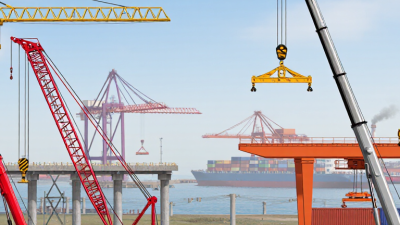
A heavy machinery crane combines a structural frame, lifting system, and control equipment. The boom or mast provides reach and transfers forces into the base. A wire rope, sheaves, and hook block raise the load. Hydraulic cylinders may extend the boom or adjust its angle. On mobile cranes, outriggers spread the reaction forces across the ground. Small details matter. A damaged sheave can increase rope wear quickly.
The operator depends on the cab controls, load moment indicator, brakes, and emergency systems. The load chart shows capacity at specific radii, boom lengths, and working angles. It is not a rough suggestion. OSHA’s 29 CFR 1926.1412 requires documented crane inspections, while 1926.1402 addresses ground conditions. These requirements reflect recurring hazards, including overturning and dropped loads. The U.S. Bureau of Labor Statistics also tracks crane-related fatal work injuries through its Census of Fatal Occupational Injuries, showing why component checks cannot be treated as paperwork.
In practice, technicians inspect rope lay, hook deformation, hydraulic leaks, and outrigger settlement. They also verify that the counterweight matches the approved configuration. I have seen teams focus on the hook while overlooking uneven soil beneath one outrigger. That is a serious blind spot. Engineering calculations are essential, but field judgment still matters. Weather, visibility, and changing load geometry can defeat an otherwise correct lifting plan.
What Is a Heavy Machinery Crane and How Does It Work?
A heavy machinery crane uses a steel structure, hoist, and lifting mechanism to raise large loads. The boom reaches outward from the crane body. A wire rope, hook, or lifting attachment connects to the load. Hydraulic cylinders or electric motors create the force needed to lift it. The counterweight balances the machine and reduces tipping risk.
The lifting process starts with a load assessment and a check of the crane’s capacity chart. The operator raises the hook slowly, keeping the load centered beneath the boom. This prevents sudden swinging. After the load clears the ground, the crane can rotate, travel, or adjust its boom angle. Some cranes use a trolley to move loads along the boom. Smooth movements matter. A small planning error can shift the center of gravity and strain the equipment. Even experienced crews may need to pause and reassess changing ground conditions.
Tips: Inspect ropes, hooks, brakes, and hydraulic lines before operation. Confirm the ground is stable and level. Use clear signals between the operator and the lifting team. Keep people outside the load’s travel path. Never exceed the rated capacity. Wind can make a suspended load unpredictable, so lifting may need to stop. Real work is not always perfectly controlled. Careful observation remains essential.
A heavy machinery crane is a powered machine that uses a boom, hoist, wire rope or chain, sheaves, and lifting attachments to raise, lower, and move suspended loads. The specifications below are representative industry ranges and vary according to the crane configuration, load radius, ground conditions, and manufacturer requirements.
| Crane Type | Primary Lifting Mechanism | Typical Rated Capacity | Typical Working Reach or Height | How It Moves Loads | Common Applications |
|---|---|---|---|---|---|
| Mobile Crane | Hydraulic cylinder and telescopic boom with wire-rope hoist | Approximately 10–1,000 tonnes, depending on configuration | Typically 20–100 m of boom length; maximum capacity decreases as load radius increases | Travels on rubber tires and lifts using outriggers or a stabilized carrier | Construction sites, bridge work, industrial installation, maintenance, and emergency recovery |
| Crawler Crane | Lattice or telescopic boom with a winch, wire rope, and reeving system | Approximately 50–3,000 tonnes for common heavy-lift configurations | Typical boom lengths range from about 30–120 m; specialized configurations can extend farther | Moves on crawler tracks and can often travel with a suspended load on prepared ground | Heavy industrial construction, power plants, wind-energy projects, bridges, and infrastructure |
| Tower Crane | Electric hoist, trolley, wire rope, horizontal jib, and counterweight system | Commonly 4–20 tonnes; heavy tower-crane configurations may exceed this range | Typical hook heights of 30–100 m; jib lengths commonly range from 30–80 m | Lifts vertically and moves loads horizontally along the jib using a trolley and slewing system | High-rise buildings, residential developments, commercial structures, and urban construction |
| Rough-Terrain Crane | Hydraulic telescopic boom and wire-rope hoist mounted on a four-wheel chassis | Approximately 10–150 tonnes | Typical boom lengths of 20–60 m, subject to load radius and ground conditions | Uses large tires and a compact chassis to maneuver on uneven, undeveloped construction sites | Infrastructure projects, building construction, oil and gas sites, and outdoor assembly work |
| All-Terrain Crane | Hydraulic telescopic boom, winch, wire rope, and outriggers | Approximately 40–1,200 tonnes | Typical telescopic boom lengths of 30–100 m, with optional lattice extensions | Travels on public roads between sites and uses outriggers for lifting at the work location | Large construction projects, wind-turbine installation, industrial plants, and infrastructure |
| Overhead Bridge Crane | Electric hoist mounted on a trolley that travels along a bridge girder | Approximately 1–500 tonnes, depending on the number of hoists and facility design | Limited by building height and runway length; spans commonly range from 5–40 m | Moves loads vertically with the hoist and horizontally along the bridge and runway rails | Factories, warehouses, maintenance workshops, steel mills, and manufacturing facilities |
| Gantry Crane | Electric hoist and trolley supported by legs running on ground-level rails or wheels | Approximately 5–1,000 tonnes | Common spans of 10–50 m; lifting height depends on leg and girder clearance | Travels along rails or tires while the trolley moves across the overhead girder | Shipyards, precast concrete yards, ports, rail facilities, and outdoor storage areas |
How the lifting process works: The engine or electric motor powers a hydraulic pump or hoist motor. Hydraulic cylinders raise or extend the boom, while a winch winds or unwinds wire rope. Sheaves and pulleys provide mechanical advantage, and the hook or lifting attachment connects to the load. The operator controls hoisting, lowering, slewing, and traveling while monitoring the rated load chart, working radius, stability, wind conditions, and ground bearing capacity.
What Is a Heavy Machinery Crane and How Does It Work?
Heavy machinery cranes lift, move, and position large loads on construction and industrial sites. Their structure usually includes a boom, hoist, wire rope, counterweight, and rotating platform. Hydraulic systems or electric motors create controlled movement. Operators use load charts, sensors, and direct visual checks before lifting. A small mistake in ground assessment can affect the entire operation.
Which Types of Heavy Machinery Cranes Are Commonly Used?
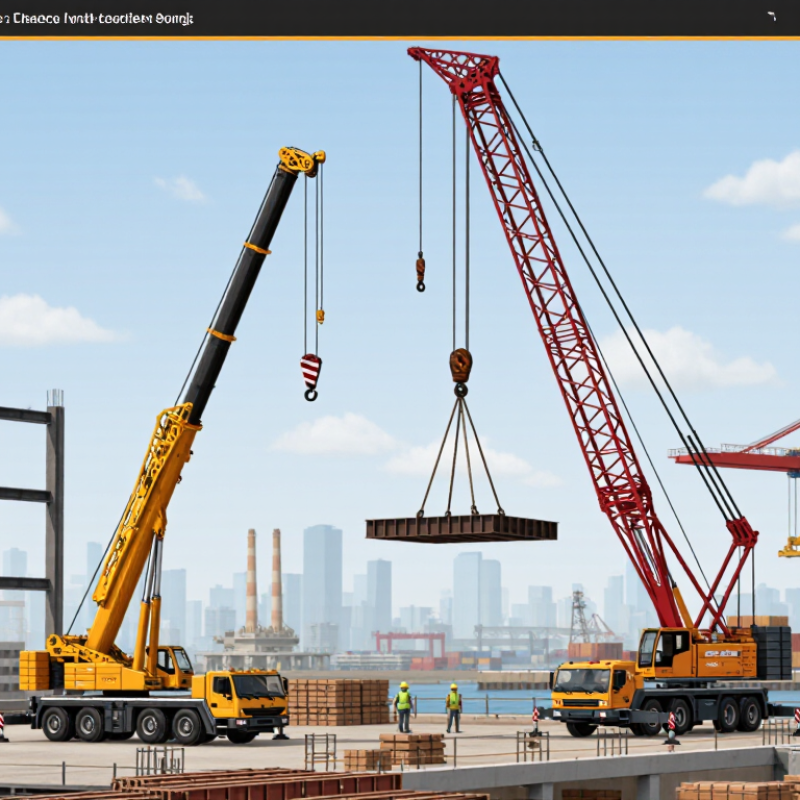
Mobile cranes are practical for changing job locations. They travel on wheels and can lift steel sections, concrete panels, and machinery. Crawler cranes use tracked undercarriages, giving them strong stability on soft ground. Tower cranes provide height and reach on tall building projects. Their long horizontal jibs can serve a wide working area. Rough-terrain cranes suit uneven outdoor sites, while all-terrain cranes combine road travel with lifting flexibility. Overhead cranes move materials inside factories and warehouses. Each type has limits. A crane that performs well on firm ground may become unsafe on loose soil.
Tips: Inspect the lifting accessories, ground condition, and weather before operation. Keep people outside the swing radius. Confirm the load weight, lifting radius, and rated capacity from current documents. Experienced crews still pause when conditions change. That pause is not wasted time. It prevents assumptions, and assumptions sometimes cause failures. Regular maintenance records also improve reliability, although they should never replace a physical inspection.
Heavy machinery cranes use hydraulic, mechanical, or electric systems to lift and move heavy loads. The chart compares representative maximum lifting capacities for commonly used crane types.
Capacity figures are representative industry ranges and can vary according to crane configuration, boom length, counterweights, working radius, and site conditions.
What Is a Heavy Machinery Crane and How Does It Work?
A heavy machinery crane lifts and positions loads through coordinated movement. Its boom, hoist, wire rope, and counterweight control vertical and horizontal forces. Safety systems govern every lift, not just the machine’s lifting capacity. OSHA 29 CFR 1926 Subpart CC requires qualified operators, inspection procedures, rated-load charts, and controlled operating zones.
Daily practice starts with a documented pre-use inspection. An operator checks hooks, wire ropes, brakes, outriggers, alarms, and hydraulic lines. The ground must support the crane without hidden voids or sudden settlement. A signal person manages communication when the operator cannot see the load. It sounds basic. It is often where discipline weakens. CPWR’s analysis of Bureau of Labor Statistics data recorded 297 crane-related construction deaths in the United States from 2011 to 2020. Contact with objects and equipment remained a major hazard.
Modern cranes may use load-moment indicators, overload protection, anti-two-block devices, wind-speed monitors, and emergency stop controls. These systems warn crews before unstable conditions become visible. They do not replace judgment. Power-line clearance also requires planning, reliable measurements, and controlled movement. OSHA’s standard requires specific precautions near energized lines, including maintaining minimum approach distances or using effective protective measures. A lift plan should identify load weight, radius, ground conditions, weather, exclusion zones, and escape paths. I have seen plans become paperwork instead of preparation. That is a weakness worth admitting. A clear plan, repeated briefing, and stop-work authority protect people better than confidence alone.