7 Tips for Choosing a 350 Ton Crane?

Choosing a 350 ton crane is not simply a matter of selecting the largest available machine. The decision affects lifting capacity, transport planning, ground pressure, project cost, and site safety. KHL Group’s 2024 Yellow Table shows continued demand for mobile cranes, while also highlighting strong differences between regional equipment markets. That variation matters. Local parts access and operator availability can influence productivity as much as rated capacity.

Reliable selection begins with the actual lift. Review the load chart, working radius, boom length, counterweight, and wind limits together. A 350 ton crane may lift a heavy component at five meters, yet struggle at a longer radius. The U.S. Bureau of Labor Statistics continues to identify construction equipment incidents as a serious workplace risk. OSHA 29 CFR 1926 Subpart CC also requires documented planning, qualified operators, inspections, and safe operating controls. These requirements should guide the evaluation, not appear at the end.

Look closely at seven practical areas: maximum load, radius, site access, ground conditions, transport dimensions, maintenance support, and total operating cost. A compacted gravel surface may look firm after rain, but hidden soft soil can change outrigger reactions quickly. That detail is easy to miss. Manufacturer load charts and qualified lift engineers remain essential references. ASME B30.5 also provides widely recognized guidance for mobile crane operation and inspection.

The perfect choice is rarely obvious. A spreadsheet can still mislead. The strongest decision combines verified data, experienced judgment, and honest review of site uncertainties.
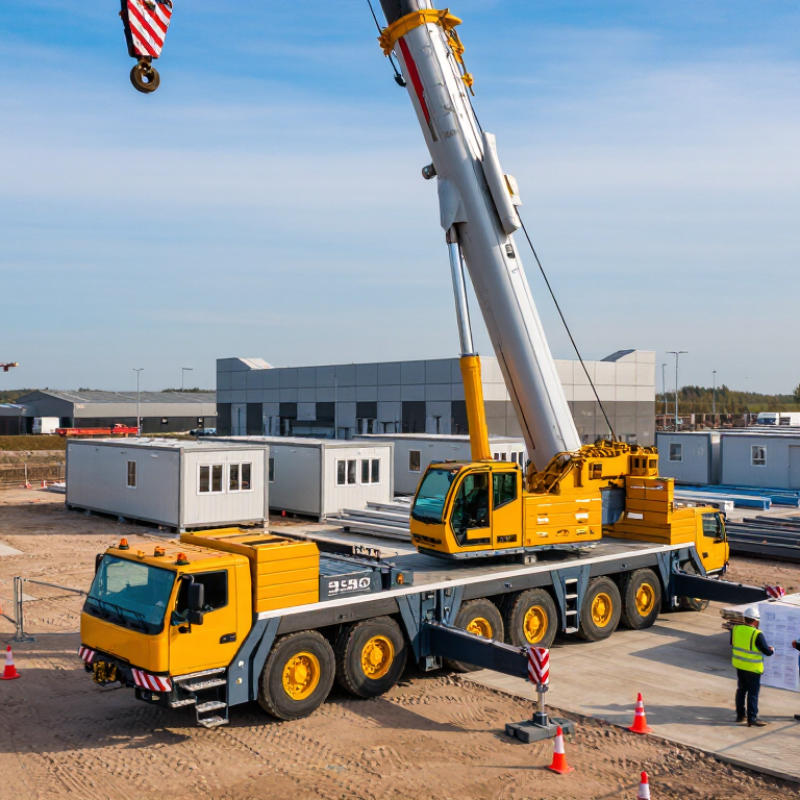
7 Tips for Choosing a 350 Ton Crane?

Define the Project Requirements for a 350-Ton Crane

When selecting a 350-ton crane, define the lift before comparing equipment. Record the heaviest load, its dimensions, lifting points, and center of gravity. Then calculate the working radius from the crane’s centerline to the final set point. A load weighing 350 tons may exceed capacity at distance. Measure twice. Details matter.

Site conditions can change the answer quickly. Check access roads, overhead clearance, underground services, ground bearing capacity, and space for outriggers or crawler tracks. Review wind limits, temperature, and the planned lifting sequence with a qualified lift engineer. The crane must handle the load at the required radius and height, not only at its headline capacity. A planning review may reveal the need for extra counterweight or temporary ground mats.

Request a current load chart, configuration data, inspection records, and operator qualifications. Confirm whether transport, assembly, and disassembly fit the schedule and site limits. Keep a written lift plan with exclusion zones and clear communication methods. One imperfect assumption can disrupt the entire operation. Recheck the radius after finalizing the rigging; small geometry changes can reduce capacity more than expected.
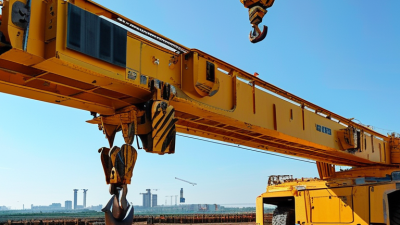
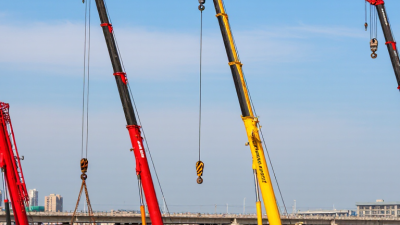
Define the Project Requirements for a 350-Ton Crane

Before selecting a 350-ton crane, evaluate the heaviest load, lifting accessories, working radius, lift height, and site conditions. The planning example below shows how each requirement contributes to the lift plan.

This example uses a 280-ton equipment load, 20 tons of rigging, a 45-meter working radius, and a 60-meter lift height. Actual crane capacity must be verified from the manufacturer’s load chart at the planned radius, boom length, counterweight, and site configuration.

Evaluate Load Capacity, Reach, and Lifting Conditions

7 Tips for Choosing a 350 Ton Crane

Evaluate the actual load, not only its advertised capacity. Include the weight of slings, spreader beams, hooks, and temporary attachments. Confirm the crane’s load chart at the planned working radius. A 350-ton rating may apply only under specific boom lengths and configurations. Check the required reach from the crane centerline to the final placement point. Longer reach usually reduces available lifting capacity. Sketch the lifting path before selecting equipment.

Study the lifting conditions carefully. Measure ground bearing strength, underground voids, slopes, and nearby edges. Outriggers need stable, level support with correctly sized mats. Review wind exposure, especially for large panels or vessels. Wet weather can change ground performance quickly. Do not ignore access routes. A crane that reaches the site may not reach the setup area safely.

Match the crane configuration to the work sequence. Compare lattice and telescopic boom options, transport limits, counterweight needs, and setup space. Verify rigging angles and the center of gravity with a qualified lift planner. Confirm communication methods and exclusion zones with the site team. Recheck every assumption against current load charts and site measurements. Small errors matter. It is tempting to choose extra capacity, yet excessive size can create transport, cost, and setup problems. Even experienced teams should challenge the original plan when conditions change.

Compare Crane Types, Configurations, and Site Compatibility

Choosing a 350-ton crane starts with the worksite, not the advertised capacity. Tip 1: Match the crane type to access conditions. A crawler crane suits soft ground and long-duration lifts, while an all-terrain crane handles changing surfaces more flexibly. Tip 2: Measure every route, including gates, bridges, and turning areas. Tight access can eliminate a suitable crane.

Tip 3: Check the lifting radius, not only the maximum load. A 350-ton rating may apply near the crane’s center, while capacity drops sharply at greater reach. Tip 4: Compare boom lengths, lattice extensions, and luffing jib options. These configurations affect height, radius, transport needs, and setup time. Keep it practical. Tip 5: Review counterweight requirements and tail-swing clearance near buildings or traffic lanes.

Tip 6: Confirm ground bearing capacity before mobilization. Steel mats may protect the surface, but they cannot correct weak soil without proper engineering. Tip 7: Have a qualified lift planner verify load charts, wind limits, rigging, and communication procedures. Inspectors should also check the crane before use. Small details matter. I have seen planning teams focus on lifting weight and overlook overhead cables, drainage channels, or limited assembly space. That mistake can force a late crane change, adding cost and delay. Site drawings should be current, although they are sometimes incomplete. Recheck critical dimensions in person.

Check Safety Standards, Operator Skills, and Maintenance Support

7 Tips for Choosing a 350 Ton Crane

A 350 ton crane demands more than impressive lifting capacity. Check whether its rated load chart matches your planned radius, boom length, and ground conditions. Ask for current inspection records, safety certificates, and documented load testing. Standards must fit the jobsite and local requirements. Do not accept vague paperwork. Confirm emergency systems, alarms, brakes, outriggers, and communication equipment before mobilization. A small missing record can signal a larger control problem.

The operator should hold valid credentials for this crane class and understand the actual machine configuration. Ask about experience with heavy lifts, confined sites, wind limits, and uneven ground. A skilled operator studies the lift plan instead of relying on habit. They should communicate clearly with the signal person and stop work when conditions change. Keep the conversation practical. Can they explain a blind lift without guessing? Can they identify an unstable setup from the cab? Experience matters, but overconfidence deserves attention too.

Maintenance support should include scheduled inspections, qualified technicians, and realistic response times. Review service logs for hydraulic leaks, wire rope wear, structural cracks, and previous repairs. Request a clear process for replacement parts and urgent breakdowns. Ask who arrives at night. Downtime becomes expensive quickly. On one project, a minor hydraulic warning delayed lifting because the team treated it as harmless. That mistake was avoidable. Still, no inspection system is perfect, so daily pre-start checks remain essential. The best choice combines verified safety controls, capable people, and support that stays available after delivery.

7 Tips for Choosing a 350 Ton Crane? - Check Safety Standards, Operator Skills, and Maintenance Support

Tip Selection Dimension Practical Data or Benchmark What to Verify Recommended Decision
1 Confirm the required lifting capacity A 350-ton rating is a maximum rated capacity under specific configuration conditions, not a universal lifting capacity. The actual capacity changes with boom length, working radius, counterweight, attachment, and ground conditions. Review the manufacturer’s load chart for the exact configuration. Include the load, rigging, hook block, spreader beam, and other lifting accessories in the gross load calculation. Select only when the planned lift is within the applicable load chart at the required radius and height.
2 Check safety standards and legal compliance Crane operations should follow the regulations applicable to the work location, including requirements for inspection, safe operating procedures, qualified personnel, and documented lifting plans. Request current inspection records, operator documentation, maintenance history, load charts, emergency procedures, and records required by the local authority or site owner. Reject equipment with expired inspections, missing records, or unresolved safety-critical defects.
3 Evaluate operator qualifications and experience The operator should be trained and authorized for the crane type, capacity class, operating environment, and planned lifting activities. Experience with heavy lifts and complex rigging is especially valuable. Verify recognized training or certification, practical assessment records, medical or fitness requirements where applicable, and experience with similar configurations and lift plans. Use a documented competency check and require a qualified lift supervisor for critical lifts.
4 Assess ground conditions and site suitability Ground bearing capacity, slope, drainage, underground services, overhead obstructions, access routes, and outrigger space can determine whether a 350-ton crane can be set up safely. Obtain a site survey and confirm ground-bearing requirements with a competent person or engineer. Check whether mats, cribbing, or ground improvement are required. Proceed only after the setup area and travel route have been approved for the expected loads.
5 Review safety devices and control systems Key controls may include rated-capacity indicators or limiters, anti-two-block protection, boom angle and length indication, load moment monitoring, emergency stop functions, and clear operator displays. Function-test safety devices before mobilization and before the lift. Confirm alarms are audible or visible and that bypasses are controlled and documented. Do not operate if a required safety device is defective, bypassed, or not verified.
6 Compare maintenance condition and inspection history A suitable maintenance program should cover structural members, welds, wire ropes, sheaves, brakes, hydraulic systems, tires or tracks, electrical systems, hooks, blocks, and safety controls. Check preventive-maintenance schedules, inspection findings, repair closeout records, lubrication records, wire-rope condition, and evidence of periodic structural and functional inspections. Prefer equipment with traceable records and no open safety-critical maintenance actions.
7 Measure maintenance and emergency support Heavy-lift availability depends on qualified technicians, spare parts, troubleshooting capability, recovery planning, and clear response procedures for breakdowns or weather-related interruptions. Confirm service coverage, technician availability, spare-parts arrangements, escalation contacts, response targets, replacement-equipment options, and after-hours support. Choose the supplier or fleet with documented support arrangements that match the project schedule and risk level.
Pre-lift minimum review: approved lift plan, verified load chart, competent operator and supervisor, current inspection status, suitable ground conditions, tested safety devices, inspected lifting accessories, weather assessment, exclusion zone, and clear communication procedure.

Review Costs, Transport Needs, and Supplier Reliability

Choosing a 350-ton crane starts with the lift plan, not the advertised capacity. Confirm the load weight, working radius, boom length, and ground pressure. Capacity can fall sharply as radius increases. Ask for a current load chart and a written configuration estimate. Include operator fees, fuel, rigging, counterweights, setup, standby time, maintenance, and demobilization. A low daily rate may hide expensive extras.

Transport needs deserve equal attention. Measure the crane’s width, height, axle weight, and counterweight packages. Then inspect the route for narrow bridges, weak roads, low clearances, and tight construction entrances. Request a route survey before signing. Check local transport approvals and escort requirements through qualified professionals. One missed clearance can delay the entire project. I have seen schedules fail because the crane arrived, but its counterweights did not. That mistake was avoidable.

Supplier reliability is more than a polished quotation. Review recent projects using similar crane sizes and ask for verifiable references. Confirm inspection records, maintenance history, operator qualifications, insurance documents, and emergency contact procedures. Ask how quickly replacement parts or backup equipment can arrive. Put pricing assumptions and delay responsibilities in writing. Be careful with vague promises. I once treated an attractive quote as complete, then discovered that site setup was excluded. A second review exposed the gap, but it also delayed planning. Reliable suppliers welcome detailed questions and provide clear technical answers.