Top 5 Large Hydraulic Cranes You Need to Know About for Your Projects
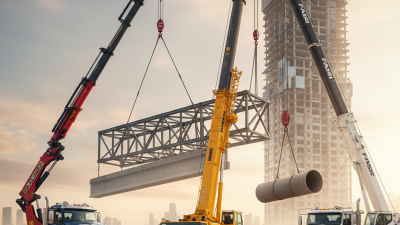
When planning large-scale construction projects, the choice of equipment is crucial. A large hydraulic crane stands out as a vital tool in this context. These cranes allow for efficient lifting of heavy materials, making them indispensable on job sites. Their versatility ensures they can tackle various tasks, from moving steel beams to positioning precast concrete sections.
While large hydraulic cranes offer significant advantages, selecting the right one requires careful consideration. Each project has unique demands that affect crane specifications. Things like lift capacity, height reach, and mobility should never be overlooked. Choosing poorly can lead to inefficiencies or even safety hazards.
Understanding the top large hydraulic cranes available can guide your decision-making process. This knowledge is essential for maximizing productivity and ensuring safe operations. It’s also important to reflect on past experiences. Learning from previous projects can enhance future crane selection. By focusing on the right equipment, you can achieve your project goals effectively.
Overview of Large Hydraulic Cranes and Their Applications
Large hydraulic cranes play a vital role in construction and industrial applications. These machines are capable of lifting heavy loads, providing versatility on job sites. According to industry reports, the global crane market is projected to reach USD 43.7 billion by 2027, highlighting the growing demand for efficient lifting solutions.
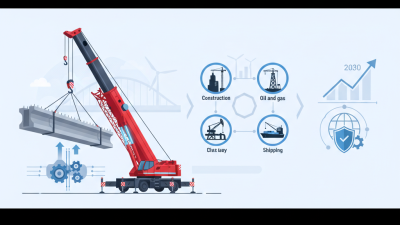
The applications of large hydraulic cranes are varied. They are commonly used in building high-rise structures, facilitating the transport of massive materials. This machinery enables seamless operations in sectors like oil and gas, mining, and infrastructure. Notably, the ability to lift weights up to 1,200 tons makes them indispensable for heavy projects. However, safety remains a concern. In the U.S. alone, around 60 crane-related accidents occur annually, prompting the need for stringent operational protocols.
Understanding the advantages of these cranes is crucial, but challenges exist. The complexities of maintaining hydraulic systems can lead to downtime. Frequent inspections are recommended to avoid malfunctions. Additionally, the cost of operation requires careful budget management. Despite these hurdles, the benefits often outweigh the drawbacks. Large hydraulic cranes are essential for enhancing productivity and efficiency across various industries, paving the way for modern construction practices.
Top 5 Large Hydraulic Cranes You Need to Know About
This chart illustrates the maximum load capacities of five large hydraulic cranes commonly used in various construction projects. Selecting the appropriate crane model based on its load capacity is crucial for project efficiency and safety.
Key Features to Look for in Hydraulic Cranes
When selecting a hydraulic crane for your project, consider a few key features that define its effectiveness. Load capacity is paramount. Determine the maximum weight your crane needs to lift. Often, cranes come in various capacities, so ensure you choose one that meets your specific needs. Equally important is the crane's reach. A model with an extended boom allows for versatile positioning, making it easier to operate in tight spaces or at different heights.
Another crucial feature is the crane's stability. Look for models with robust bases and adjustable outriggers. These elements can significantly impact safety and performance. A crane that sways too much is not ideal. Additionally, review the hydraulic system's efficiency. A well-designed system will provide smooth operation and quick response times. Without this, you may face delays and increased risk on the job site.
Finally, don’t overlook the operator controls. Intuitive controls enhance precision during lifts. Complex systems can lead to errors and accidents. In this industry, user-friendly equipment can save time and increase productivity. Remember, a crane that’s challenging to operate can hinder your project's progress. Thus, always assess these features together to ensure you make a well-informed decision.
Top 5 Large Hydraulic Cranes for Heavy Lifting Projects
When it comes to heavy lifting projects, large hydraulic cranes are indispensable. They are engineered for efficiency and power, supporting various industries like construction, mining, and shipbuilding. Reports from the American Crane and Rigging Association indicate that using advanced hydraulic systems can increase load handling efficiency by 30%. It's crucial to select the right crane based on the weight, reach, and site conditions.
Understanding the lifting capacity is paramount. Most large hydraulic cranes can handle loads exceeding 100 tons. However, factors like terrain and weather can affect performance. Regular maintenance is a must. A neglected crane can lead to failures or accidents, potentially causing project delays. Always ensure operators are certified and experienced. This ensures safety and compliance with industry standards.
Tips: Assess your project requirements thoroughly. Consider the crane's mobility, setup time, and operator skills. Additionally, always prepare for contingencies. Unexpected challenges can arise, requiring quick adjustments. Staying well-prepared can save time and resources.
Comparison of Operating Capacities and Specifications
When selecting a large hydraulic crane for your project, operating capacity and specifications are crucial. Understanding how much weight a crane can lift, the height it can reach, and its overall dimensions is vital for effective planning. Hydraulic cranes come in various designs. Each has unique operating capacities that cater to diverse project needs.
Consider the lifting capacity. Some cranes can manage up to 1,000 tons, while others handle smaller loads. These differences impact their application in construction, transportation, or industrial projects. Additionally, deployment speeds vary. Rapid setups can save time but may require a trade-off with maximum load capabilities.
In terms of specifications, boom length and rotation radius matter significantly. A crane with a longer boom can reach elevated spots easily. However, this often comes with a larger base, impacting maneuverability. Many factors affect your choice. Understanding them ensures you select the right crane for your project’s needs. Predicting potential challenges in real-world applications is necessary. Not all cranes perform equally, even with similar specs. It’s essential to evaluate your projects thoroughly.
Maintenance Tips for Extended Crane Lifespan
Proper maintenance is vital for extending the lifespan of large hydraulic cranes. Regular inspections should be conducted to identify wear and tear. In 2021, the Crane Institute, a recognized authority in the field, documented that 25% of crane failures resulted from inadequate maintenance. This statistic highlights the importance of a proactive approach.
Lubrication is essential in the maintenance routine. All moving parts should be greased regularly. This reduces friction and prevents premature wear. Analogous to regular car maintenance, neglecting lubrication can lead to costly breakdowns. Moreover, operators should familiarize themselves with the correct loading capacity. Overloading even once can impact the crane's integrity significantly.
Environmental factors also play a critical role. Operating in extreme temperatures or harsh weather can strain hydraulic systems. Continuous exposure to these conditions may lead to increased maintenance needs. Regular training for operators ensures that they recognize signs of trouble early on. This proactive strategy is a balancing act of preventative measures and real-time responses to ensure crane longevity.
Top 5 Large Hydraulic Cranes You Need to Know About for Your Projects - Maintenance Tips for Extended Crane Lifespan
| Model |
Max Load Capacity (tons) |
Lift Height (m) |
Main Features |
Maintenance Tips |
| Crawler Crane A |
600 |
80 |
High mobility, advanced safety features |
Regularly check hydraulic fluids, inspect cables |
| Rough Terrain Crane B |
400 |
60 |
Designed for off-road terrains, versatile operations |
Check for tire wear, clean radiators often |
| All Terrain Crane C |
500 |
70 |
Versatile for various environments, compact design |
Lubricate moving parts, adjust brakes regularly |
| Truck Mounted Crane D |
300 |
50 |
Quick setup, high flexibility |
Inspect hydraulic lines, check control systems |
| Tower Crane E |
250 |
100 |
Ideal for high-rise constructions, stable |
Regularly inspect for structural integrity, lubricate moving parts |