What Is the Best Safety Crane in 2026?

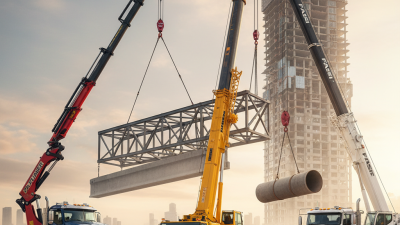
“What Is the Best Safety Crane in 2026?” has no one-size-fits-all answer. The right crane depends on the lift, the site, and the crew’s ability to operate it safely. A crawler crane may suit soft ground and heavy loads. A truck-mounted crane may better fit tight urban access. Neither is automatically safer.

The risks are measurable. CPWR’s analysis of U.S. fatality records counted 297 crane-related worker deaths from 2011 through 2017, an average of about 42 per year. That historical figure is not a 2026 forecast, but it shows why equipment choice cannot rest on maximum lifting capacity alone. Ground bearing pressure, outrigger setup, load radius, wind, and visibility matter. So does the operator’s view of the lift.

Crane consultant and author David Duerr’s published guidance can be summarized this way: “Choose for the actual lift configuration, not tonnage alone.” That distinction matters when a load shifts, a mat settles, or the crane must reach farther than planned. A safety crane should pair suitable capacity with reliable controls, clear load-chart information, and practical inspection access. It should also fit the crew’s training and the site’s conditions. Small details count.

There is no perfect machine. A careful comparison should weigh documented safety features, maintenance support, and the realities of each lift. Some uncertainty remains. That is worth admitting.
What Is the Best Safety Crane in 2026?

Defining What “Best Safety Crane” Means in 2026

What Is the Best Safety Crane in 2026?
Defining What “Best Safety Crane” Means in 2026

In 2026, the best safety crane is not necessarily the newest or largest machine. It is the crane that suits the lift, site, and crew while making hazards easier to control. Start with the load’s verified weight, lifting radius, ground conditions, and available clearance. The load chart must cover the planned configuration, not just the crane’s headline capacity. That distinction matters.

Safety also depends on usable controls, clear visibility, reliable safety devices, and maintenance records operators can review. On a tight site, compact dimensions may reduce repositioning. On uneven ground, appropriate support and careful setup checks matter more. Ask operators and maintenance staff what causes delays or near misses. Their observations can reveal weaknesses that a specification sheet misses. I would not treat any checklist as complete; site conditions change, and small details can be overlooked.

Tips: Confirm the load weight and radius before selection. Check the ground and support setup. Review inspection records, alarms, and emergency procedures with the crew. If the lift plan feels rushed, pause and reassess it.

What Is the Best Safety Crane in 2026?

There is no single best crane for every job. A strong safety choice meets the applicable requirements and supports the inspections needed for the work.

This chart translates U.S. OSHA construction-crane inspection intervals into an approximate annual count, assuming 250 operating shifts per year. Monthly and annual counts are annualized for comparison; actual requirements depend on the equipment, its use, and applicable regulations.

Source: OSHA 29 CFR 1926.1412

Key Crane Types and Their Safety Features

What Is the Best Safety Crane in 2026?

Key Crane Types and Their Safety Features

The safest crane depends on the lift, worksite, and operator’s training.

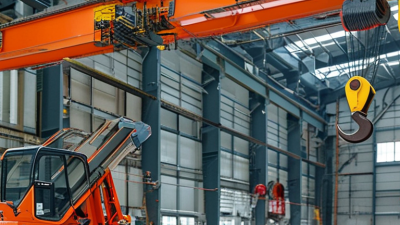
Overhead bridge cranes suit indoor facilities with fixed travel paths. Look for clearly marked capacity limits, functioning travel stops, and brakes that hold steady under load. Small details matter. A worn pendant button or obscured warning label can undermine otherwise sound equipment.

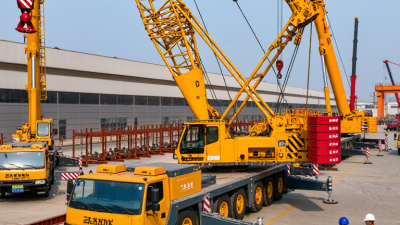
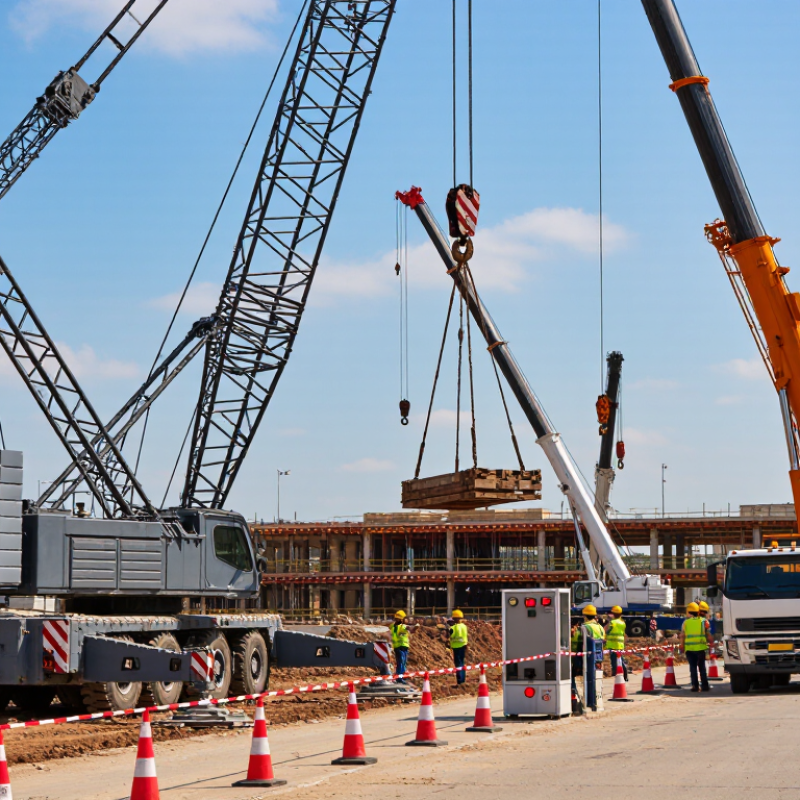
Mobile cranes offer flexibility on changing sites, but their safety depends heavily on setup. Outriggers need firm, level ground and suitable support mats. Load moment indicators and boom-angle displays help operators monitor changing conditions.

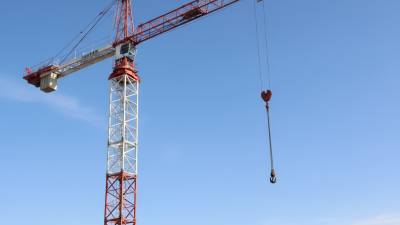
Tower cranes need reliable limit switches, anti-collision systems, and wind monitoring, especially when several cranes share a site. No feature replaces a trained crew and a lift plan that reflects actual site conditions.

Tips

Before lifting, check the load weight, rigging, alarms, and inspection records. Walk the crane’s travel area and look for overhead obstructions or soft ground. Keep clear communication between operator and signal person. Stop when unsure. A checklist can still be rushed, so pause when readings, ground conditions, or crane movement seem inconsistent.

Standards, Inspections, and Risk Controls

In 2026, the safest crane is not defined by its label, but by documented control of its actual risks. Applicable regulations and recognized standards should guide selection, installation, operation, and maintenance. Requirements vary by location and crane type, so teams should verify current rules before work begins. Confirm rated capacity, duty class, load chart, and site conditions; a correct chart cannot compensate for an unstable foundation.

Inspections need a schedule and a clear record. Before each shift, operators can check hooks, latches, wire ropes, brakes, controls, warning devices, and visible leaks. Look closely for broken wires, deformation, unusual sounds, or sluggish movement. A qualified person should perform inspections at intervals required by applicable standards and equipment guidance. Tag defects, remove unsafe equipment from service, and document repairs before returning it to work.

Risk controls must match the lift. Use a lift plan for complex or high-consequence lifts, including load weight, radius, ground bearing, wind, overhead hazards, and communication signals. Keep people outside the fall zone, and stop when visibility or signals become uncertain. Small details matter. Toolbox talks help, but crews may still rush when schedules tighten; that pressure deserves honest attention, not another checkbox.

Comparing Crane Options for Different Worksites

The safest crane in 2026 depends on the worksite, not a single machine rating. On a compact renovation site, a carry-deck crane can maneuver through tight spaces, but limited capacity may force more lifts. For uneven ground, a rough-terrain crane offers mobility; its outriggers still need firm, level support.

That detail is easy to underestimate. A geotechnical check and load-spreading mats may matter more than extra lifting capacity.

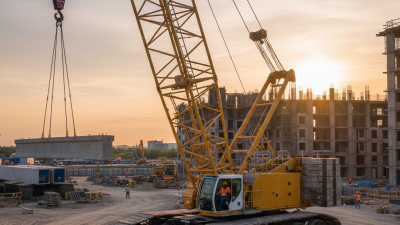
For heavy loads across soft ground, crawler cranes distribute weight across tracks, though their assembly needs space and careful planning. Tower cranes suit tall, dense construction sites, where reach and limited ground footprint are valuable. But they require planned foundations, clear swing areas, and coordination with nearby work.

There is no shortcut.

OSHA’s 2010 crane-and-derrick rule analysis estimated that its requirements could prevent 22 fatalities and 175 injuries annually. That estimate is not a comparison of crane types; it shows why setup, operator practices, and lift planning deserve equal attention.

I would still question any selection made from a load chart alone. Wind, overhead obstructions, ground conditions, and the actual path of the load can change the safer choice.

How to Choose a Safety Crane for Your Project

What Is the Best Safety Crane in 2026?

How to Choose a Safety Crane for Your Project

The best safety crane is the one suited to your actual lift, site, and crew—not simply the model with the highest capacity. Begin with the heaviest load, its dimensions, and the required radius. Include rigging weight, lift height, and the path the load will travel. A crane’s rated capacity changes with boom length and working radius. Check the manufacturer’s load chart for the exact configuration.

Look beyond capacity. Confirm that the ground can support the crane’s outrigger loads, and check for overhead obstructions, nearby structures, and expected wind. Verify that alarms, limit devices, and load-moment indicators work, and that inspection records are current. Small details matter. CPWR’s The Construction Chart Book records 632 U.S. crane-related worker deaths from 1992 through 2006, roughly 42 per year. These historical figures are not a prediction for today, but they show why lift planning and hazard controls deserve close attention.

Walk the site before selecting equipment. A narrow access road or soft ground can change the right choice quickly. Ask the operator and lift supervisor to review the load chart and communication plan together. I would also recheck ground conditions after rain; plans can look sound on paper and still miss what is under the pads. Not glamorous, but important.