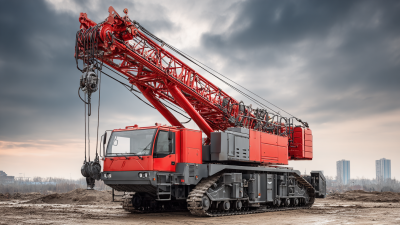
China Top 350 Ton Crane Manufacturers and Prices
A 350 ton crane is a major investment, not just a line on a price sheet. For projects in China and overseas, buyers need to compare lifting capacity, working radius, boom configuration, transport needs, and after-sales support. This guide introduces notable Chinese manufacturers and explains how to assess their products and quotations. Names alone are not enough. A supplier’s engineering experience, production facilities, quality documentation, and service network all matter when equipment must perform reliably on site.
Prices can differ sharply. Configuration, counterweight, control systems, delivery terms, and optional safety features may change the final quotation. So can the project’s required lifting chart. Ask manufacturers to state what is included, such as commissioning, operator training, spare parts, and warranty coverage. Request technical documents and confirm that the proposed model suits the actual load and working conditions. Small details matter. A crane that looks suitable in a brochure may not match the site’s ground conditions or access limits.
This overview is a starting point, not a substitute for engineering review or direct supplier checks. Rankings can be imperfect, and public price information may not reflect current offers. That deserves a second look. Compare written specifications from several manufacturers, clarify exclusions, and verify service arrangements before making a decision. The aim is a practical shortlist: capable suppliers, realistic price expectations, and fewer surprises between quotation and delivery.
What Defines a 350-Ton Crane and Where Is It Used?
A 350-ton crane is rated to lift a maximum load of 350 metric tons under specified conditions. That figure does not apply at every reach. Actual capacity depends on boom length, working radius, counterweight, ground support, and crane configuration. At a long reach, the permitted load can fall sharply. That distinction matters.
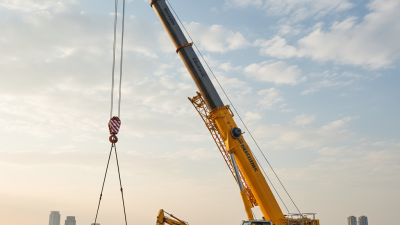
These heavy-lift cranes are used on major construction and industrial projects. They can position large bridge sections, install power-plant equipment, or move heavy structures at ports and shipyards. On a bridge site, a crane might lift a concrete girder over a road while crews guide it into place. The lift depends on more than the girder’s weight; distance, clearance, and wind also matter. Not everywhere.
Before choosing a crane, project teams review load charts, lift plans, access routes, ground conditions, and weather limits. A 90-ton component may still need a large crane if it must be lifted far from the machine. Outrigger mats can help spread pressure across the ground, but they do not fix weak soil. Qualified lifting professionals should check the setup against site-specific data. Even careful plans can miss a small obstacle, so conditions need attention on the day.
How China’s Heavy-Lift Crane Manufacturing Industry Is Organized
China Top 350 Ton Crane Manufacturers and Prices
China’s heavy-lift crane industry is better understood as a production network than a single factory category. Engineering teams translate lift charts, boom length, counterweight, ground pressure, and transport limits into machine configurations. Specialist suppliers provide steel plate, hydraulic systems, engines, sensors, and controls. Assembly plants integrate these parts and conduct performance tests. A 350-ton rating applies only under defined conditions. That distinction is easy to miss. Lift radius and ground conditions can sharply reduce usable capacity.
The materials base is substantial. World Steel Association’s World Steel in Figures 2024 reports that China produced about 1.019 billion tonnes of crude steel in 2023. This scale supports a broad supply ecosystem, though crane-grade plate still requires careful qualification. Demand also reflects major infrastructure projects. GWEC’s Global Wind Report 2024 records 75.9 GW of new wind capacity in China during 2023. This creates work for heavy-lift equipment, but it does not directly predict sales of 350-ton cranes.
Prices vary with boom configuration, counterweights, axle layout, controls, commissioning, and service coverage. Buyers should compare load charts and operating costs, not headline tonnage alone. The supply chain is capable, but coordination can be uneven. Component lead times and field support vary by region. I would check test records and spare-part response before accepting a low quotation.
How to Compare Leading Chinese 350-Ton Crane Manufacturers
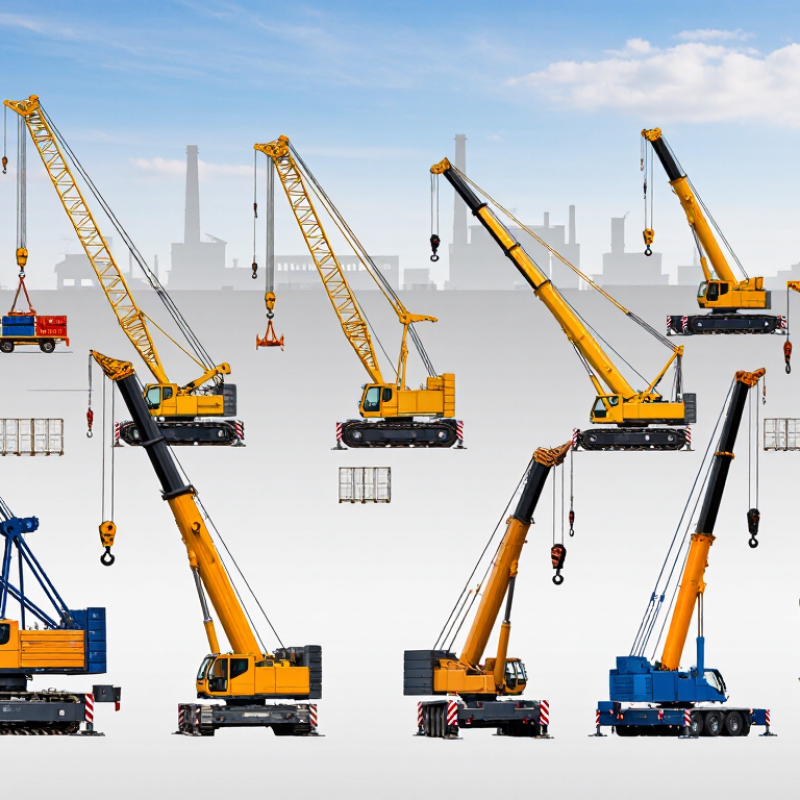
When comparing leading Chinese 350-ton crane manufacturers, start with the lift, not the headline capacity. A 350-ton rating applies under specific boom, radius, counterweight, and ground conditions. It is not a promise for every jobsite. Request the complete load chart and verify the configuration for your planned lift. Compare capacity at working radius, boom length, outrigger footprint, transport axle loads, and setup time. Small details matter. A two-meter change in radius can sharply reduce available capacity.
Check independent test reports, weld inspection records, maintenance intervals, and stability evidence aligned with ISO 4305:2014. Ask for measured hoist speed and fuel consumption under stated loads, not brochure claims. The China Construction Machinery Association reported construction machinery industry operating revenue of about RMB 849 billion in 2023, down roughly 4.5% year over year. This reflects broad market pressure, not any individual supplier’s quality. Compare spare-part lead times, technician coverage, warranty exclusions, and parts prices. One gap remains: published data rarely show long-term failure rates. Request anonymized service records and inspect a working unit. Keep quotations tied to the same lift plan, delivery terms, and commissioning scope.
What Factors Shape the Price of a 350-Ton Crane in China?
A Chinese 350-ton crane quote depends on more than its headline lifting capacity. Key cost drivers include boom length, jib, counterweight package, axle arrangement, and lifting charts. At a job site, 350 tonnes is a maximum rating under specific conditions, not at every working radius. Compare quotes against the same duty chart and included equipment. Small details matter. The World Steel Association’s October 2024 Short Range Outlook projected global steel demand at 1.793 billion tonnes in 2024, up 1.7% year on year. This is not a crane-price index, but steel availability and fabrication costs can influence production costs.
Powertrain specifications, hydraulic capacity, safety controls, and cold-weather options also affect the price. Longer booms add material and transport costs; heavier counterweights may require extra trailers. Export quotations can include testing, documentation, packing, inland transport, freight, insurance, and commissioning, so check each item carefully. The World Bank’s April 2024 Commodity Markets Outlook forecast broad commodity prices to fall 3% in 2024 and 4% in 2025. That is useful market context, not a direct forecast for crane prices. I would question a sharply low quote until its load chart, exclusions, and after-sales scope are clear.
China 350-Ton Crane Prices: Key Cost Factors
Relative influence of common price drivers for a 350-ton crane (qualitative planning guide, not supplier quotations).
Lifting configuration and chassis or drive-system specifications can strongly affect the quoted price. Boom and jib options, safety and control systems, emissions requirements, delivery, and service arrangements also matter. Compare quotations with the same configuration and delivery terms.
How to Evaluate Specifications, Service, and Total Ownership Costs
When comparing 350-ton crane manufacturers and prices, match each quotation to the same lifting conditions. A crane’s rated capacity depends on boom length, working radius, counterweight, and ground conditions. Check the load chart for the exact configuration your site requires. A chart is not a promise of capacity at every reach. Ask for the configuration drawing and a written explanation of any exclusions. Details matter.
Look beyond the purchase price. Request separate figures for transport, setup, operator training, scheduled maintenance, and commonly replaced parts. Then estimate fuel use and the cost of likely downtime over several years. Service response time matters when a crane is idle on a project; ask where technicians and spare parts are located, and what response time is included in writing. Compare warranty coverage and service terms line by line. Small omissions can change the real cost. Estimates remain estimates: site access, duty cycles, and local support can shift expenses, so validate assumptions with your project team before choosing a supplier.