How to Master Crane Rigging Techniques for Safe Operations?
In the world of construction and heavy lifting, mastering crane rigging techniques is crucial for safety and efficiency. Expert John Smith, a renowned crane rigging specialist, emphasizes the importance of this skill: “Proper rigging can prevent accidents and save lives.” His words remind us that each lift carries risk.
Understanding the complexities of crane rigging requires both knowledge and practice. It involves knowing the right equipment, securing loads correctly, and communicating effectively with the team. For many, this learning journey is filled with challenges. Mistakes can happen, and self-reflection is essential for improvement.
The reality is that not every lift will go perfectly. Every operation presents unique variables, demanding flexible problem-solving. Despite this, a commitment to mastering crane rigging can lead to improved safety and operational success. Embracing continuous learning and sharing experiences within the industry can elevate our standards.

Understanding the Basics of Crane Rigging Techniques
Understanding crane rigging techniques is crucial for any operation involving heavy lifting. Mastery of these techniques ensures the safety of workers and equipment. In the United States, approximately 50% of crane accidents are linked to rigging failures, according to industry reports. Proper rigging can significantly reduce these incidents, highlighting its importance.
Effective rigging begins with selecting suitable equipment. Factors to consider include the weight of the load and environmental conditions. For instance, using synthetic slings over chain slings can offer more flexibility and reduce weight. Of course, every rigging setup is unique. Choose the right methods based on specific job requirements and potential hazards.
Pay attention to communication among team members during operations. Establishing clear signals can prevent miscommunication and accidents. Training in these techniques is often overlooked. Many workers don't receive adequate training, which can lead to misunderstandings and errors. Regularly update skills and knowledge to adapt to evolving industry standards and technologies.
Assessing the load path is a pivotal aspect of crane rigging. An improper path can lead to unexpected obstacles and complications. Always inspect the load and rigging equipment before operations begin. This proactive approach can help identify potential issues and mitigate risks. Remember, preparation can prevent accidents before they happen.
Identifying Different Types of Rigging Equipment and Their Uses
Understanding rigging equipment is essential for safety and efficiency in crane operations. Rigging equipment can be classified into several types, including slings, shackles, and hoists.
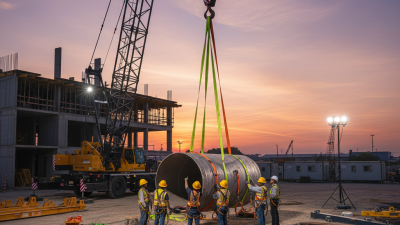
Slings are often made of nylon, polyester, or wire rope, and their choice depends on load weight and material requirements. For instance, a web sling can handle delicate loads where steel might damage the equipment.
Shackles connect the various elements of a rigging system. They come in different shapes and sizes, designed for specific tasks. For example, a D-shackle is commonly used for securing lifting points, while a bow shackle provides more versatility. Each shape affects load distribution and safety, making awareness of their uses crucial.
Hoists, ranging from manual to powered options, assist in lifting and moving loads efficiently. Understanding how each type of rigging equipment interacts is vital for a successful operation.
While many professionals are trained in this area, mistakes can occur. A common error is miscalculating load weights or using the wrong equipment type. These oversights can lead to accidents. It highlights the need for constant training and reevaluation of practices. Ultimately, mastering crane rigging requires ongoing education and awareness of each component and its specific function. Familiarity with rigging equipment enhances confidence and promotes safer lifting practices on the job site.
Planning Safe Rigging Operations: Assessing Loads and Environments
Planning safe rigging operations starts with a thorough assessment of loads and environments. Understanding the weight and characteristics of your load is crucial. Every load presents unique challenges. For instance, a heavy but compact load may require different rigging than a large, awkwardly shaped one. Take time to consider these aspects. Ignoring them can lead to dangerous mistakes.
Next, evaluate the work environment. Is the area congested? Are there overhead hazards? These factors significantly impact how rigging will be executed. Additionally, consider the surface conditions. Uneven or slippery surfaces can increase the risk of accidents. Reflecting on past rigging failures can also provide valuable insights. Learning from mistakes is essential in this line of work.
Effective communication among team members enhances safety. Discuss the rigging plans openly. Ensure everyone understands their roles and responsibilities. Miscommunication can lead to accidents, even if the equipment is in top shape. Remember, safe rigging is a team effort, requiring constant vigilance and adaptation.
Implementing Proper Rigging Techniques for Load Stability and Safety
Implementing proper rigging techniques is essential for ensuring load stability and safety. When lifting heavy objects, understanding the load's center of gravity is crucial. A miscalculation can lead to accidents. It is vital to assess the weight distribution before attempting the lift. This assessment helps in selecting the right rigging equipment and techniques.
Using appropriate rigging gear is also key. Choosing the right sling types can significantly impact load stability. For instance, a chain sling may be more effective for a heavy load, while nylon slings work well for lighter or more fragile items. Inspecting rigging equipment regularly ensures that it remains safe to use. Wear and tear can compromise safety.
Training is another critical aspect of rigging techniques. Even experienced operators can benefit from ongoing education. Rigging techniques evolve, and it’s important to stay updated. Encouraging a culture of safety can highlight areas for improvement. Reflecting on past incidents can guide future practices. Mistakes happen, but they offer valuable lessons for enhancing safety in crane operations.
Crane Rigging Techniques: Load Stability and Safety Metrics
This chart represents the evaluation of various crane rigging techniques based on their effectiveness in ensuring load stability and enhancing safety during operations. The techniques assessed include Direct Rigging, Block and Tackle, and Four-Point Rigging.
Conducting Routine Inspections and Maintenance for Rigging Equipment
Conducting regular inspections and maintenance for rigging equipment is crucial in ensuring safety and operational efficiency. Reports indicate that over 50% of rigging accidents stem from equipment failure, often linked to inadequate maintenance. Inspectors must check for wear and tear, corrosion, and proper functionality of all components. Simple visual inspections can unveil glaring issues, while more thorough tests reveal hidden defects.
Routine maintenance should follow established guidelines. Some studies show that a lack of adherence to maintenance schedules can increase accident rates by up to 30%. Technicians should create a checklist to facilitate systematic inspections. Proper lubrication of moving parts and replacing damaged components can prevent breakdowns. Additionally, maintaining accurate records of inspections helps teams identify trends in equipment performance but is sometimes overlooked.
To create a culture of safety, every member must participate in inspections. Training programs should highlight the importance of reporting any irregularities. Unfortunately, many professionals hesitate to raise concerns. This behavior can lead to severe consequences. Encouraging open communication about equipment conditions fosters a safer work environment. Engaging team members in discussions about rigging techniques can also lead to improved safety practices.