Choosing the best truck and crane in 2026 is not about lifting capacity alone. Buyers must match payload, reach, road conditions, service access, and operating costs to the worksite. A crane that handles a steel beam in a clear yard may struggle beside a building, where narrow access and limited setup space change the job.
Off-Highway Research tracks global construction-equipment markets, offering buyers useful context on equipment demand and regional differences. The International Energy Agency’s Global Energy Review also highlights the climate impact of road transport, reinforcing the value of comparing fuel use and emissions alongside purchase price. These reports provide market context, not a substitute for checking a specific model’s verified specifications.
A useful buying process starts with the load chart. Check the required lift at the actual working radius, then confirm vehicle payload, axle limits, and space for stabilizers. Small details matter. A sloped driveway, soft ground, or a service center several hours away can affect uptime and safety. I can’t verify a published quotation from a named truck-and-crane expert, so I won’t invent one. That is a limitation worth stating: confident advice without a traceable source can mislead. This guide compares practical selection factors and helps global buyers ask better questions before requesting a quote.
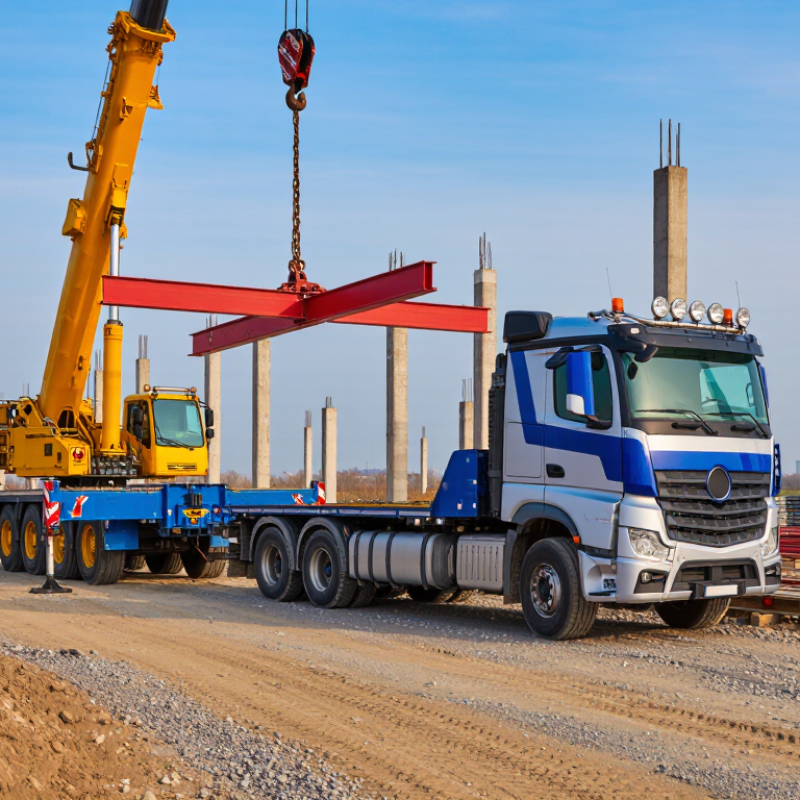
2026 Best Truck and Crane for Global Buyers
What Defines a Truck Crane and How Does It Work?
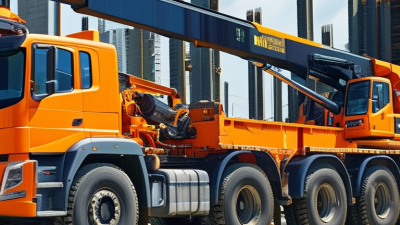
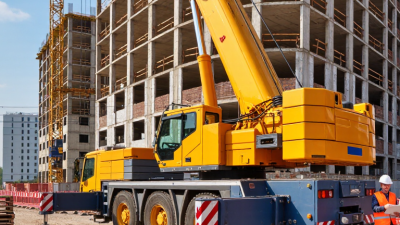
A truck crane is a mobile lifting machine mounted on a road-going truck. It combines transport, positioning, and lifting in one practical unit. The truck carries the crane between work areas, while the crane uses hydraulic power to raise and move loads. This design suits construction sites, infrastructure repairs, utility projects, and remote locations. It saves setup time. However, road access and ground conditions still matter.
During operation, the driver parks on firm, level ground. Hydraulic outriggers extend from the chassis and widen the support base. The operator then controls the boom, winch, hook, and swing system from the cab or a nearby station. A hydraulic pump moves oil through valves and cylinders. These cylinders extend the boom or adjust its angle. The load chart shows safe capacity at different boom lengths and working radii. A 10-ton rating does not mean ten tons at every reach. That assumption can cause dangerous instability.
Experienced buyers inspect the chassis, hydraulic lines, brakes, tires, controls, and emergency systems. They also check lifting records, service history, and local compliance requirements. Climate changes performance. Dust can damage seals, while cold temperatures slow hydraulic response. Operators need clear signals and verified load weights. In real projects, even a well-designed machine may face uneven soil or restricted space. Planning must account for those imperfect conditions.
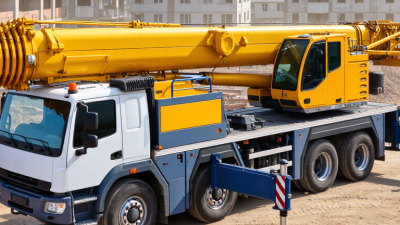
Truck cranes vary by boom design, reach, and setup time. A telescopic boom crane uses nested sections to extend quickly, making it useful for roadside repairs, utility work, and lifting materials onto mid-rise structures. Its straight boom can reach over obstacles, though the truck may need firm, level ground and adequate clearance. Check the load chart at the actual boom length and working radius. Small changes matter.
An articulating, or knuckle-boom, crane folds at several joints. It can place pallets through a narrow opening or load equipment beside the truck, which helps on crowded construction sites and delivery routes. A stiff-boom crane has fewer moving joints and suits straightforward loading where reach is less demanding. For heavier lifts, a larger truck-mounted crane may offer greater capacity, but it also needs more space for stabilizers and careful site planning.
Match the crane to the task, not just the headline lifting capacity. A machine rated for several tonnes may lift far less when the load sits far from the truck. Consider access roads, overhead wires, ground conditions, and how often the crane will move between jobs. Buyers sometimes overlook setup time. That can be costly. Specifications are useful, but a site-specific assessment by a qualified operator or lifting professional is more reliable than a quick comparison on paper.
Typical rated lifting-capacity ranges by crane type (metric tonnes)
Loader and boom trucks are often suited to deliveries, construction, and service work where mobility and quick setup matter. Rough-terrain cranes serve uneven job sites, while all-terrain and larger truck cranes cover heavier lifts and longer-distance travel. Capacity ranges are indicative, vary widely by model and configuration, and are not directly comparable without considering boom length, radius, and setup.
When comparing a truck crane, start with the real lift, not the headline capacity. A 10-ton rating may apply only at a short radius. The International Organization for Standardization requires crane capacity charts to reflect working radius, boom configuration, and operating conditions. Ask for the load chart. Then test your heaviest load at its farthest planned reach.
Reach changes the buying decision quickly. A longer boom can place materials behind barriers, but it may reduce lifting capacity and increase setup demands. Check hook height, counterweight needs, outrigger spread, and ground pressure. Eurostat’s 2023 road freight statistics recorded more than 1.8 trillion tonne-kilometres across the European Union. That figure shows why mobility matters. A crane truck must travel efficiently between sites, narrow streets, and uneven entrances. Turning radius, axle load, road clearance, and setup time deserve equal attention.
On site, measure the pavement before choosing a larger machine. The International Labour Organization stresses stable ground, competent operators, and planned lifting zones. Those details are practical, not decorative. A useful comparison sheet should include payload after crane installation, not only the empty truck rating. I would also question optimistic productivity claims. They often assume perfect weather and open access. Real projects rarely cooperate. Small omissions become expensive delays.
| Equipment Class | Typical Maximum Rated Capacity | Typical Boom or Outreach | Mobility and Setup | Common Applications | Key Buying Consideration |
|---|---|---|---|---|---|
| Truck-Mounted Loader Crane | Approximately 3–15 tonne-metres of lifting moment; capacity at a specific radius depends on the load chart. | Commonly about 8–20 m of hydraulic outreach, depending on crane size and boom configuration. | Mounted on a commercial truck chassis; travels on public roads subject to local vehicle rules. Outriggers are normally deployed for lifting. | Delivery, construction materials handling, utility work and loading or unloading the carrier truck. | Compare the load chart at the required working radius, not just the headline lifting moment. Check payload remaining after crane and equipment installation. |
| Truck Crane, 3–4 Axles | Commonly about 25–100 tonnes at short radius and in the specified lifting configuration. | Main boom length is often roughly 25–50 m; optional extensions can increase working height. | Designed for road travel between sites. Lifting generally requires firm, level ground and outrigger deployment. | Urban construction, infrastructure maintenance and general-purpose lifting. | Check axle-load limits, permitted road dimensions, counterweight transport needs and capacity at the actual radius. |
| All-Terrain Crane, 4–5 Axles | Commonly about 60–250 tonnes, depending on configuration and load-chart conditions. | Main boom length is often roughly 35–80 m; lattice extensions may be available on some configurations. | Combines road-travel capability with off-road mobility for site access. Outriggers are typically required for heavy lifts. | Industrial projects, infrastructure construction, wind-related work and larger building sites. | Review road permits, counterweight logistics, ground-bearing requirements and capacity charts for the planned outrigger setup. |
| All-Terrain Crane, 6 or More Axles | Commonly about 300–500 tonnes or more in this broad class; exact capacity is configuration-specific. | Main boom length may be roughly 60–100 m or more on some configurations, with extensions available for selected lifts. | Road-capable but often subject to route planning, axle-load restrictions and transport permits. Requires substantial setup space. | Large industrial lifts, major infrastructure projects and heavy component installation. | Assess total project lift requirements, transport and assembly costs, site access, ground preparation and full load charts. |
| Rough-Terrain Crane | Commonly about 30–150 tonnes, depending on crane size and lifting configuration. | Main boom length is often roughly 25–60 m, with the exact range varying by class and configuration. | Designed mainly for maneuvering around work sites; road speed and public-road use are more limited than for road-going crane classes. | Construction sites, plants and projects with uneven or restricted site access. | Check site terrain, tire and ground conditions, travel restrictions, outrigger footprint and the load chart for the intended setup. |
Important: Maximum rated capacity is measured under specified conditions and is usually available only at a short radius. Boom length is not the same as horizontal working radius. Before purchase, verify the manufacturer’s load chart, local road regulations, lifting standards, terrain requirements, service support and configuration-specific specifications.
For global buyers, a truck-mounted crane must match both the load and the job site. Check the load chart for the exact boom length, working radius, and outrigger setup. Useful safety features include overload alerts, boom angle indicators, emergency stops, and clear warning alarms. Cameras can help with reversing, but they do not replace a spotter or direct observation. Small details matter.
Tips: Before work begins, inspect the tires, lifting hooks, hydraulic lines, and stabilizers. Confirm that the ground can support the crane, especially near drains or soft shoulders. Keep the load level and within the rated capacity. A checklist helps, but it can still miss a changing site condition.
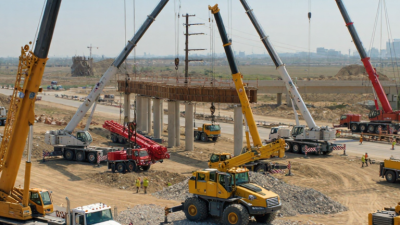
Operating conditions often shape the safest choice. Narrow streets may limit outrigger extension, while uneven ground can affect stability. Wind can move suspended loads, and poor visibility makes hand signals harder to read. Consider local temperatures, dust, access routes, and space for maintenance. Ask operators to review the manual and practice with the controls before lifting. A machine that looks suitable on paper may not fit the real site; that is easy to overlook.
Global buyers should assess the truck and crane as one working system, not as separate machines. Check the crane’s rated-load chart, stability test records, chassis axle limits, and equipment serial numbers against the supplied documents. Confirm that certificates meet the destination market’s road and lifting requirements; a familiar-looking label is not proof of acceptance. Ask who can inspect the unit locally and how quickly critical parts can arrive. Small details matter. Paperwork can look convincing while the service network remains weak.
Price the full operating life, including freight, import charges, fuel, scheduled maintenance, operator training, and likely downtime. The International Energy Agency’s 2017 report, The Future of Trucks, estimated that road freight produced about 9% of global energy-related CO2 emissions, making fuel efficiency a practical cost check as well as an environmental one. The World Bank’s 2023 Logistics Performance Index compares 139 economies across six dimensions, including customs, infrastructure, and logistics competence. Use those indicators to question delivery assumptions and spare-parts routes, then request written service response times and parts availability. No checklist is perfect. Buyers should also compare real service records, because a low purchase price can conceal costly delays.