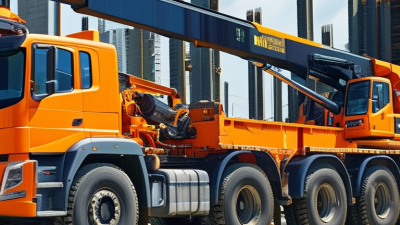
What Are the Top 10 Hydraulic Truck Crane Types?
Choosing the right hydraulic truck crane begins with the worksite, not the brochure. A highway project may need a mobile crane with fast road travel. A bridge installation may demand greater reach, stronger outriggers, and precise load control. The same machine can perform well in one setting and struggle in another. That difference matters.
This guide examines the top 10 hydraulic truck crane types used across construction, infrastructure, utilities, and industrial maintenance. It considers truck-mounted cranes, rough-terrain models, all-terrain units, telescopic boom cranes, knuckle boom cranes, and other practical configurations. Each type is compared through lifting capacity, boom length, mobility, setup time, terrain suitability, and operator visibility. Real decisions also depend on load charts, ground pressure, counterweight requirements, and transport restrictions. Small details can change the safest choice.
Experience on busy sites shows that rated capacity alone never tells the full story. Wind, uneven ground, limited access, and changing lift angles can reduce practical performance. Some classifications also overlap, which can make comparison less perfect. That is worth acknowledging. Specifications vary between manufacturers, and published figures require careful verification. This overview therefore focuses on useful distinctions rather than exaggerated claims. It aims to help contractors, fleet managers, engineers, and buyers select a hydraulic truck crane with clearer expectations, stronger planning, and safer operating judgment. Numbers help. Context decides.
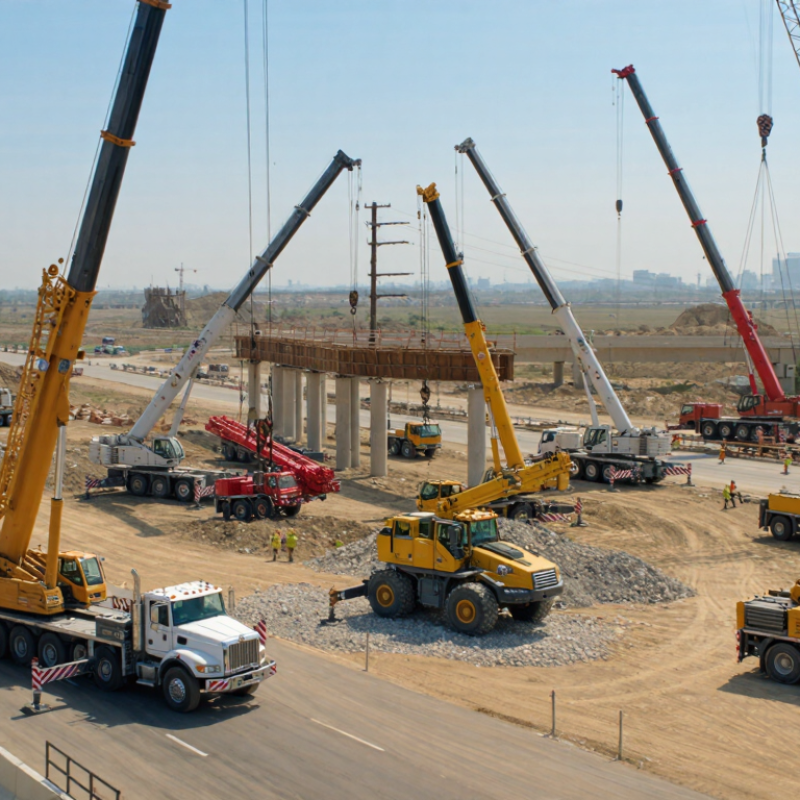
What Is a Hydraulic Truck Crane and How Does It Work?
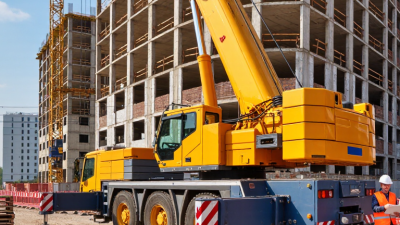
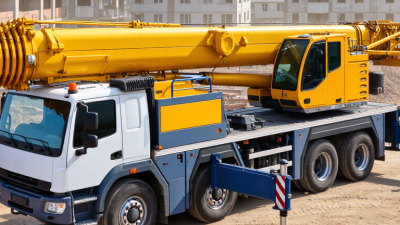
A hydraulic truck crane is a lifting machine mounted on a road-going truck. It combines transportation and material handling in one unit. Crews use it to place steel beams, concrete panels, machinery, and other heavy loads near construction sites. Common designs include telescopic-boom, knuckle-boom, rough-terrain, and all-terrain configurations. Each type suits different ground conditions, reach requirements, and lifting tasks.
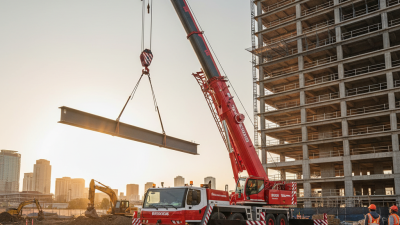
Its movement comes from pressurized hydraulic fluid. The truck engine drives a hydraulic pump, which sends fluid through control valves. The valves direct fluid into cylinders that raise the boom, extend sections, or operate the stabilizers. A hydraulic motor can turn the crane's upper structure and run the winch. The winch winds a steel rope around a drum, lifting the load through a hook block. Smooth control matters. Sudden valve movements can make a suspended load swing.
Before lifting, the operator checks the load chart, boom length, working radius, and ground strength. Outriggers spread the crane's weight and reduce movement, but they cannot correct every ground problem. A soft shoulder may still sink under an outrigger pad. That detail is easy to overlook. Wind, uneven loading, and hidden damage can also change the crane's behavior. Experienced operators watch the load, listen for unusual hydraulic noise, and keep people outside the fall zone. Not every lift goes perfectly. Careful planning, clear communication, and a willingness to stop make the equipment more reliable.
How Are Hydraulic Truck Cranes Classified by Design and Mobility?
What Are the Top 10 Hydraulic Truck Crane Types?
How Are Hydraulic Truck Cranes Classified by Design and Mobility?
Hydraulic truck cranes are classified by two practical questions: how the boom works and how the carrier travels. The ten common types include telescopic boom, knuckle boom, lattice boom, stiff boom, standard truck-mounted, all-terrain, rough-terrain, compact urban, carrier-mounted, and pick-and-carry cranes. Telescopic booms extend through nested steel sections. Knuckle booms fold neatly behind the cab. Lattice booms provide long reach with lower structural weight. Stiff booms deliver direct lifting force but offer less folding flexibility.
Mobility changes the crane’s working environment. Standard truck-mounted cranes travel efficiently between construction sites. All-terrain models combine road speed with large tires and strong suspension. Rough-terrain cranes handle uneven gravel, soil, and tight job sites. Compact urban cranes fit narrow streets and restricted yards. Carrier-mounted units use specialized platforms, while pick-and-carry cranes move short distances with suspended loads.
Design alone does not determine performance. Operators also check load charts, boom angle, counterweight, outrigger spread, and ground bearing capacity. Wet gravel may look firm but shift under one outrigger. That detail matters. A longer boom is not always better, especially near overhead structures or crowded streets. The categories also overlap, which can confuse equipment buyers. A compact crane may use a telescopic boom, while an all-terrain crane may carry a knuckle boom. Jobsite records, inspection history, and verified capacity should guide the final selection.
What Are the Top 10 Types of Hydraulic Truck Cranes?
What are the top 10 types of hydraulic truck cranes? The answer depends on boom design, chassis, and working conditions. Industry fleets commonly include ten configurations. The standard telescopic truck crane uses a straight, extendable boom for construction sites. The heavy-lift truck crane carries larger counterweights and supports higher capacity work. The compact truck crane fits narrow urban roads and restricted yards. The knuckle-boom crane folds its articulated boom around obstacles. The stiff-boom crane offers direct lifting with simple hydraulic control. Classification is imperfect.
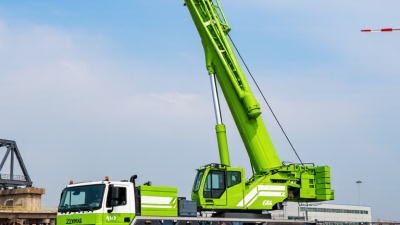
The all-terrain hydraulic crane combines road mobility with strong lifting performance. The rough-terrain crane uses a compact chassis, wide tires, and outriggers for uneven ground. The carrier-mounted crane places lifting equipment on a dedicated commercial carrier.
The tractor-mounted crane serves agricultural, utility, and field operations. The rear-mounted municipal crane loads equipment behind the cab, leaving the deck useful for materials. Operators should compare rated capacity, boom reach, outrigger spread, and ground pressure. A 10-ton rating may change sharply at longer radius.
A 2024 mobile-crane market report from Fortune Business Insights estimates the global market at about 16 billion U.S. dollars in 2023. Construction and infrastructure remain major demand sectors. EN 13000 guidance emphasizes load charts, stability, and inspection controls. ISO 4309 also highlights rope inspection and retirement criteria. In practice, weather, soil, and operator judgment can matter as much as headline capacity. This is where many equipment comparisons become too simple. A crane that looks efficient on paper may lose productivity beside a congested road or soft shoulder.
How Do Hydraulic Truck Crane Types Compare in Capacity and Application?
Hydraulic truck cranes differ mainly by boom geometry, chassis mobility, and rated capacity. The ten common types include standard telescopic cranes, knuckle-boom cranes, articulating cranes, mini truck cranes, heavy-duty truck cranes, rough-terrain truck cranes, all-terrain cranes, trailer-mounted hydraulic cranes, loader cranes, and compact urban cranes. Each serves a different working envelope. A narrow city street favors a compact or knuckle-boom model. Large bridge work needs stronger structural support.
Capacity comparisons can be misleading. A compact truck crane may lift 3–10 tonnes, while heavy-duty units can exceed 100 tonnes. However, capacity falls sharply as boom radius increases. A 20-tonne crane may lift only a few tonnes at a long reach. OSHA load-chart requirements emphasize configuration, radius, counterweight, and ground conditions. Those details matter more than the headline rating. The same crane can perform well on a firm yard but struggle beside soft excavation.
Application should guide selection. Telescopic cranes suit repeated lifting and faster setup. Knuckle-boom and loader cranes handle deliveries, steel placement, and restricted spaces. Rough-terrain models work on uneven construction sites, while all-terrain cranes balance road travel with heavier lifts. The American General Contractors 2024 workforce survey reported that 94% of contractors struggled to fill positions, and 92% experienced project delays. Simple controls and faster positioning can therefore improve productivity. Still, these ranges are practical estimates, not promises. Site surveys and certified load charts remain essential. A neat “top ten” ranking cannot replace operator judgment.
How Can You Choose the Right Hydraulic Truck Crane Type?
Choosing the right hydraulic truck crane type starts with the load, not the advertised lifting capacity.
A telescopic boom crane suits road projects requiring long reach and quick setup. A knuckle boom crane works well in tight yards, where folding the boom saves space. Stiff boom cranes offer controlled lifting for regular delivery work. Rough-terrain cranes handle uneven ground, while all-terrain models travel between paved roads and construction sites. Truck-mounted cranes provide useful mobility for urban maintenance and short-term lifting tasks.
Study the load chart carefully.
Maximum capacity usually applies close to the crane, with the boom retracted. Reach farther, and capacity drops. It is easy to misjudge this. Measure the load weight, lifting radius, working height, and ground condition before choosing. A heavy machine may need a crawler-style support system or extra stabilization, while lighter materials may suit a compact truck crane. Check outrigger width against the available work area. Narrow streets can make a powerful crane impractical.
Consider work frequency, transport distance, and operator visibility.
A folding knuckle boom can reduce storage problems but may require more careful placement. A telescopic model often offers smoother extension, though its longer profile needs more clearance. Review maintenance access, hydraulic control response, rated safety systems, and local operating requirements with a qualified engineer. Capacity charts are useful, but site measurements tell the harder truth. If the lifting plan feels uncertain, the selected crane type is probably not ready.