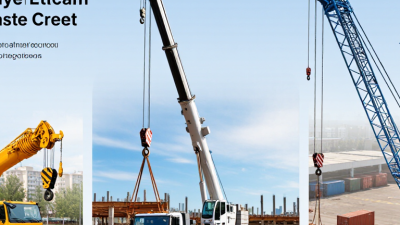
10 Best Hydraulic Truck Cranes for Sale in 2026
A hydraulic truck crane must do more than lift a headline load. Buyers need to match rated capacity, boom length, axle configuration, and road access to real jobsite conditions. A 50-ton rating, for example, does not describe the lift at every radius. Load charts, outrigger setup, ground conditions, and transport limits matter. Small details can change the decision.
Demand provides useful context, but not a buying verdict. The U.S. Census Bureau reported approximately $2.15 trillion in construction spending during 2024, a 6.5% increase from 2023. That figure signals broad construction activity; it does not measure crane purchases. Mordor Intelligence’s Mobile Cranes Market analysis also follows demand across infrastructure, energy, and construction, while grouping multiple crane types together. These sources help frame the market, not certify individual machines.
This guide compares ten hydraulic truck cranes for sale in 2026 using practical criteria: lifting charts, reach, chassis configuration, operating features, and suitability for different work. Specifications should always be checked against the manufacturer’s current documentation and the exact machine configuration. A used crane may differ from its listing. Look closely. Even a strong model can be a poor fit when access is tight, setup space is limited, or service support is far away. No ranking can replace a lift plan, and that limitation deserves more attention than it often receives.
Hydraulic Truck Cranes: Design, Types, and Main Applications
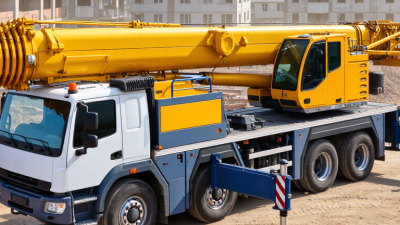
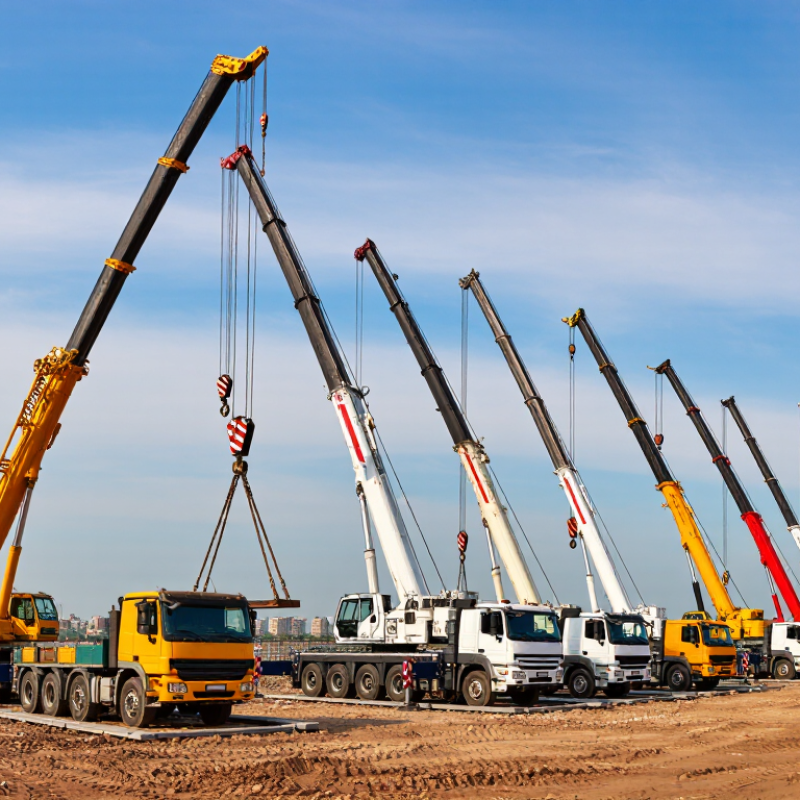
Hydraulic truck cranes combine a road-going carrier with a rotating crane assembly. The carrier moves between jobs, while hydraulic pumps and cylinders raise, extend, and position the boom. A typical setup includes a telescopic boom, a cab, counterweight, and extendable outriggers. Compact footprint, substantial reach. But reach alone does not determine lifting capacity; the load chart, boom angle, and working radius matter.
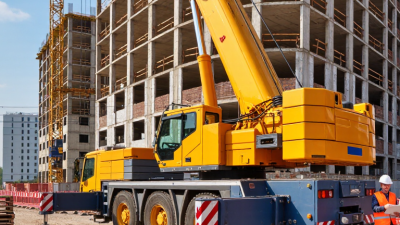
Telescopic-boom models suit jobs that need vertical reach and quick repositioning, such as setting roof equipment or lifting materials at construction sites. Knuckle-boom models fold into articulated sections, which can help when loading close to the truck or working in tighter spaces. Both rely on stable support. Crews should check the ground, use suitable outrigger mats, and confirm the planned lift against the crane’s load chart. Small setup errors can change the picture.
These cranes also support utility maintenance, road work, and industrial repairs, where equipment must move between locations and handle varied loads. Before choosing a machine, compare required reach, lifting capacity, transport dimensions, and access to the work area. Wind and uneven ground can limit a lift, even when the crane appears large enough. A clean diagram cannot capture every site condition; actual ground strength is sometimes uncertain, so planning needs room for reassessment.
Criteria for Evaluating Hydraulic Truck Cranes in 2026
In 2026, compare hydraulic truck cranes by their capacity at the working radius, not by maximum lift alone. A crane rated for a heavy load near the cab may lift far less with its boom extended. Check load charts for the exact boom length, counterweight, outrigger position, and ground conditions you expect on site. Measure the setup area, too; a wide outrigger spread can rule out an otherwise suitable machine. Inspect hydraulic hoses, cylinders, and leak records, then ask to see maintenance documentation.
Safety deserves equal weight. NIOSH’s analysis of U.S. crane-related occupational fatalities from 2011–2017 recorded 297 deaths, roughly 42 per year. The U.S. Bureau of Labor Statistics counted 1,075 fatal work injuries across the construction industry in 2023; that figure covers all causes, not cranes alone. These reports do not predict a specific crane’s risk, but they underline why buyers should review operator visibility, load-moment protection, emergency controls, and service support. A polished specification sheet can still hide awkward setup limits.
Tips: Request a witnessed test lift using a representative load and radius. Record ground firmness, outrigger configuration, and hydraulic response. If the seller cannot reproduce your working conditions, treat the quoted capacity with caution. A small mismatch matters.
Ten Hydraulic Truck Cranes for Sale in 2026
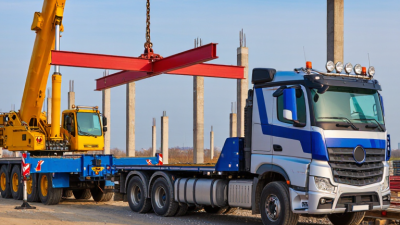
Ten Hydraulic Truck Cranes for Sale in 2026 can cover very different jobs, from setting rooftop equipment to handling steel beams. These ten configurations offer a practical starting point; actual listings, capacities, and features vary by market.
A compact 3-ton crane suits light service work and tight access. A 5-ton unit adds useful reach for small construction sites. A 10-ton crane handles heavier building materials. A 16-ton option can serve busy maintenance crews. A 20-ton crane offers more capacity, but requires careful attention to truck size and setup space. Bigger is not always better.
A 25-ton model may fit general construction work. A 30-ton crane can support larger lifts when its load chart allows. A 50-ton configuration targets demanding jobs, but transport and ground conditions matter. An articulated hydraulic truck crane can work around obstacles, though its reach and lifting figures differ from telescopic designs. A long-boom telescopic crane may suit elevated placements, provided the site allows safe outrigger deployment.
Compare each crane’s load chart at the intended radius, not just its headline capacity. Check boom length, counterweight needs, maintenance records, and chassis condition. Ask for inspection documents and confirm the listed equipment matches the machine. I would still double-check measurements on site; specifications alone can leave out awkward constraints.
10 Best Hydraulic Truck Cranes for Sale in 2026
A practical comparison of ten common hydraulic truck-crane capacity classes. The figures below are typical configuration ranges, not specifications for a particular make or model.
Comparing Lifting Capacity, Reach, Mobility, and Operating Costs
For the 10 best hydraulic truck cranes for sale in 2026, compare usable lift, not headline capacity alone. A crane rated for a heavy load at short radius may handle far less across a worksite. Check the load chart at your actual working radius, boom length, and outrigger setup. A few feet matter. Reach also affects setup: a longer boom can reduce repositioning, but may demand more clearance and a firmer pad. Catalog numbers can flatter.
Mobility is more than road speed. Check axle limits, overall dimensions, counterweight transport, and how quickly the crew can level and deploy the crane. On a narrow urban site, setup time may outweigh a small capacity advantage. AGC and Sage’s 2024 Construction Hiring and Business Outlook reported that 94% of firms with craft job openings struggled to fill them. That does not measure crane-operator availability directly, but it underlines why simpler setup and clear controls can matter.
Operating costs deserve the same scrutiny as lifting figures. The U.S. Energy Information Administration reported an average U.S. on-highway diesel price of about $3.76 per gallon in 2024; actual fuel use varies with load, idling, travel, and terrain. Ask for service intervals, tire costs, transport requirements, and expected setup hours, then compare them against your typical jobs. A spreadsheet helps, but it can still miss weather delays and uneven ground. Check the assumptions.
10 Hydraulic Truck Crane Capacity Classes to Compare in 2026
Nominal lifting capacity, in US short tons (2,000 lb per ton).
These are representative nominal capacity classes, not a ranking of specific cranes. Rated capacity depends on boom configuration, working radius, counterweight, and setup; consult the individual crane’s load chart before planning a lift. Compare boom reach, road mobility, and operating costs separately when selecting a crane.
How to Select a Crane for Different Worksite Requirements
10 Best Hydraulic Truck Cranes for Sale in 2026
How to Select a Crane for Different Worksite Requirements
Choose by lift geometry, not headline tonnage. A crane’s rated capacity depends on its working radius, boom configuration, and setup. Compare load charts at the real pick-and-place distances, including rigging and hook-block weight. Measure road width, turning space, overhead obstructions, and setup footprint. Compact urban sites need maneuverability. Soft or uneven ground may require mats or a different crane. Small details matter.
Ground conditions deserve equal attention. Outrigger reactions can exceed what a paved-looking surface safely supports. Ask for maximum outrigger loads, then have a qualified site professional assess ground capacity. Check buried utilities, drainage, approach grades, and whether the outriggers can fully extend. The U.S. Bureau of Labor Statistics recorded 1,075 fatal work injuries in construction in its 2023 Census of Fatal Occupational Injuries. That figure is not crane-specific. Still, it reinforces the value of careful lift planning and competent oversight.
Match the crane’s duty cycle and travel needs to the job. Repeated lifts at one location may justify longer setup time; scattered roadside work favors mobility. Review boom reach, jib options, wind limits, operator visibility, and maintenance access. Request load charts for the exact outrigger configuration, plus inspection records and a representative demonstration. I would not trust a tidy capacity number alone. Real sites rarely stay tidy.