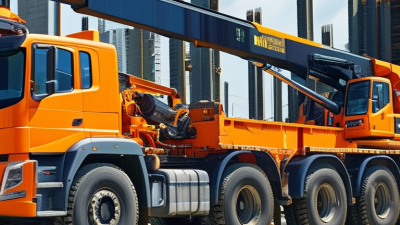
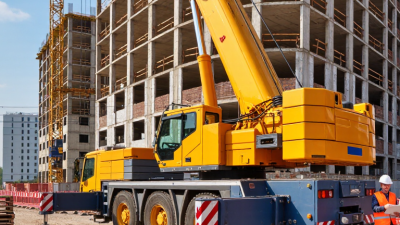
China Top 10 Crane Truck Manufacturers?
China’s crane truck market is shaped by demanding jobsites, export competition, and increasingly precise lifting requirements. Buyers compare more than rated capacity. They examine boom reach, outrigger footprint, hydraulic response, road mobility, and access to parts. A crane truck crane must perform reliably on uneven ground, beside crowded buildings, and during repeated lifting cycles. Small details matter.
Industry data helps put manufacturer claims in context. The China Construction Machinery Association’s annual industry statistics track production, sales, and export trends across equipment categories. Off-Highway Research’s global construction equipment reports provide a broader view of regional demand and market movement. UN Comtrade records can help cross-check trade flows, though product classifications do not always isolate truck cranes neatly. These sources offer useful evidence, not a perfect ranking.
This guide compares ten leading Chinese manufacturers using practical criteria: product range, lifting capacity, engineering capabilities, export presence, service support, and publicly available company information. Models and specifications change, so buyers should confirm current configurations directly with manufacturers. A large rated load is not enough. Chassis suitability and real operating conditions deserve equal attention. Not every buyer agrees. Rankings simplify a complex market, and that is a weakness worth admitting. Still, a consistent comparison can help contractors, fleet managers, and distributors identify which brands merit closer technical review.
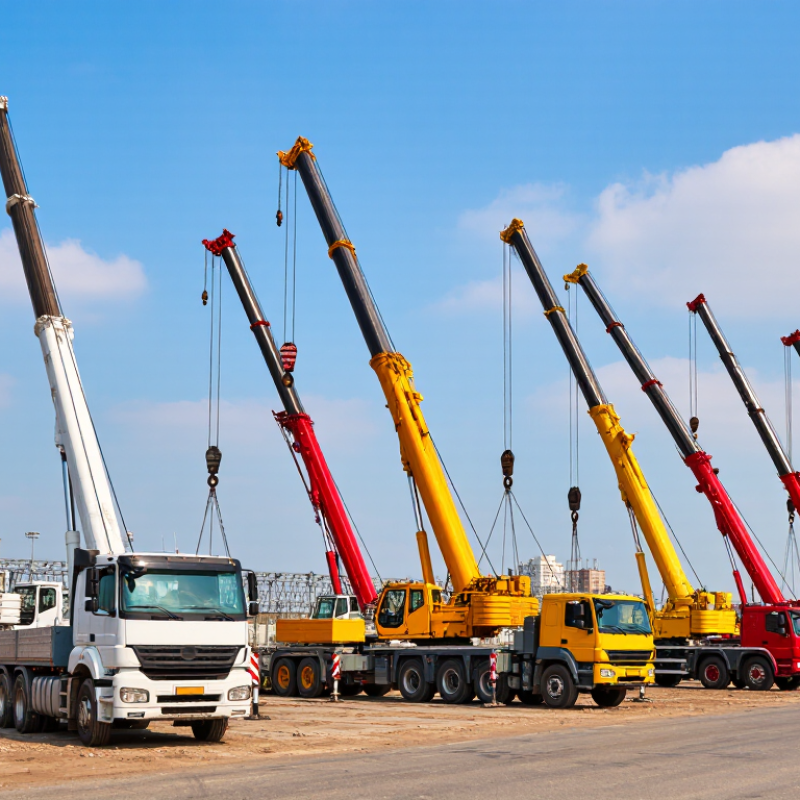
How Crane Trucks Are Defined and Classified in China
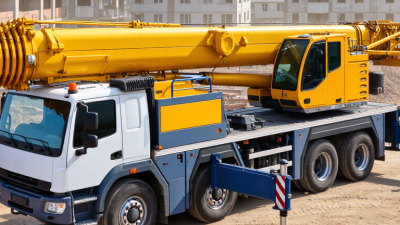
In China, “crane truck” can describe more than one machine. A truck crane carries a lifting boom on a dedicated mobile carrier, while a truck-mounted crane places a folding or telescopic crane on a cargo-truck chassis. The distinction matters: one is mainly designed for lifting, while the other can deliver loads and lift them at the job site. Everyday terminology is not always precise.
Classification usually considers the vehicle’s structure, boom design, rated lifting capacity, and mobility. A telescopic boom can extend to reach a roof edge; a folding boom may suit work in tighter spaces. Capacity figures need context. A crane rated for a certain load at short reach may lift much less when the boom extends. Always check the load chart, not just the headline number.
In practical comparisons, buyers should also review axle layout, outrigger span, road dimensions, and the intended work environment. A compact truck may fit a narrow street but offer less lifting reach. Job-site conditions change the answer. Chinese product documents and vehicle records can help clarify a machine’s configuration, though labels alone do not explain its real operating limits. I would treat broad class names as a starting point, not a complete technical description.
Criteria for Identifying China’s Leading Crane Truck Manufacturers
Choosing a leading crane truck manufacturer requires more than comparing lifting capacity or price. Review rated load charts, boom reach, chassis stability, and hydraulic response under realistic working conditions. Ask how products are inspected and whether test records match the exact truck configuration. Paper claims are easy. Evidence matters.
Tips: Request service intervals, parts availability, and written warranty terms. Check whether technicians can diagnose common hydraulic faults. If possible, inspect a working unit and watch it lift a representative load. Small details count, such as clear controls and accessible maintenance points.
A useful comparison also considers engineering consistency, customization support, delivery reliability, and feedback from operators. Confirm quality certificates and factory capabilities through current documents or an independent site visit. No score is perfect. A manufacturer may excel in production yet offer limited field support, so weigh each criterion against your actual workload. Be cautious with rankings based only on promotional material; the best fit depends on terrain, lifting frequency, and service access.
Profiles of 10 Major Crane Truck Manufacturers in China
China’s crane-truck sector includes manufacturers with different strengths, from compact urban equipment to heavy-duty lifting systems. A useful profile of ten major manufacturers compares their engineering focus rather than relying on product claims alone. Some concentrate on lighter cranes for narrow streets and repair work. Others build higher-capacity units for construction sites, utility projects, or material handling. Several specialize in matching cranes to locally produced truck chassis, while others offer more export-oriented configurations. Production scale varies. So do boom reach, outrigger design, hydraulic controls, and cab visibility. These differences matter at a real jobsite, where ground conditions and access can change the plan quickly.
Tips: Compare rated capacity at the stated working radius, not just the headline lifting figure. Check chassis compatibility, service access, and parts availability. Ask for the load chart.
A careful buyer should review technical documents and inspect a working unit when possible. Look closely at weld quality, hose routing, control response, and stabilizer setup. These details can reveal more than a polished brochure. Manufacturer profiles should also note testing procedures, operator training, and support after delivery. Some published specifications may not explain site limits clearly; that deserves a second look. The right choice depends on the load, terrain, duty cycle, and local service network, not simply the largest crane.
Key Products, Technologies, and Industry Applications
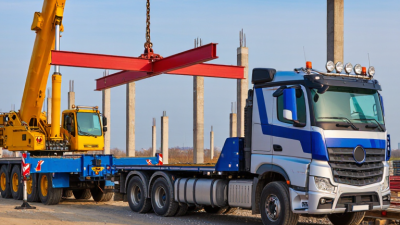
China’s crane truck sector serves construction, utilities, logistics, and emergency maintenance. Manufacturers commonly offer truck-mounted cranes with lifting capacities suited to compact urban jobs or heavier site work. Product choices include telescopic-boom models, knuckle-boom cranes, and vehicles with extended outrigger systems. Hydraulic load-sensing controls can improve precision, while electronic monitoring helps operators track load and boom position. These features matter when placing steel beams beside crowded roads or lifting equipment onto rooftops.
Tips: Match rated capacity to the load radius, not just the advertised maximum. Check outrigger footprint, chassis stability, service access, and spare-parts availability. Ask for operating demonstrations with realistic loads. Small details count.
Technology claims need practical verification. A longer boom may reach farther, but it can reduce lifting capacity and require more setup space. For municipal repairs, maneuverability and quick deployment may outweigh peak tonnage. On construction sites, lifting charts and ground conditions deserve close attention. Specifications alone are not enough; maintenance records and operator feedback reveal how a crane truck performs after months of daily use. Some comparisons remain imperfect, because configurations and test conditions differ.
How to Compare Manufacturers for Different Purchasing Needs
When comparing China’s top crane truck manufacturers, start with the job, not the catalog. A truck lifting steel beams on a construction site needs different reach and stability from one unloading pallets beside a warehouse. Share typical load weights, lifting radius, road conditions, and daily operating hours. Then compare load charts, boom options, chassis capacity, and outrigger dimensions. A larger rated capacity alone does not guarantee a better fit. Details matter.
Ask each manufacturer for a configuration sheet, inspection records, and clear information about spare parts and service response. Check whether the proposed truck’s dimensions suit your site access and local transport needs. If possible, inspect a working unit and watch a load test; photos can miss details around welds, controls, and finish. Compare warranty terms in writing, including what is covered and who handles repairs. One comparison can be misleading. I would also question a very low quote if key components or delivery scope are vague. That may be an awkward conversation, but it is better to clarify before placing an order.