China has become a major source of heavy crane equipment for construction, ports, shipyards, mining, and industrial production. Its manufacturers offer overhead cranes, gantry cranes, crawler cranes, tower cranes, and custom lifting systems. However, choosing a reliable supplier requires more than comparing prices or reading attractive brochures.
A dependable heavy crane manufacturer should demonstrate practical engineering experience. Look for clear load charts, tested structural welds, protected control cabinets, and reliable gearboxes. Ask how the company manages factory inspections, load testing, installation, and spare parts. Details matter. A well-designed crane should move smoothly, stop accurately, and remain stable under demanding working conditions. Supplier experience becomes visible in small decisions, such as cable routing, limit-switch placement, and access for maintenance.
Not every large company fits every project. A polished website is not proof of performance. Buyers should review production records, technical drawings, quality procedures, and customer feedback before signing an agreement. Independent inspections can provide additional confidence. So can a factory visit, although travel schedules and language differences may complicate the process.
This guide examines leading Chinese crane manufacturers and suppliers through practical criteria, including product range, engineering capability, manufacturing quality, certifications, delivery support, and after-sales service. It also considers communication reliability and customization ability. Some suppliers may excel at standard equipment but struggle with unusual spans or harsh environments. That limitation deserves attention.
The right partner should support safe operation beyond delivery. Clear manuals, operator training, maintenance guidance, and responsive service protect long-term value. Careful comparison remains essential. Mistakes can be expensive.
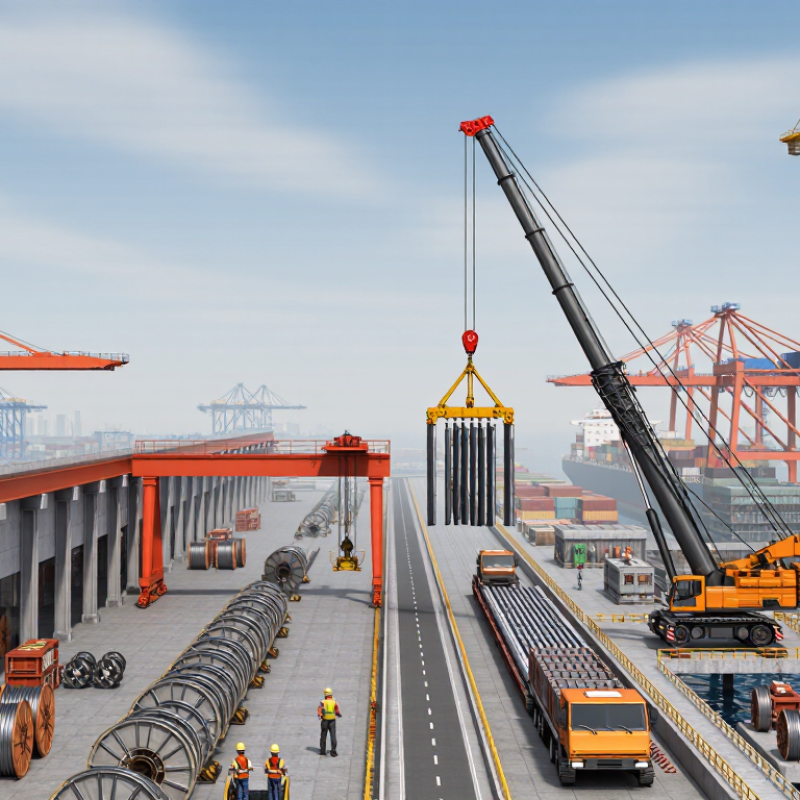
China’s heavy crane manufacturing industry combines steel processing, electrical controls, machining, and project engineering. Production centers often support complete systems, from girder fabrication to load testing and installation planning. Many suppliers serve ports, power projects, shipyards, mines, and large construction sites. Their equipment may include overhead cranes, gantry cranes, and heavy-duty lifting systems.
Quality depends on more than lifting capacity. Buyers should examine welding records, motor protection, brake performance, emergency controls, and tested load data. A reliable supplier can explain duty class, operating temperature, maintenance access, and spare-part availability.
Factory inspections are useful because paint can hide uneven welds. That detail matters. The industry is capable, but not flawless. Some product pages still provide limited technical evidence, which makes careful verification essential.
Tips: Request drawings before pricing. Check the rated load and span together. Ask for inspection reports, manuals, and service response times. Confirm whether local electrical standards are supported. A small mismatch in voltage or runway alignment can create expensive delays. Also, discuss actual working cycles, not just the maximum load. This often reveals whether the proposed crane fits the site.
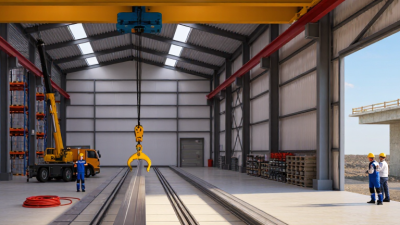
China’s heavy crane industry produces several designs for factories, ports, construction sites, and energy projects. Overhead bridge cranes run on runway beams inside workshops. Their electric hoists move steel coils, molds, and machinery across fixed spans. Double-girder structures usually suit higher capacities and frequent lifting cycles.
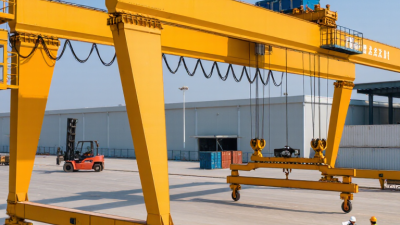
Gantry cranes use legs and rails instead of indoor runway beams. They work well in shipyards, precast concrete yards, and outdoor storage areas. Rubber-tyred gantry cranes offer better mobility, while rail-mounted versions provide steadier movement over fixed routes.
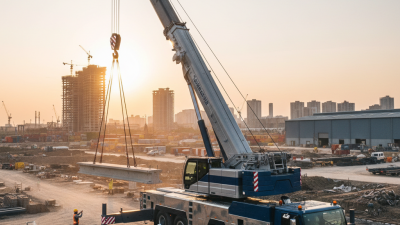
Crawler cranes combine a lattice boom with tracked undercarriages. They can cross rough ground, but transport planning remains a serious cost.
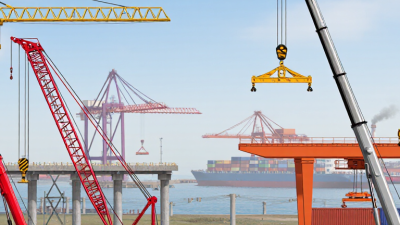
Port operations often require ship-to-shore cranes and rubber-tyred container cranes. These systems need accurate positioning, corrosion protection, and reliable anti-sway controls. Tower cranes support high-rise construction, although they are not always classed with the heaviest lifting equipment. Their reach matters more than simple rated capacity.
Details matter.
A supplier should provide load charts, duty classifications, structural calculations, inspection records, and clear spare-parts information. Buyers should also check welding quality, brake response, emergency stops, and operator visibility.
In practice, a larger crane is not automatically safer. Poor foundation data can undermine an excellent design. I have seen specifications that looked complete but lacked working-temperature limits. That omission deserves a second review.
Supplier experience, documented testing, and responsive technical support often separate a dependable crane from an expensive problem.
Leading Chinese crane manufacturers combine heavy fabrication experience with disciplined engineering processes. Their workshops often handle bridge cranes, gantry cranes, and custom lifting systems for ports, steel plants, power projects, and construction sites. Large welding bays, plate-cutting equipment, and machining centers support consistent production. Still, equipment alone does not guarantee quality.
Strong manufacturers begin with site conditions, not a standard catalogue. Engineers review lifting capacity, span, duty cycle, temperature, wind exposure, and available power. They then prepare load calculations, structural drawings, control logic, and maintenance access plans. This practical approach reduces costly changes during installation. Small details matter. Cable routing matters.
Quality control should continue through every stage. Inspectors may verify steel certificates, weld procedures, dimensional tolerances, gearbox performance, and brake response. Factory load tests can reveal unusual vibration, slow braking, or uneven trolley movement before shipment. Reliable suppliers also provide inspection records, operation manuals, spare-part lists, and technician training. Documentation is evidence, not decoration.
Leading suppliers increasingly use variable-frequency drives, remote diagnostics, overload protection, and anti-sway functions. These features can improve positioning and reduce mechanical stress when correctly configured. However, advanced controls cannot repair weak engineering or poor operator training. In my view, communication remains an overlooked capability. A technically capable factory may still miss expectations if drawings, delivery limits, or commissioning duties are unclear. That weakness deserves honest review.
China Top Heavy Crane Manufacturers and Suppliers
When evaluating heavy crane suppliers in China, start with the equipment’s working conditions, not the catalogue price. Define lifting capacity, span, lift height, duty cycle, temperature range, and installation site. A 100-ton crane used in a steel plant needs different protection from one used in a warehouse. Ask for load charts, motor specifications, brake details, and structural calculations. Vague answers deserve caution.
Request evidence from the factory. Check quality certificates, welding procedures, material records, and factory acceptance test reports. During a site visit, inspect weld seams, machining accuracy, paint thickness, cable routing, and emergency stop access. Photos can help, but they cannot replace physical inspection. Ask whether testing uses calibrated instruments. This small detail matters. Also verify the supplier’s experience with similar spans and duty classes, not merely total sales volume.
Reliable communication is equally important. The supplier should provide clear drawings, installation instructions, spare-parts lists, and a realistic delivery schedule. Speak with previous customers when possible, especially those operating cranes under comparable loads. Review warranty terms carefully. They should explain response times, technician availability, and responsibility for commissioning. I would not accept the lowest quotation without checking exclusions; transport, installation, operator training, and replacement parts are often missing. Some specifications may remain unclear after several meetings, which is a warning to slow the purchase and ask better questions.
| No. | Evaluation Dimension | Suggested Weight | What to Verify | Practical Acceptance Benchmark | Score (1–5) |
|---|---|---|---|---|---|
| 1 | Design Capability and Engineering Control | 14% | Load calculations, crane layout, duty classification, structural drawings, finite-element analysis where applicable, and design-change procedures. | Complete design documentation identifies rated load, span, lifting height, work duty, operating environment, design loads, and applicable standards. | ___ |
| 2 | Compliance with Applicable Standards | 12% | Declared design and manufacturing standards, risk assessments, inspection procedures, and conformity documents. | The proposal clearly states the applicable requirements, such as GB/T 3811, GB/T 14405, GB/T 6067.1, ISO 9001, or customer-specified international standards. | ___ |
| 3 | Rated Capacity and Duty Performance | 10% | Rated load, load spectrum, duty class, lifting speed, travel speed, starts per hour, and operating hours per day. | The selected crane is sized for the actual load spectrum and working cycle rather than only the maximum single lift. | ___ |
| 4 | Structural Materials and Fabrication Quality | 10% | Material certificates, plate traceability, welding procedures, welder qualifications, dimensional inspection, and non-destructive testing records. | Critical welds and structural components have documented inspection records, traceable materials, and measurable dimensional tolerances. | ___ |
| 5 | Hoisting, Drive, and Electrical Components | 9% | Motor and brake ratings, gearbox specifications, rope or chain selection, control panels, protection ratings, variable-frequency drives, and spare-parts availability. | Component specifications match the duty class and site conditions; electrical documentation includes wiring diagrams, protection settings, and recommended spare parts. | ___ |
| 6 | Safety Systems and Protective Devices | 10% | Overload protection, emergency stop, upper-limit protection, travel limits, buffers, anti-collision devices, guards, warning systems, and wind protection when required. | Safety devices are included in the technical offer, tested before shipment, and supported by inspection and operation records. | ___ |
| 7 | Factory Quality Management | 8% | Quality-management certification, incoming inspection, in-process controls, final inspection, calibration records, and corrective-action procedures. | The supplier can provide current quality certificates and objective records for similar crane assemblies without unexplained gaps. | ___ |
| 8 | Testing and Factory Acceptance | 8% | No-load and load tests, brake tests, travel tests, limit-switch tests, electrical tests, dimensional checks, and inspection reports. | A documented factory acceptance test plan is agreed before production, with purchaser or independent inspection access when required. | ___ |
| 9 | Installation and Commissioning Support | 6% | Installation drawings, foundation or runway requirements, commissioning procedures, operator training, and on-site technical support. | The supplier defines responsibilities, site prerequisites, commissioning deliverables, and training coverage in the contract. | ___ |
| 10 | After-Sales Service and Spare Parts | 5% | Warranty terms, service response process, troubleshooting support, maintenance manuals, spare-parts lists, and parts lead-time commitments. | The supplier provides clear warranty exclusions, service contacts, recommended maintenance intervals, and an identified spare-parts strategy. | ___ |
| 11 | Delivery, Packaging, and Project Control | 4% | Manufacturing schedule, progress reporting, packing method, corrosion protection, shipping dimensions, lifting points, and export documentation. | The contract includes milestone dates, document-submittal dates, packing requirements, inspection hold points, and shipment-release conditions. | ___ |
| 12 | Total Cost of Ownership | 4% | Purchase price, installation, commissioning, energy consumption, scheduled maintenance, consumables, spare parts, and expected service life. | The evaluation compares the complete lifecycle cost instead of selecting only the lowest initial quotation. | ___ |
| Total | 100% | Recommended weighted score: Sum of each score × its suggested weight. | |||
China’s heavy cranes serve steel mills, shipyards, ports, power projects, and major infrastructure sites. Their lifting capacities often exceed 100 tonnes, with customized systems reaching far higher levels. The International Energy Agency reported that global renewable capacity additions reached nearly 510 GW in 2023. Large wind components therefore require crawler cranes, gantry cranes, and port lifting systems with precise load control. Field experience shows that site access, soil strength, wind limits, and maintenance support matter as much as rated capacity.
Export demand is strongest across Southeast Asia, the Middle East, Africa, and parts of South America. These regions are expanding ports, industrial parks, bridges, refineries, and renewable-energy facilities. The World Steel Association reported global crude steel production of about 1.89 billion tonnes in 2023. That scale supports continuing demand for heavy material-handling equipment. Chinese suppliers compete through flexible engineering, shorter production cycles, and competitive component sourcing. However, price alone is a weak purchasing metric. Buyers should verify load-test records, control-system standards, spare-parts availability, and local technician training. Some market reports estimate steady annual crane-market growth above 5%, but forecasts differ considerably. Data can be optimistic. Actual project awards, financing conditions, and customs requirements often change delivery plans. Exporters with documented inspections and practical commissioning support usually create more dependable results.