7 Best Heavy Cranes for Sale in 2026

Choosing a heavy crane is rarely about lifting capacity alone. A machine rated for 500 tonnes may still be the wrong fit when access roads are narrow, ground pressure is limited, or the boom must clear nearby structures. Buyers should compare working radius, transport configuration, setup time, operator visibility, and parts support—not just the headline load chart.

The market is substantial, but broad industry figures need careful interpretation. KHL Group’s 2024 Yellow Table reported combined 2023 sales of US$243.4 billion for the world’s 50 largest construction equipment manufacturers, up 3.8% from the previous year. That figure covers construction equipment overall, not cranes alone. It offers useful context, not proof that every crane segment is growing at the same pace. Buyers should also check current manufacturer specifications and verify rated capacities against the exact configuration and site conditions.

This guide compares seven heavy cranes for sale in 2026 across different lifting needs, from mobile operations to demanding heavy-lift projects. We consider capacity, mobility, setup demands, and practical ownership factors. No single model wins every job. Some details also remain difficult to judge from brochures; real site experience and service access can change the decision. The aim is a grounded shortlist, not a promise that one machine suits every project.
7 Best Heavy Cranes for Sale in 2026

Understanding Heavy Cranes and Their Main Types

Heavy cranes lift loads beyond the reach of standard construction equipment, but their capacities depend on setup. A crane’s maximum rating is not available at every boom length or working radius. Check the load chart for the exact configuration, including counterweight and outrigger position. Small details matter.

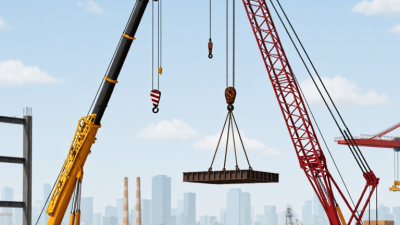
Crawler cranes travel on tracks and can offer stability on prepared, uneven ground, though moving them between sites takes planning. Rough-terrain cranes use large tires and suit compact, rugged work areas. All-terrain cranes combine road travel with strong off-road capability, while truck-mounted cranes can reduce travel and setup time for suitable jobs. Tower cranes provide height and reach for sustained work on tall structures. Each type has trade-offs. Ground strength, access routes, lift frequency, and transport dimensions help determine the right fit. A quoted maximum capacity can look impressive but say little about a lift at long reach. That detail is easy to overlook, even during careful planning.

Key Factors for Choosing a Heavy Crane in 2026

Heavy crane selection in 2026 begins with the lift, not the advertised maximum capacity. A 200-ton rating can mislead if the load sits far from the crane’s center. Record the heaviest load, lift radius, hook height, and travel path. Include rigging weight, too. Small omissions matter.

Check the site before comparing machines. Soft ground, overhead lines, narrow gates, and tight turning areas can rule out an otherwise suitable crane. Ask for ground-pressure data and the required outrigger footprint, then compare them with a site survey. Access matters. A crawler crane may suit repeated lifts on prepared ground, while a truck-mounted unit can help when several locations need service. That trade-off is easy to underestimate.

Review the duty cycle and maintenance plan, not just the purchase price. Frequent heavy lifts may call for a crane with a suitable load chart across the working radius, stable controls, and accessible service points. Confirm operator training, inspection records, parts availability, and realistic delivery timing with qualified suppliers. Verify every configuration against the manufacturer’s load chart; attachments can change capacity. I would also leave room for uncertainty: weather delays and uneven ground rarely follow the schedule. A site-specific lift plan helps expose those assumptions before the crane arrives.

Seven Heavy Cranes to Consider for Sale in 2026

Seven Heavy Cranes to Consider for Sale in 2026

Choosing among seven heavy crane types starts with the worksite, not the headline lifting capacity. Crawler cranes travel on tracks and suit demanding lifts on prepared ground. All-terrain cranes combine road mobility with access to uneven sites. Rough-terrain cranes are built for slower travel across compact, irregular work areas. Truck-mounted cranes can move between jobs quickly, but their lifting limits depend on setup and reach. Details matter.

Tips: Compare load charts at your actual working radius. Check counterweight requirements, ground pressure, transport dimensions, and available service records. A crane that lifts less on paper may fit your site better.

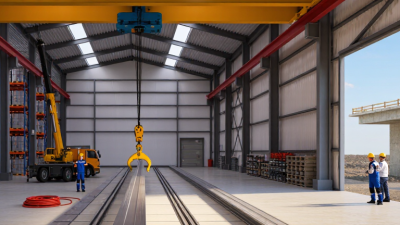
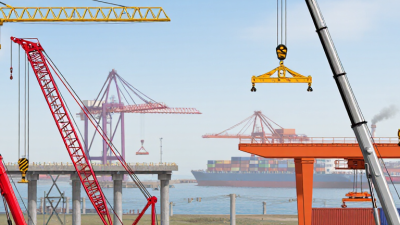
Tower cranes serve tall, long-duration building projects, while gantry cranes move heavy loads along fixed rails or frames. Floating cranes handle lifts from barges or other vessels where land-based access is limited. Before buying in 2026, inspect structural components, wire ropes, controls, and maintenance documentation with a qualified technician. Verify the configuration, too: attachments and setup can change operating capacity. No category is a perfect fit for every job, and I would not choose from specifications alone. A missed site constraint can make an impressive machine impractical.

7 Best Heavy Cranes for Sale in 2026

Seven heavy crane types to consider, compared by representative maximum rated lifting capacity.

How to read this chart: Capacities are rounded upper-end published ratings for representative crane configurations, not guaranteed lift capacities for every machine in a category. The vertical axis is logarithmic so both smaller and larger cranes remain visible.

Actual capacity depends on configuration, boom length, radius, counterweight, and site conditions. Use the manufacturer’s load chart to assess a specific crane; these figures are benchmarks, not sale listings or a ranking.

Comparing Crane Capacity, Mobility, and Applications

Heavy cranes differ less by headline capacity than by how they reach the load. Crawler cranes carry heavy loads across prepared ground, but moving them between sites takes planning. All-terrain cranes travel on roads and handle uneven access, making them useful for bridge work and industrial projects. Rough-terrain cranes suit compact, muddy sites, though public-road travel is limited.

Truck-mounted cranes move quickly between jobs and work well for shorter lifts. Telescopic crawler cranes combine tracked mobility with a boom that extends rapidly. Lattice-boom crawlers can lift substantial loads at long reach, but assembly needs space and time. Tower cranes serve tall building projects, where height and reach matter more than road mobility. Compare each crane’s rated capacity at the planned radius, not just its maximum figure. A load that looks manageable near the crane may exceed limits farther out.

Tips: Check ground pressure, access routes, setup space, and transport requirements before buying. Ask for load charts and inspection records. Check the setup.

Capacity charts help, but they do not replace a site review. Soil strength, wind, obstacles, and rigging can change the safe working plan. It is easy to overvalue maximum capacity; the right crane is the one that can reach the load safely and fit the job’s real conditions.

7 Best Heavy Cranes for Sale in 2026 — Comparing Crane Capacity, Mobility, and Applications
Rank Crane Type Typical Maximum Rated Capacity Mobility and Setup Best-Fit Applications Key Advantage Purchase Consideration
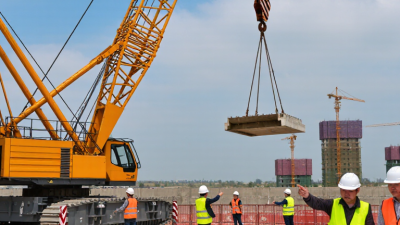
1 Lattice-Boom Crawler Crane Approximately 100–3,000+ metric tonnes, depending on configuration Moves on crawler tracks; typically transported in components and assembled on site. Can travel slowly on prepared ground. Power plants, bridge construction, industrial projects, wind-energy installation, and major infrastructure lifts. Very high lifting capacity and strong stability for long-duration projects. Allow for transport, assembly space, ground preparation, and the cost of moving counterweights and boom sections.
2 All-Terrain Mobile Crane Approximately 50–1,200 metric tonnes Road-capable multi-axle carrier with all-wheel drive and steering; uses outriggers for lifting. Industrial maintenance, infrastructure projects, wind farms, and lifts across multiple job sites. Combines highway travel with strong lifting performance on prepared or moderately uneven sites. Check axle-load limits, permits, counterweight transport, outrigger footprint, and the rated chart at the required radius.
3 Hydraulic Crawler Crane Approximately 80–600 metric tonnes Tracked carrier offers low-speed movement around a site; boom and attachments are configured for the lift. Bridge work, industrial construction, wind-energy projects, and sites where a crane must reposition under controlled conditions. Combines crawler stability with hydraulic boom adjustment and useful on-site mobility. Confirm ground-bearing pressure, transport dimensions, boom configuration, and whether the crane may travel with a suspended load.
4 Rough-Terrain Crane Approximately 30–160 metric tonnes Compact, single-carrier machine designed for off-road job sites; typically lifted from outriggers. Building construction, plant work, utility projects, and confined sites with uneven or unpaved access. Manoeuvrable on rough ground and generally quicker to position than a large multi-axle crane. Usually not intended for long-distance highway travel; verify terrain conditions, outrigger support, and lift radius.
5 Truck-Mounted Telescopic Crane Approximately 20–120 metric tonnes Truck carrier can travel on roads; telescopic boom deploys quickly, with outriggers used for lifting. Urban construction, equipment delivery, utility work, and frequent short-duration lifts at different locations. Fast road travel and relatively quick setup make it useful for varied, time-sensitive jobs. Capacity falls as working radius increases; check road-access limits, permits, and the specific load chart.
6 Tower Crane Approximately 8–80 metric tonnes, depending on design and jib configuration Stationary during operation; assembled and anchored or supported at the site, with some designs climbing as a building rises. High-rise construction, large building projects, and sites requiring repeated lifts over a broad area. Provides substantial hook height and efficient coverage for repetitive construction lifts. Requires engineering, foundations or ties, erection and dismantling planning, and careful capacity checks at the jib radius.
7 Floating Heavy-Lift Crane Approximately 300–10,000+ metric tonnes for specialized units Mounted on a barge or purpose-built vessel; transported by water and positioned at the marine work site. Offshore energy projects, shipbuilding, port construction, and installation of large marine structures. Can handle exceptionally heavy lifts where land-based crane access or capacity is impractical. Availability is location-dependent; assess vessel access, water depth, weather limits, mooring, and marine lift engineering.
Capacity figures are approximate market ranges for crane types, not guaranteed lift capacities for a specific machine. Actual capacity depends on the load chart, boom or jib configuration, working radius, ground or vessel conditions, counterweight, and applicable regulations. Confirm the manufacturer’s specifications and obtain a lift plan before purchase or operation.

What to Check Before Purchasing a Heavy Crane

7 Best Heavy Cranes for Sale in 2026
What to Check Before Purchasing a Heavy Crane

A crane’s headline capacity can be misleading. Actual lifting capacity changes with boom length, working radius, counterweight, and outrigger position. Ask for the load chart matching the exact configuration you plan to use. Then compare it with real lift plans, not occasional peak loads. Numbers can mislead.

Inspect the machine’s service history, wire ropes, hydraulic lines, tires, and structural areas for cracks or repairs. Request recent inspection records and confirm that replacement parts and qualified service are accessible. Check ground-bearing requirements, outrigger dimensions, transport height, and site access before committing. A crane that fits the lift but cannot reach the work area is an expensive mismatch.

Safety records deserve equal attention. The U.S. Bureau of Labor Statistics’ National Census of Fatal Occupational Injuries recorded 1,075 fatal work injuries in construction in 2023. That figure is not crane-specific, but it highlights the stakes of equipment selection and operating conditions. Have a competent crane professional review the proposed setup and lift requirements. A spreadsheet helps, but it cannot reveal every site constraint; I would still verify clearances and ground conditions in person.