Top 10 Types of Trucks With Cranes for Buyers?

Choosing a truck with a crane starts with the work it must perform, not just its lifting capacity. A landscaping crew may need a compact vehicle for narrow streets, while a construction site may require greater reach and a stronger chassis. The right choice depends on load weight, lift height, travel distance, and where the truck will operate.

This guide covers ten common types, from knuckle boom and telescopic crane trucks to service, flatbed, and all-terrain models. Each design offers different trade-offs. A knuckle boom can fold neatly behind the cab; a telescopic boom may provide useful reach for placing materials over obstacles. Yet a longer reach does not automatically mean a better fit. Payload, stabilizer footprint, truck dimensions, and the weight of the crane itself all affect real-world usefulness.

Look beyond the headline specifications. Ask how often the crane will work, what loads it will handle, and whether the truck can access typical job sites. Check maintenance support and operator controls, too. A polished brochure cannot show every cramped driveway or uneven surface. That matters. Buyers sometimes focus on maximum capacity, then discover their everyday loads are awkward to position. There is no perfect type for every job, and even a careful comparison leaves room for judgment. Use this overview to narrow the options and identify the questions worth asking before purchase.
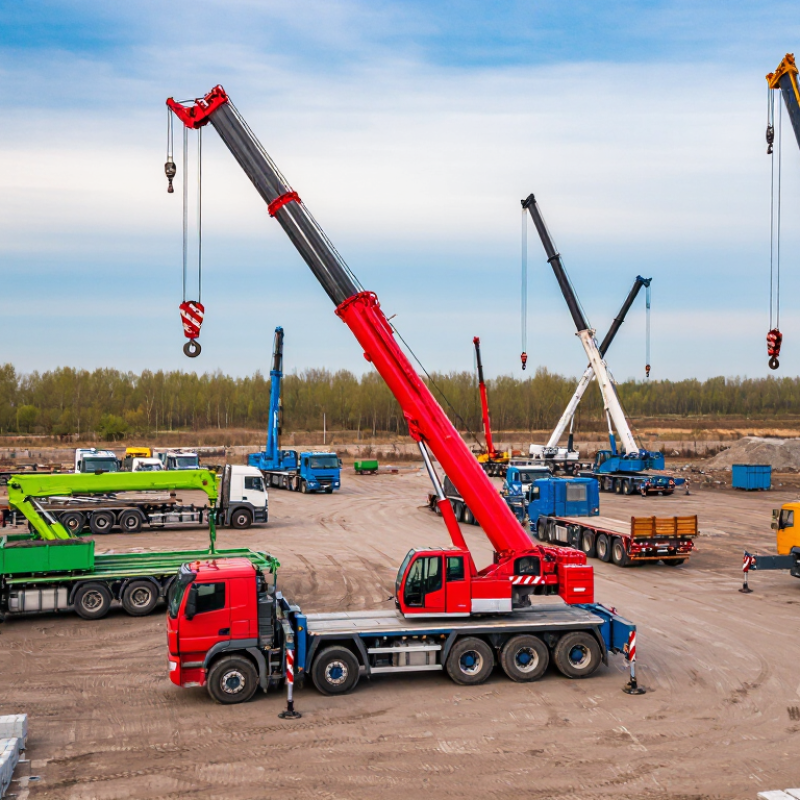
Top 10 Types of Trucks With Cranes for Buyers?

What Defines a Truck-Mounted Crane and How It Works

A truck-mounted crane is a lifting machine fixed to a road-going chassis. Its engine powers a hydraulic pump, which moves cylinders to raise or extend the boom. A winch and wire rope lift loads vertically. Some booms telescope; others articulate at several joints. The truck carries the crane between jobs, but the chassis alone does not make a lift safe.

Before lifting, the operator checks the load chart, boom reach, crane configuration, and ground conditions. Outriggers spread the load across stabilizing pads; on soft soil, those pads may need larger support mats. A longer reach usually means less lifting capacity. Small details matter. A load that looks modest can exceed the chart when the boom is extended. OSHA’s analysis of Bureau of Labor Statistics data recorded 297 crane-related worker deaths from 2011 to 2017, or about 42 per year.

The setup deserves as much attention as the crane itself. A level truck, fully deployed outriggers, clear overhead space, and a known load weight all affect stability. The chart is essential, but it cannot assess hidden weak ground or a shifting load. NIOSH’s 2006 report on construction crane fatalities documented 632 deaths from 1992 to 2002, underscoring why buyers should assess operator training and setup procedures alongside rated capacity.
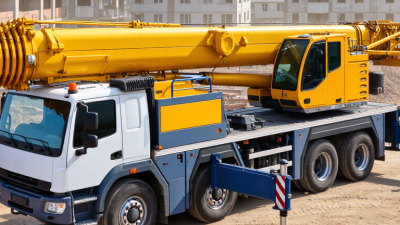
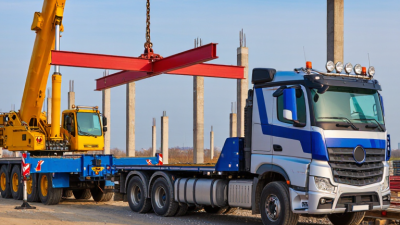
The Main Crane Systems Used on Trucks

Truck-mounted cranes mainly use hydraulic systems, powered by a truck’s power take-off or a separate power unit. Knuckle-boom cranes fold at several joints, making them useful where storage space is tight or loads must pass around obstacles. Their hoses and joints need careful inspection. Compact reach matters.

Telescopic cranes extend nested boom sections, often using hydraulic cylinders. They suit jobs needing straighter, higher reach, such as placing materials beside a building. Compare rated capacity at the actual working radius; a crane’s headline lifting figure can be misleading once the boom extends. Some truck cranes also use cable-and-winch systems for controlled lifting or lowering. On a walk-around, check for hydraulic leaks, worn hoses, damaged pins, and smooth extension.

System choice is also a safety decision. CPWR’s 2020 Data Bulletin on crane-related construction fatalities recorded 297 fatal occupational injuries involving cranes from 2011 to 2017, about 42 per year. These figures cover construction crane incidents broadly, not truck-mounted systems alone, so they do not rank crane designs. They do reinforce the need to match the crane, load, ground conditions, and operator training. I still see buyers focus on reach alone. That can be a costly omission.

Top 10 Types of Trucks With Cranes for Buyers

Truck-mounted crane buyers can compare ten common configurations: pickup-mounted, utility-body, flatbed, service-body, knuckle-boom, stiff-boom, telescopic-boom, lattice-boom, heavy-haul crane carrier, and all-terrain crane truck. Pickup units suit light lifts and tight access. Utility and service bodies carry tools for field repairs. Flatbeds simplify loading bulky materials. Knuckle-boom cranes fold compactly, while stiff-boom models offer straightforward lifting. Telescopic booms provide reach with a smaller transport footprint. Lattice booms handle demanding lifts but need more setup space. Heavy-haul and all-terrain carriers serve larger loads and challenging routes. Each label can overlap in supplier descriptions, so check the actual crane configuration and rated capacity.

Match the truck to the heaviest planned load, lift radius, road conditions, and available setup area. A crane rated for a large load may lift far less at extended reach. BLS reported 1,075 fatal work injuries among construction and extraction workers in 2023; this figure is not crane-specific, but it underscores the stakes of safe equipment planning. Ask for the load chart, outrigger requirements, and inspection records before comparing prices. Check axle ratings, too. Buyers sometimes overlook them. A compact truck can reach a narrow site, yet leave little room for stabilizers; that trade-off deserves a site visit, not a guess.

Top 10 Types of Trucks With Cranes for Buyers

# Truck Type Crane Configuration Typical Working Reach Best Suited For Key Buying Consideration
1 Light-Duty Service Truck Compact telescopic crane, commonly mounted behind the cab or on the service body Approximately 3–9 m Field repairs, lifting pumps or tools, and handling small components at work sites Check payload after the crane and service body are installed, as well as available stabilizer space.
2 Articulating Loader-Crane Truck Jointed boom folds for transport and can reach around obstacles Approximately 5–30 m, depending on crane size and extensions Construction deliveries, material handling, and jobs requiring flexible placement Compare the load chart at the required radius; lifting capacity falls as horizontal reach increases.
3 Heavy-Duty Loader-Crane Truck Large articulated crane, often with multiple hydraulic extensions and outriggers Approximately 8–30 m, depending on configuration Heavy construction materials, industrial equipment, and demanding delivery work Confirm chassis axle ratings, outrigger footprint, and whether the truck can legally carry its intended payload.
4 Stiff-Boom Crane Truck Mostly straight, hydraulically telescoping boom with a simple operating layout Approximately 3–12 m Repetitive loading and unloading where a straightforward crane setup is useful Review reach under load and the truck’s stability requirements; a straight boom has less articulation than a knuckle boom.
5 Telescopic Boom Truck Hydraulic telescopic crane mounted on a commercial truck chassis, commonly with a fixed boom tip Approximately 20–50 m, including boom extensions on some configurations Building materials, rooftop equipment, and lifting work that needs substantial boom reach Compare the load chart, counterweight arrangement, setup time, and road-travel dimensions.
6 Truck-Mounted Hydraulic Mobile Crane Rotating crane superstructure mounted on a road-going multi-axle carrier Approximately 25–60 m, depending on boom and extension package Construction sites and projects needing a mobile crane with road travel capability Check axle loads, required permits, site access, outrigger support, and lift capacity at the planned radius.
7 Flatbed Delivery Truck With Loader Crane Articulating or telescopic loader crane mounted on a flatbed Approximately 5–20 m, depending on crane size Delivering and placing building supplies, machinery, or packaged materials Balance deck length and payload against crane position, load distribution, and space for stabilizers.
8 Logging Truck With Loader Crane Heavy-duty loader crane, commonly equipped with a log grapple Approximately 7–12 m for many loading setups Loading and unloading logs in forestry and timber transport operations Look for suitable grapple compatibility, protected hydraulic components, and chassis capacity for uneven terrain.
9 Recycling or Scrap Truck With Grapple Crane Loader crane fitted with a grapple or other material-handling attachment Approximately 6–15 m, depending on boom and attachment Handling scrap, bulky recyclables, and loose materials Verify attachment weight and hydraulic requirements, plus the crane’s duty rating for repeated cycles.
10 Recovery Truck With Lifting Boom Recovery boom with winch, often paired with a wheel-lift or underlift Working geometry varies; reach is generally designed around vehicle recovery rather than general lifting Recovering disabled vehicles and moving vehicles from roadside or restricted locations Check boom and winch ratings, recovery configuration, underlift capacity, and local operating requirements.

Reach figures are general market ranges, not guaranteed specifications. Actual working reach and lifting capacity depend on the crane model, boom configuration, stabilizers, truck chassis, and load-chart conditions. Always consult the manufacturer’s load chart and verify local road-weight and permitting requirements before purchase.

How Crane Trucks Differ in Capacity, Reach, and Mobility

Crane trucks vary less by appearance than by the work they can handle. A loader crane mounted behind the cab often suits deliveries and frequent stops. A telescopic boom truck can provide greater vertical reach, while a knuckle-boom crane folds into a compact shape for tight yards. Capacity figures need context. A crane’s rated maximum usually applies close to the truck, not at full extension.

Reach changes the practical lifting limit. As the boom extends, the permitted load generally decreases, so buyers should compare load charts at the working radius they actually need. For example, lifting a pallet over a fence is different from placing it beside the truck. Outriggers add stability, but they require clear ground and room to deploy. That space is easy to overlook.

Mobility matters just as much. A smaller truck may navigate narrow streets and crowded sites, while a heavier crane truck may carry larger loads but need more turning and setup space. Check the vehicle’s payload after the crane, tools, and supports are fitted; brochure figures can hide that trade-off. Ask operators to review typical lifts and site access. A little awkwardness in planning is useful. It can reveal whether the truck will reach the load without blocking traffic or working beyond its chart.

Key Factors to Consider When Choosing a Crane Truck

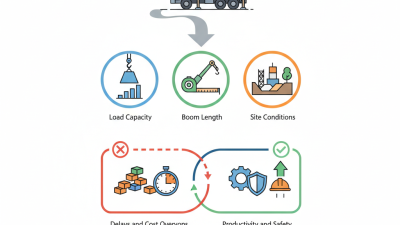
Choosing a crane truck starts with the lift, not the truck’s headline capacity. Confirm the load’s weight, dimensions, pickup point, and placement height. Then check the load chart at the required working radius. A truck rated for a heavy lift close to its body may handle much less farther out. A pallet set six metres from the truck can change the calculation significantly. Small details matter.

Match the chassis and crane to the places you actually work. Check overall height, turning space, axle capacity, and ground conditions. Outriggers need firm, level support and enough room to deploy. Space is tight. A large crane may offer reach but make narrow streets or crowded yards harder to navigate. A smaller setup can be a better fit, though it may limit future jobs.

Review boom configuration, controls, maintenance access, and operator training needs. Ask for the applicable load chart and confirm the truck can perform your planned lifts within its stated limits. Consider how often the crane will be used, too; added capacity can mean extra cost and vehicle weight. A common mistake is choosing by maximum reach alone. It sounds sensible, but reach without the required lifting capacity is not useful. Recheck measurements before purchase, especially when loads or work sites vary.