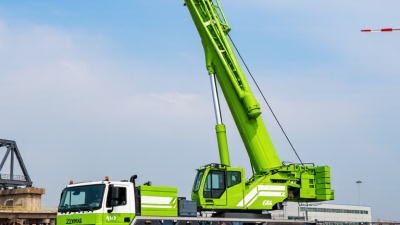
Choosing a hydraulic truck crane is not just a matter of comparing lifting capacities. Buyers also need to consider where the machine will work, how often it will travel, and what support is available after delivery. A crane lifting steel beside a crowded warehouse faces different demands from one working on an open construction site. Small details matter. Setup space, road access, boom reach, and ground conditions can all affect whether a model suits the job.
This guide introduces ten hydraulic truck crane manufacturers for buyers seeking a practical starting point. It highlights factors worth checking across product ranges, including rated capacity, configuration options, operator visibility, parts availability, and dealer service. Specifications should be read carefully: capacity can vary with boom length, load radius, and setup conditions. A headline figure alone tells only part of the story. Manufacturer information can help narrow the field, but buyers should verify current specifications and service coverage directly before making a purchase. That step takes time. It can also prevent costly surprises.
The right choice depends on the work, not just the brand name. Some buyers may prioritize transport flexibility; others may need longer reach or dependable local maintenance. No shortlist can settle every site-specific question. Use this overview to compare manufacturers, identify useful questions, and build a more informed purchasing decision.
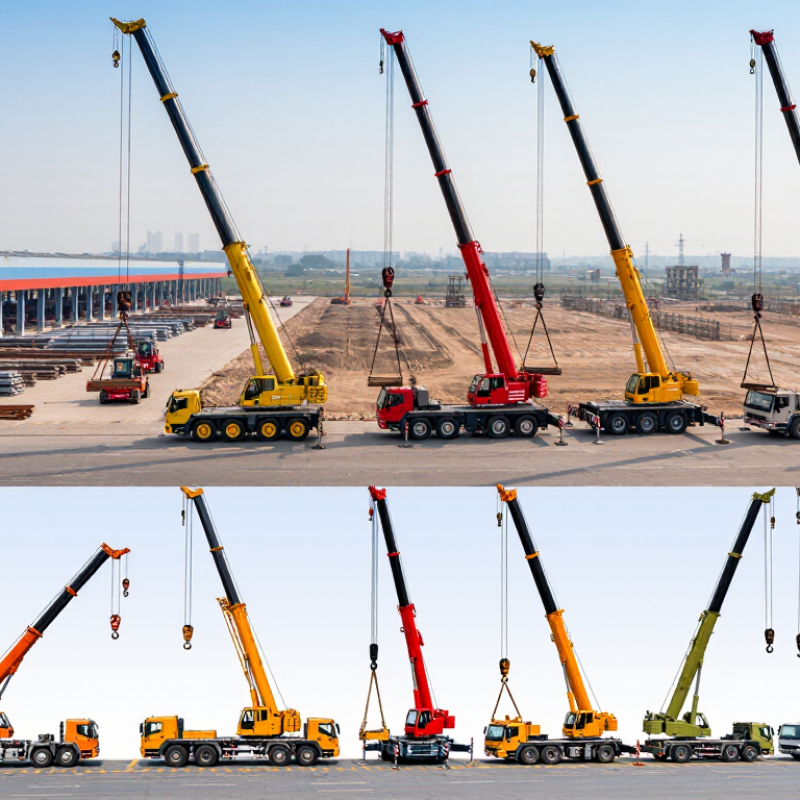
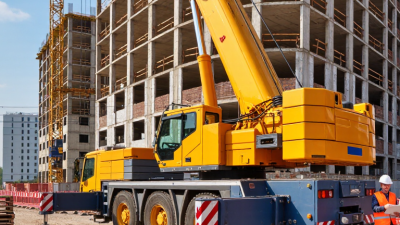
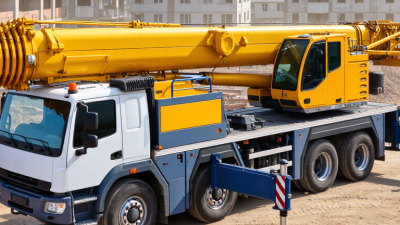
Hydraulic truck cranes combine a road-going carrier with a rotating crane and telescopic boom. Hydraulic cylinders extend the boom and control lifting movements, while stabilizers help support the vehicle during work. Their mobility makes them useful when equipment must move between sites without a separate transport vehicle. They commonly handle steel beams, HVAC units, utility poles, and construction materials. On a crowded job site, a crane may unload a pallet beside a building, then reposition for another lift. Conditions matter. Soft ground, overhead obstacles, and limited setup space can change what is practical.
It is easy to focus only on maximum lifting capacity. That can be misleading. A crane’s usable capacity depends on boom length, working radius, stabilizer position, and the load’s weight. Operators use the load chart and site conditions to plan each lift; estimates should not replace those checks. Hydraulic systems allow controlled movements, but careful setup and clear communication remain essential. A rushed setup can turn a routine lift into a difficult one.
Tips: Check the load chart for the exact configuration, and confirm the ground can support the stabilizers. Leave room for the boom to swing. Keep the load path clear, and use a spotter when visibility is limited. Small details count. If access is tight, measure the entry route and setup area before the crane arrives. A little extra planning often saves time, though it cannot fix every site constraint.
Buyer’s application guide: The capacity ranges below are broad, indicative ranges for commonly available crane configurations—not rankings or specifications for individual manufacturers. Rated capacity depends on boom length, working radius, counterweight, outrigger setup, and the manufacturer’s load chart.
| Application | Common Crane Configuration | Indicative Rated Capacity Range | Typical Work | Key Buying Consideration |
|---|---|---|---|---|
| Urban building construction | Hydraulic truck crane or boom truck | Approximately 20–100 tonnes | Lifting steel, formwork, and building materials on sites with limited access | Check transport dimensions, setup space, outrigger footprint, and lift capacity at the required radius. |
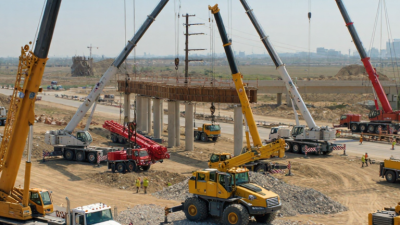
| Bridge and highway construction | Heavy hydraulic truck crane or all-terrain crane | Approximately 50–300 tonnes | Placing girders, deck sections, barriers, and construction equipment | Review load charts for the planned working radius and confirm road access and ground bearing conditions. |
| Precast concrete installation | Hydraulic truck crane or all-terrain crane | Approximately 50–300 tonnes | Setting wall panels, beams, columns, and other precast elements | Allow for the load’s weight, lifting accessories, placement tolerance, and any restrictions on setup locations. |
| Utility pole and line work | Boom truck or compact hydraulic truck crane | Approximately 10–50 tonnes | Handling poles, transformers, and utility equipment along roads or in work zones | Consider reach, vehicle maneuverability, work-zone setup, and any required insulated aerial equipment. |
| Rooftop HVAC and mechanical installation | Boom truck or hydraulic truck crane | Approximately 20–100 tonnes | Lifting air-conditioning units, generators, and mechanical packages onto roofs | Prioritize reach over the building, allowable setup positions, and capacity at the actual pick-and-place radius. |
| Industrial plant equipment setting | Heavy hydraulic truck crane or all-terrain crane | Approximately 50–500 tonnes | Installing pumps, compressors, vessels, and production-line machinery | Confirm lift-plan requirements, access through the facility, headroom, and ground or floor loading limits. |
| Wind farm component handling | Large all-terrain or heavy hydraulic truck crane, often as an auxiliary crane | Approximately 100–600+ tonnes, depending on the lift | Assisting with component handling, site preparation, and selected installation tasks | Major turbine lifts often require specialized heavy-lift equipment; verify the engineered lift plan and site conditions. |
| Railway construction and maintenance | Hydraulic truck crane or purpose-configured rail crane | Approximately 20–100 tonnes | Handling track equipment, maintenance machinery, and materials beside rail corridors | Check rail access and operating approvals; an ordinary road crane is not automatically suitable for track work. |
| Machinery loading and relocation | Boom truck or hydraulic truck crane | Approximately 10–100 tonnes | Loading, unloading, and repositioning equipment at factories, depots, and construction sites | Compare lifting capacity with the load’s center of gravity, truck positioning, and available loading access. |
| Remote-site construction and maintenance | Hydraulic truck crane or all-terrain crane | Approximately 30–150 tonnes | Lifting materials and equipment at infrastructure, energy, and industrial sites | Evaluate travel routes, gradeability, tire and axle limits, ground preparation, and local service support. |