Top Heavy Machinery Crane Types for Buyers in 2026?

Choosing a heavy machinery crane in 2026 means matching the lift to the site, not chasing the biggest capacity figure. A crawler crane may suit soft ground and long-duration work; a rough-terrain crane can handle compact, uneven sites. Tower cranes serve tall construction projects, while all-terrain models offer road mobility between jobs. Each choice changes setup time, transport needs, ground pressure, and operating cost. Small details matter. A narrow gate can rule out a machine before its lifting chart does.

Market reports provide useful context, but they cannot choose a crane for a specific job. KHL Group’s Yellow Table tracks sales among major construction equipment manufacturers, offering a view of industry scale and supplier presence. Association of Equipment Manufacturers (AEM) market reports track construction equipment shipment trends in North America. Buyers can use these sources to frame questions about availability and market direction, then verify local dealer support, parts access, and service response directly. That last step is easy to underestimate.

This guide compares leading crane types by lift capacity, mobility, setup demands, and typical applications. It also considers operator visibility, transport logistics, and total ownership costs. These are practical checks, not a substitute for reviewing load charts and site conditions with qualified personnel. Even careful estimates can miss something. A rushed decision may look efficient on paper, yet perform poorly once the crane reaches the site.

Top Heavy Machinery Crane Types for Buyers in 2026?

How Heavy Machinery Cranes Are Classified

How Heavy Machinery Cranes Are Classified

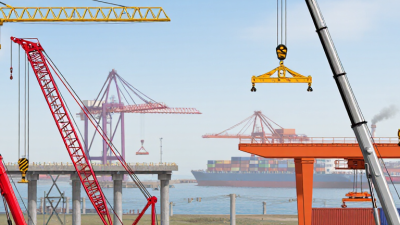
Heavy machinery cranes are commonly classified by mobility, structure, and lifting mechanism. Mobile cranes include truck-mounted and rough-terrain models, which travel between work areas, and crawler cranes, which move on tracks. Fixed cranes include tower cranes for tall construction sites and overhead cranes for controlled lifting inside factories.

The categories matter. A tracked crane can cross soft ground, but its transport and setup needs differ from a truck-mounted unit. Buyers should compare site access, ground bearing capacity, required reach, and load charts—not just headline lifting capacity.

Grand View Research’s 2024 crane-market report estimated the global market at USD 42.6 billion in 2023, with growth projected through 2030. That market figure covers varied crane products; it does not mean every type suits every job.

KHL’s 2024 Yellow Table reported USD 243.4 billion in combined revenue for the 50 largest construction equipment manufacturers in 2023, providing wider industry context. Neither figure replaces project-specific engineering review.

One wrinkle: a crane’s class label can hide major differences in configuration and operating limits. Check the load chart.

A careful buyer should verify lift radius, counterweight setup, ground conditions, and transport dimensions with a qualified crane professional.
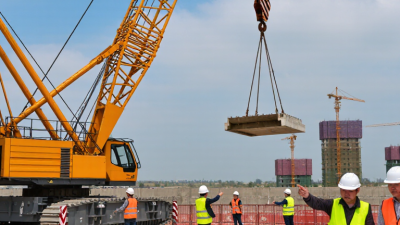
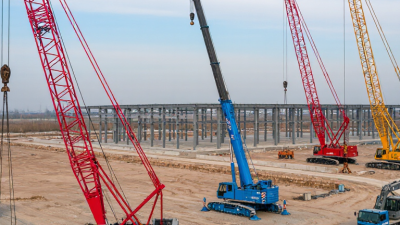
Mobile Crane Types and Their Typical Applications

Mobile cranes bring lifting capacity to changing work sites, but each type suits a different surface and travel plan. Truck-mounted cranes travel on public roads between jobs and can be ready quickly for short lifts. They often suit utility repairs, roadside maintenance, and deliveries where setup space is limited. That convenience has limits: reach and capacity depend on the specific load chart and setup.

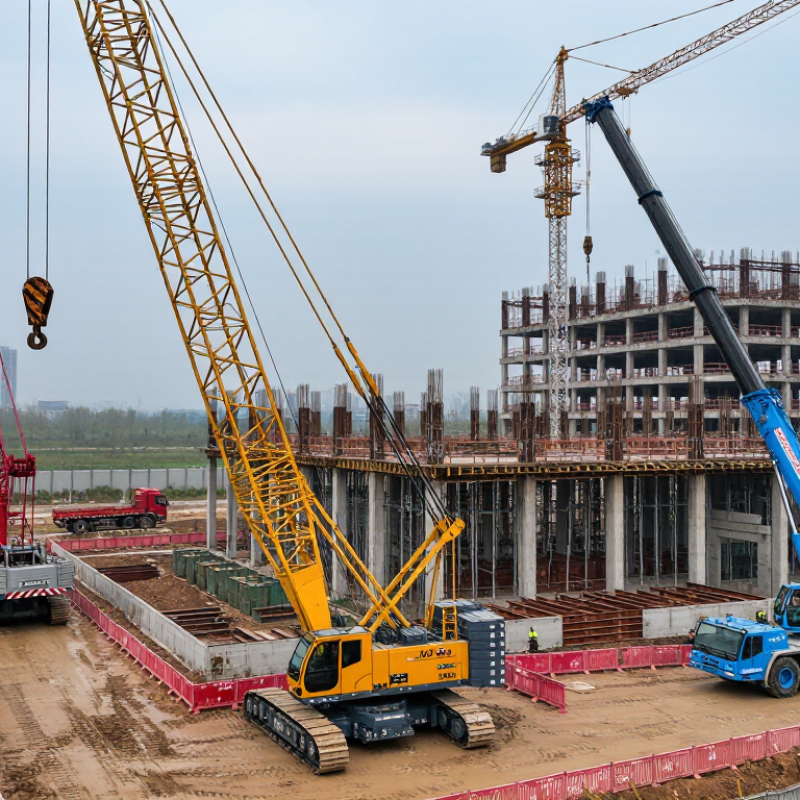
Rough-terrain cranes use large tires and are designed for uneven, unpaved ground. They are common on construction sites where a compact machine must move between nearby lifting points. All-terrain cranes combine road travel with off-road capability, making them useful for infrastructure projects and larger lifts across multiple sites. Crawler cranes move on tracks and can handle heavy loads on prepared ground, though transporting and assembling them takes more planning. Not every “mobile” crane moves easily.

The right choice starts with the actual lift: load weight, radius, height, ground strength, and access route. Check the crane’s load chart for the planned configuration, not just its headline capacity. Outriggers need firm, level support; soft ground can change the plan fast. Setup matters. A practical detail buyers sometimes overlook is room for the boom and counterweight to swing. A site visit can reveal constraints that drawings miss, though even that may not capture changing weather or ground conditions.

Tower, Crawler, and Overhead Cranes Compared

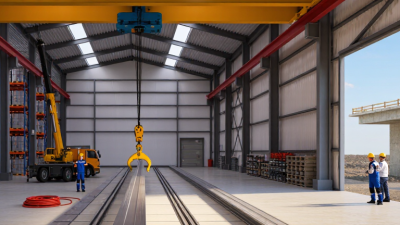
Tower cranes suit dense urban sites where a fixed mast can serve several floors. Their long jibs move loads over buildings, but setup needs space, ground preparation, and careful planning around the swing radius. Crawler cranes travel on tracks and handle heavy lifts across rough, changing terrain. They can be useful for bridge work or large industrial sites, though moving them between projects takes time. Overhead cranes run on elevated rails inside factories and warehouses. They keep floor space clear, but only work where the building structure and runway system can support them. No crane fits every job.

Compare the lift plan, not just the maximum capacity. A crawler’s track pressure matters on soft ground; a tower crane’s reach matters when materials must pass over obstacles. Overhead cranes may offer precise, repeatable movement along a fixed path. OSHA’s 2010 Cranes and Derricks in Construction rulemaking analysis projected that the rule would prevent 22 fatalities and 175 injuries annually in U.S. construction. That estimate is a reminder: access, setup, and operator coordination matter alongside machine choice. I’d still want a site-specific lift plan before treating any comparison table as decisive.

How to Match Crane Capacity and Design to a Jobsite

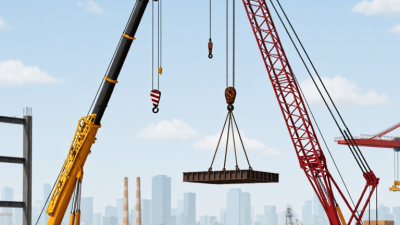
A crane’s rated capacity is not the load it can lift at every reach. Check the load chart for the planned boom length, working radius, and support setup. Include the hook block, slings, and lifting beam in the total load. Then compare that figure with the chart’s allowable capacity. Small margins matter. Crane design should fit the job: tracked cranes spread weight across their tracks, while mobile cranes can suit jobs requiring frequent relocation. Tower cranes may work well where height and repeated lifts are central needs.

Tips: Measure the actual lift radius, not just the distance from the crane to the building. Confirm overhead clearance, access roads, and ground bearing conditions before choosing a machine. Outriggers need firm, level support; mats may help, but they do not fix every ground problem.

Walk the site with the lift plan in hand. A narrow entrance can rule out a crane that looks ideal on paper. Check the heaviest load, the highest pick, and the most obstructed lift separately. They may call for different configurations. Keep the operator’s view and communication with the lifting crew in mind, too. A tidy calculation can still miss a site detail, so verify measurements and assumptions before mobilization.

Key Safety, Compliance, and Cost Factors for 2026 Buyers

In 2026, choose a crane around the lift, site access, and ground conditions—not rated capacity alone. Mobile cranes suit varied jobs and quick setup; crawler cranes offer stability on soft ground but need transport planning. Tower cranes fit long-duration, high-rise work, while rough-terrain models handle uneven sites. The right type depends on the lift plan.

Safety figures deserve attention. The U.S. Bureau of Labor Statistics recorded 1,075 fatal work injuries in construction in 2023. A peer-reviewed analysis of U.S. occupational data counted 297 crane-related deaths from 2003 to 2017. These figures are not a forecast for any one project, but they underline the need to check load charts, wind limits, ground-bearing capacity, operator qualifications, and inspection records. In the United States, buyers should verify applicable OSHA requirements, including 29 CFR 1926 Subpart CC; requirements vary by location. The margin matters.

Compare total ownership cost, not just purchase price. Include transport, setup, permits, outrigger mats, fuel, scheduled maintenance, and operator availability. Ask for service intervals and parts lead times in writing, then compare them against expected utilization. A low-cost crane can become expensive if it sits idle or needs frequent mobilization. Cost estimates also miss things. Recheck the assumptions against the actual site plan before committing.